

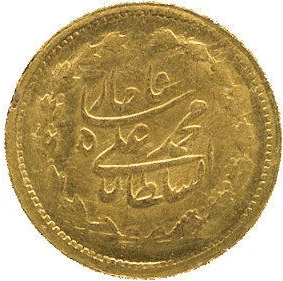
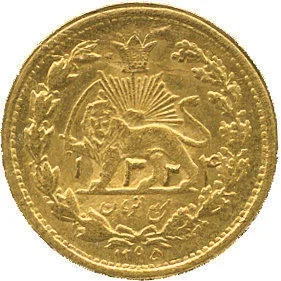
¼ Toman – Iran
Iran
Context
Year: 1906
Islamic (Hijri) Year: 1324
Issuer: Iran 
Ruler: Mohammad Ali Shah
Currency:
(1825—1932)
Demonetized: Yes
Material
References
Numista: #174293
Value
Bullion value: $84.17
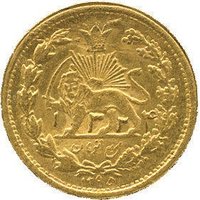
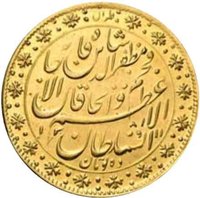
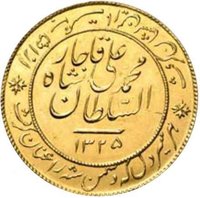
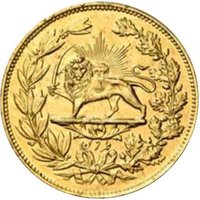
Obverse
Inscription:
السلطان محمدعلی شاه قاجار
Translation:
The Sultan Muhammad Ali Shah Qajar
Language: Arabic
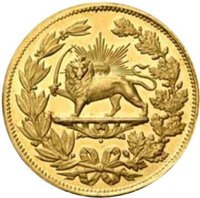
Reverse
Edge
Mintings
| Year | Mint Mark | Mintage | Quality | Collection |
|---|---|---|---|---|
| 1906 | — | — |
Historical background
In 1906, Iran’s currency situation was a complex and destabilizing factor within the broader context of the Constitutional Revolution. The monetary system was chaotic, characterized by a severe shortage of specie and a proliferation of depreciated, often counterfeit, copper and silver coins. The primary unit, the silver qiran, had no fixed relationship to the gold toman, and its value fluctuated wildly between provinces and even cities, as local rulers and money-chchers (sarrafs) held significant control over minting and exchange rates. This fragmentation crippled internal trade and facilitated rampant speculation.
The root causes of this disorder were deeply entrenched. Decades of Qajar fiscal mismanagement, including the sale of concessions to foreign powers to cover state debts and the extravagant expenditures of the court, had drained the treasury. Crucially, the government had lost control of its currency to foreign interests; in 1890, a British subject, Major (later Sir) Gerald Talbot, had been granted a total monopoly over the production of Iran’s copper coinage (pūls), leading to unchecked issuance and severe inflation that devastated the poor. This, coupled with heavy borrowing from Russia and Britain, had made the state financially dependent and its currency vulnerable to external manipulation.
Thus, in 1906, the call for monetary reform was a central grievance fueling the revolutionary movement. The first Majlis (parliament), established as a result of the revolution that very year, immediately identified currency reform as a critical priority. Deputies recognized that establishing a unified, national currency managed by a state bank was essential not only for economic stability but also as a fundamental act of sovereignty, necessary to break free from foreign financial control and the internal corruption that plagued the Qajar fiscal system. The currency crisis was, therefore, both a symptom of state decay and a direct catalyst for constitutional change.
The root causes of this disorder were deeply entrenched. Decades of Qajar fiscal mismanagement, including the sale of concessions to foreign powers to cover state debts and the extravagant expenditures of the court, had drained the treasury. Crucially, the government had lost control of its currency to foreign interests; in 1890, a British subject, Major (later Sir) Gerald Talbot, had been granted a total monopoly over the production of Iran’s copper coinage (pūls), leading to unchecked issuance and severe inflation that devastated the poor. This, coupled with heavy borrowing from Russia and Britain, had made the state financially dependent and its currency vulnerable to external manipulation.
Thus, in 1906, the call for monetary reform was a central grievance fueling the revolutionary movement. The first Majlis (parliament), established as a result of the revolution that very year, immediately identified currency reform as a critical priority. Deputies recognized that establishing a unified, national currency managed by a state bank was essential not only for economic stability but also as a fundamental act of sovereignty, necessary to break free from foreign financial control and the internal corruption that plagued the Qajar fiscal system. The currency crisis was, therefore, both a symptom of state decay and a direct catalyst for constitutional change.
✨ Legendary