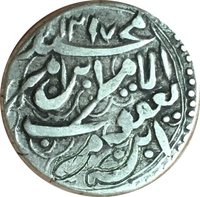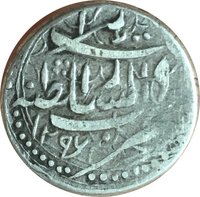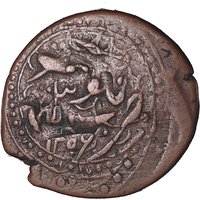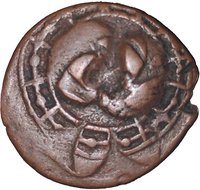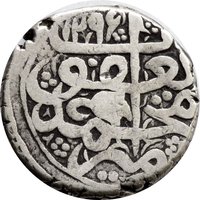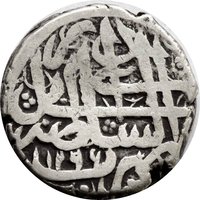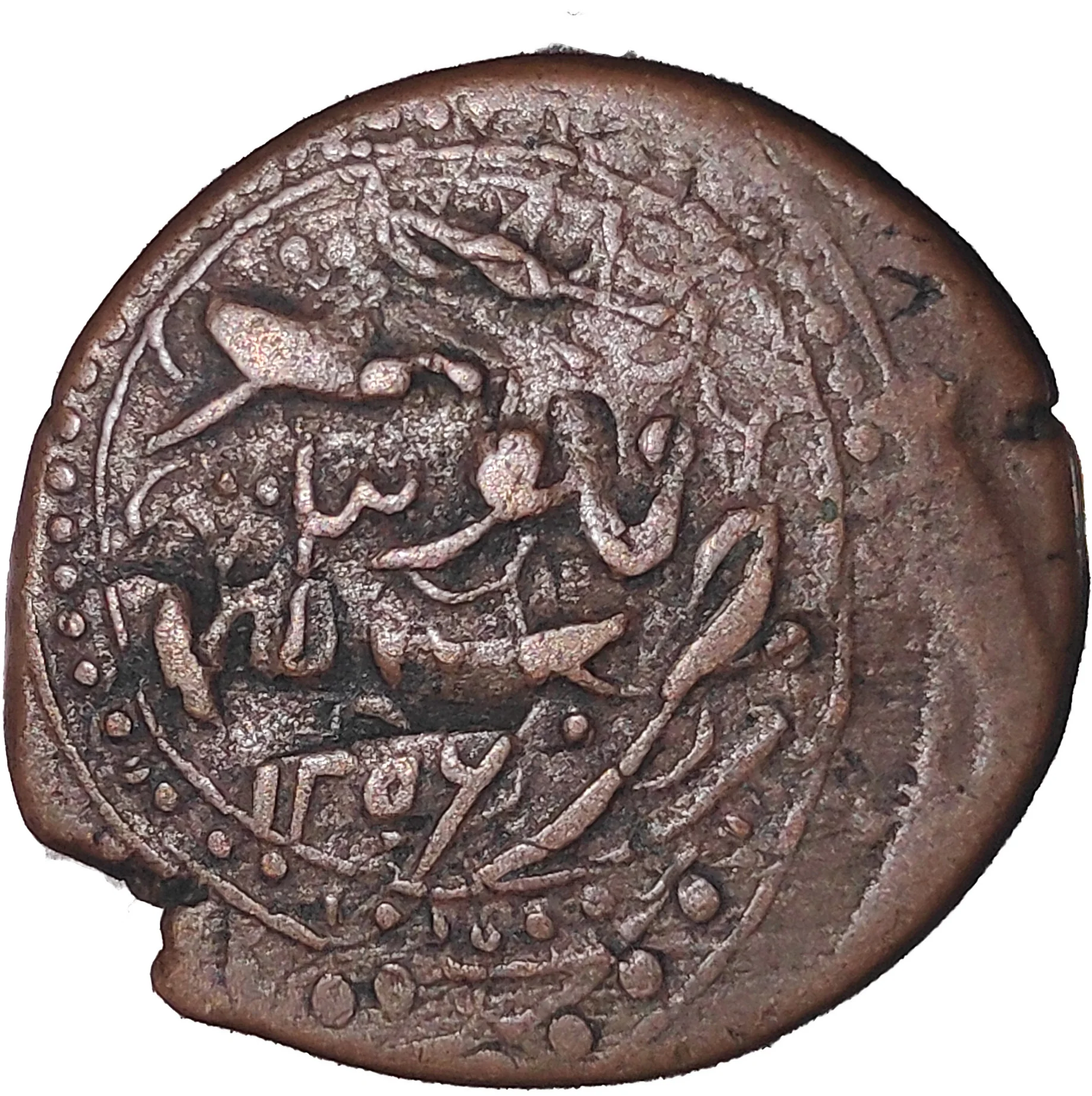
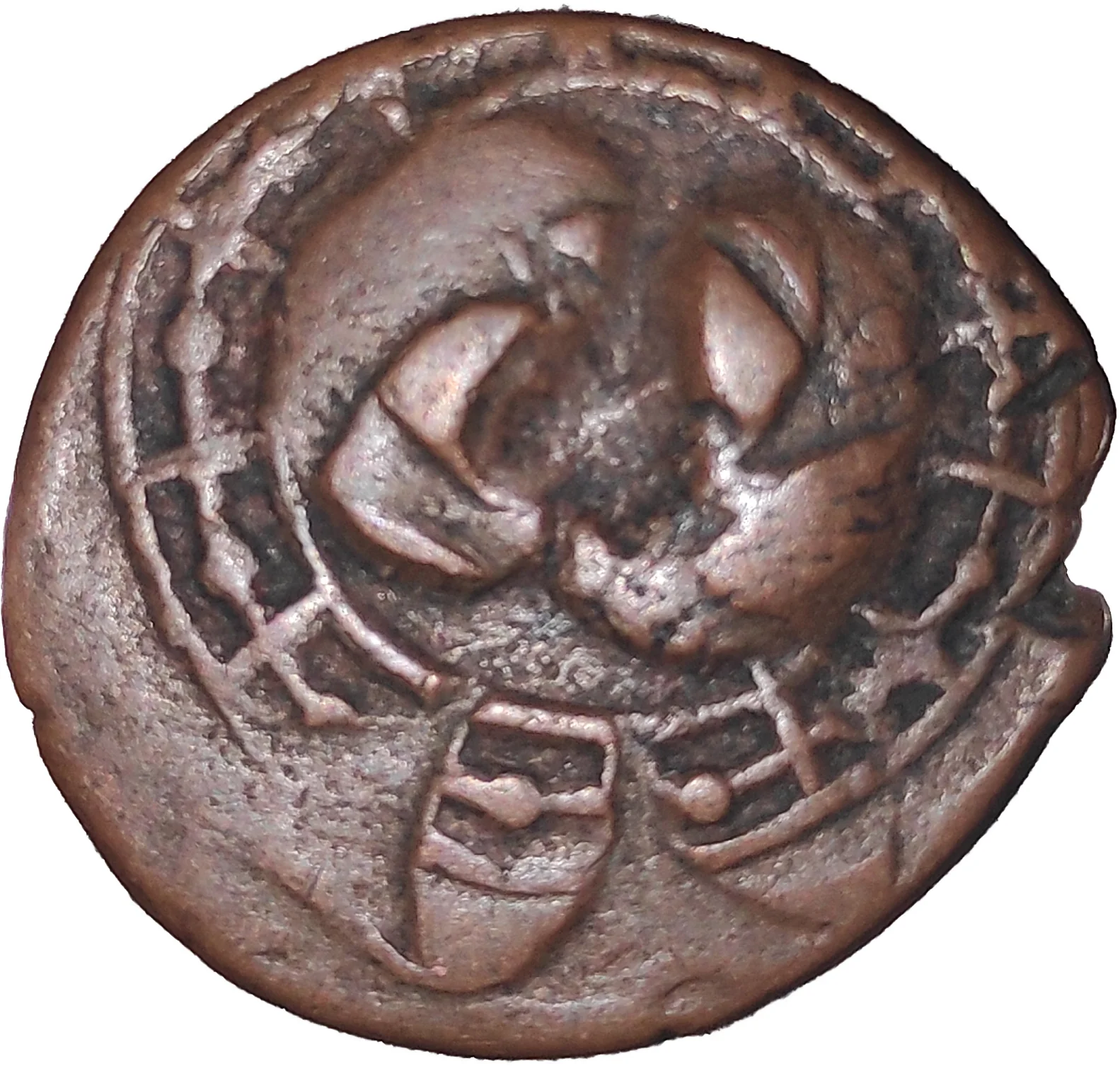
In 1879, the currency situation in the Emirate of Afghanistan was one of profound instability and transition, directly mirroring the political chaos of the Second Anglo-Afghan War. Following the assassination of the British envoy in Kabul and the ensuing British military occupation, the Afghan state's fiscal authority was fragmented. The British occupation authorities in Kabul issued their own rupee coins, often overstriking existing Afghan coins or minting new ones, to pay troops and control the local economy. This created a dual monetary system where British-issued rupees circulated alongside the existing coinage of the deposed Amir Sher Ali Khan and the various regional mints.
The fundamental problem was a lack of standardized, trusted currency. Pre-war, Sher Ali had begun monetary reforms, but the war shattered this progress. Coins varied in weight, purity, and legitimacy depending on their origin—whether from the main Kabul mint under British control, from Herat under Sher Ali's son Ayub Khan, or from other regional strongholds. Counterfeiting was rampant, and the value of coinage fluctuated wildly based on political and military fortunes, severely disrupting trade and eroding public confidence in the currency as a store of value.
This monetary disarray was only resolved with the consolidation of power by Amir Abdur Rahman Khan, who was installed as emir by the British in 1880. Making monetary unification a key priority of his centralization campaign, he systematically suppressed regional mints and re-established a single, authoritative currency issued from Kabul. Thus, the crisis of 1879 proved to be a catalyst for the creation of a modern, unified monetary system that would underpin the Afghan state for decades to come.