

1 Dollar – Cook Islands
Context
Material
Diameter: 38.8 mm
Weight: 25.9 g
Shape: Round
Composition: Copper-nickel
Alignment: Medal alignment
flip
References
KM: #Click to copy to clipboard1096
Numista: #171829
Value
Exchange value: 1 NZD = $0.60
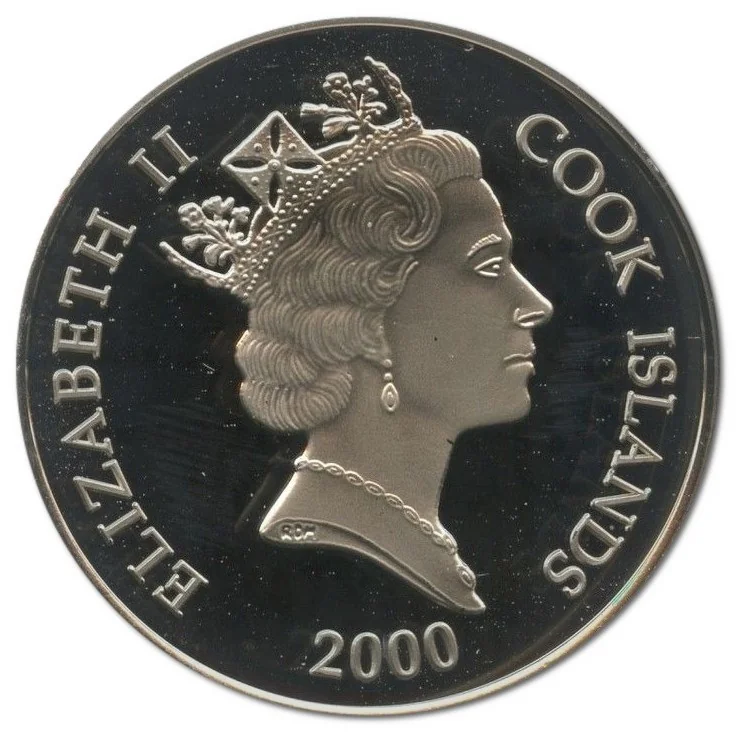
Obverse
Description:
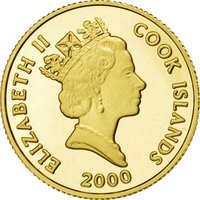
Queen Elizabeth II's effigy
Inscription:
ELIZABETH II COOK ISLANDS
RDM
2000
RDM
2000
Translation:
ELIZABETH II COOK ISLANDS
RDM
2000
RDM
2000
Script: Latin
Language: English
Engraver: Raphael David Maklouf
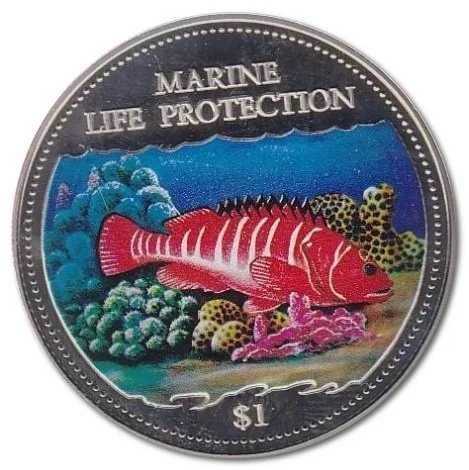
Reverse
Edge
Reeded
Mintings
| Year | Mint Mark | Mintage | Quality | Collection |
|---|---|---|---|---|
| 2000 | — | 5,000 | Proof |
Historical background
In the year 2000, the currency situation in the Cook Islands was defined by its continued use of the New Zealand dollar (NZD) as its official legal tender. This arrangement, established in the 1970s after the territory moved away from the Cook Islands dollar, provided significant monetary stability. By pegging its economy directly to a major, well-managed currency, the Cook Islands benefited from low inflation and eliminated exchange rate risk with its largest trading and tourism partner. This was particularly crucial for the nation's tourism-dependent economy, as it simplified financial transactions for the majority of visitors arriving from New Zealand and Australia.
However, this system also meant the Cook Islands had no independent monetary policy. The Reserve Bank of New Zealand made decisions based on New Zealand's economic conditions, which did not always align with the specific needs of the smaller Cook Islands economy. Furthermore, while New Zealand dollar banknotes circulated, the government did issue its own distinct coinage (Cook Islands dollars and cents), which were legal tender only domestically and traded at par with their NZD equivalents. This created a unique two-coin system where local coins were used for everyday change, but New Zealand coins also circulated freely.
The period around 2000 followed a decade of significant economic reform and recovery from a severe debt crisis in the mid-1990s. The government's fiscal position was stabilizing under a program of austerity and asset sales. The fixed currency link to the NZD was a cornerstone of this stability, providing a credible anchor that supported rebuilding foreign reserves and investor confidence. There was no serious public debate about abandoning the NZD, as the perceived benefits of stability and integration far outweighed the drawbacks of ceding monetary sovereignty for the small island nation.
However, this system also meant the Cook Islands had no independent monetary policy. The Reserve Bank of New Zealand made decisions based on New Zealand's economic conditions, which did not always align with the specific needs of the smaller Cook Islands economy. Furthermore, while New Zealand dollar banknotes circulated, the government did issue its own distinct coinage (Cook Islands dollars and cents), which were legal tender only domestically and traded at par with their NZD equivalents. This created a unique two-coin system where local coins were used for everyday change, but New Zealand coins also circulated freely.
The period around 2000 followed a decade of significant economic reform and recovery from a severe debt crisis in the mid-1990s. The government's fiscal position was stabilizing under a program of austerity and asset sales. The fixed currency link to the NZD was a cornerstone of this stability, providing a credible anchor that supported rebuilding foreign reserves and investor confidence. There was no serious public debate about abandoning the NZD, as the perceived benefits of stability and integration far outweighed the drawbacks of ceding monetary sovereignty for the small island nation.
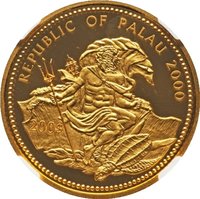
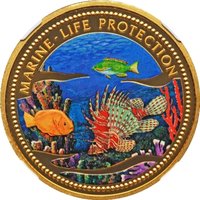
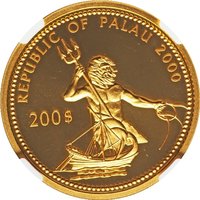
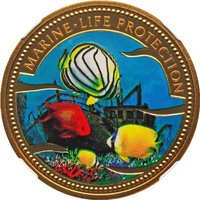
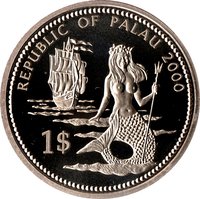
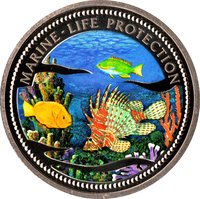
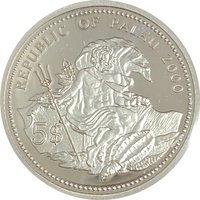
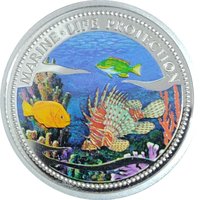
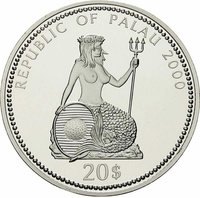
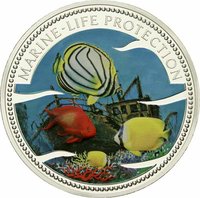
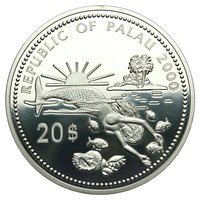
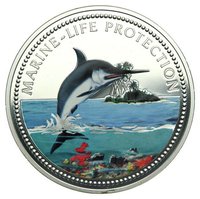
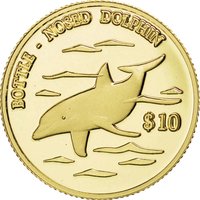
Series: Marine Life Protection
✨ Legendary