

50 toea (Bank of Papua New Guinea) – Papua New Guinea
Add to wishlist
Circulating commemorative coins
Commemoration: 35th Anniversary of the Bank of Papua New Guinea
Papua New Guinea
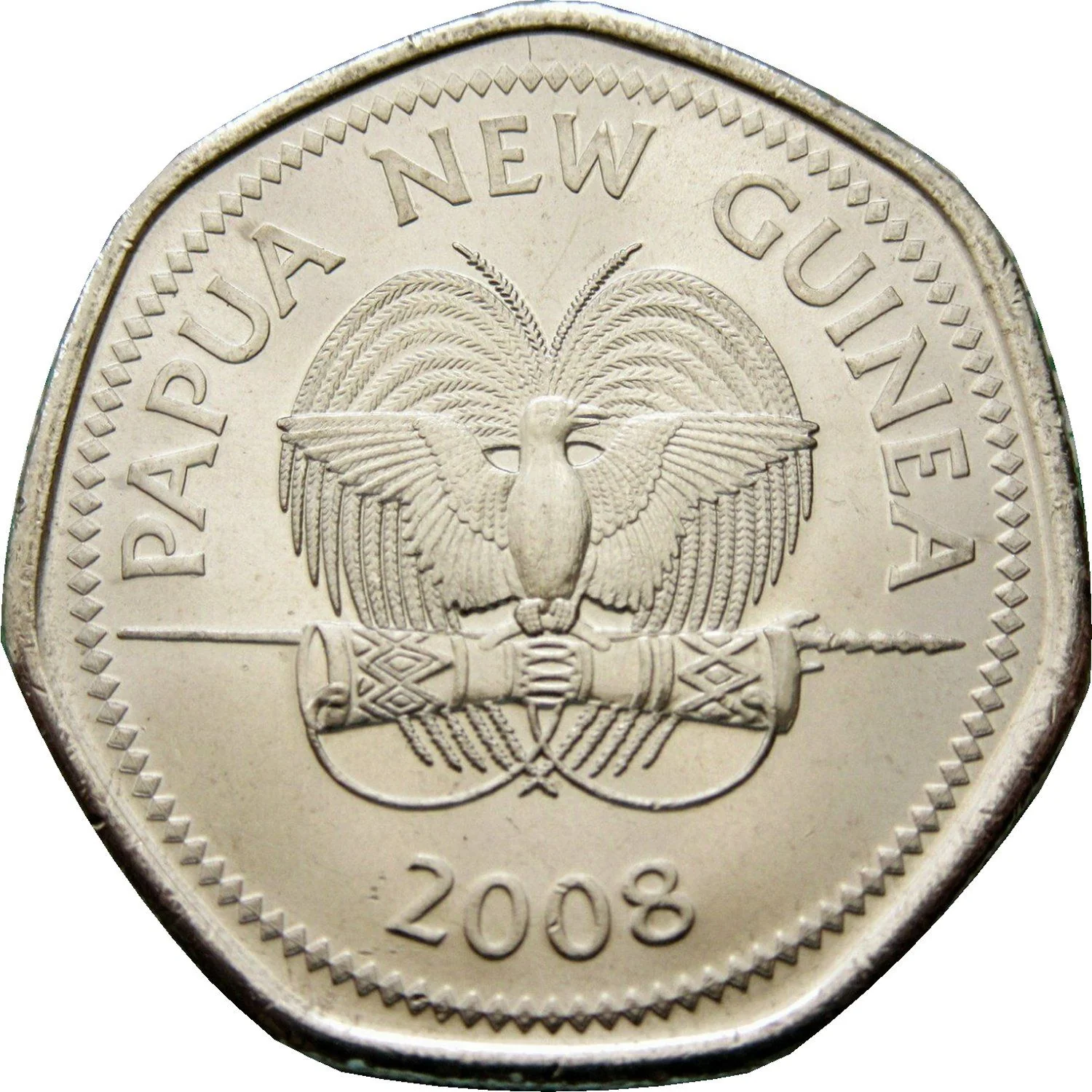
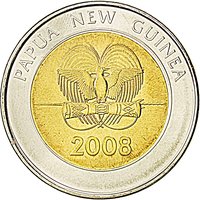
Obverse
Description:
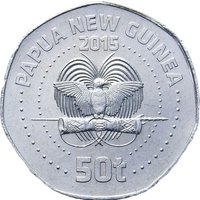
A bird-of-paradise above a spear and kundu drum.
Inscription:
PAPUA NEW GUINEA
2008
2008
Script: Latin
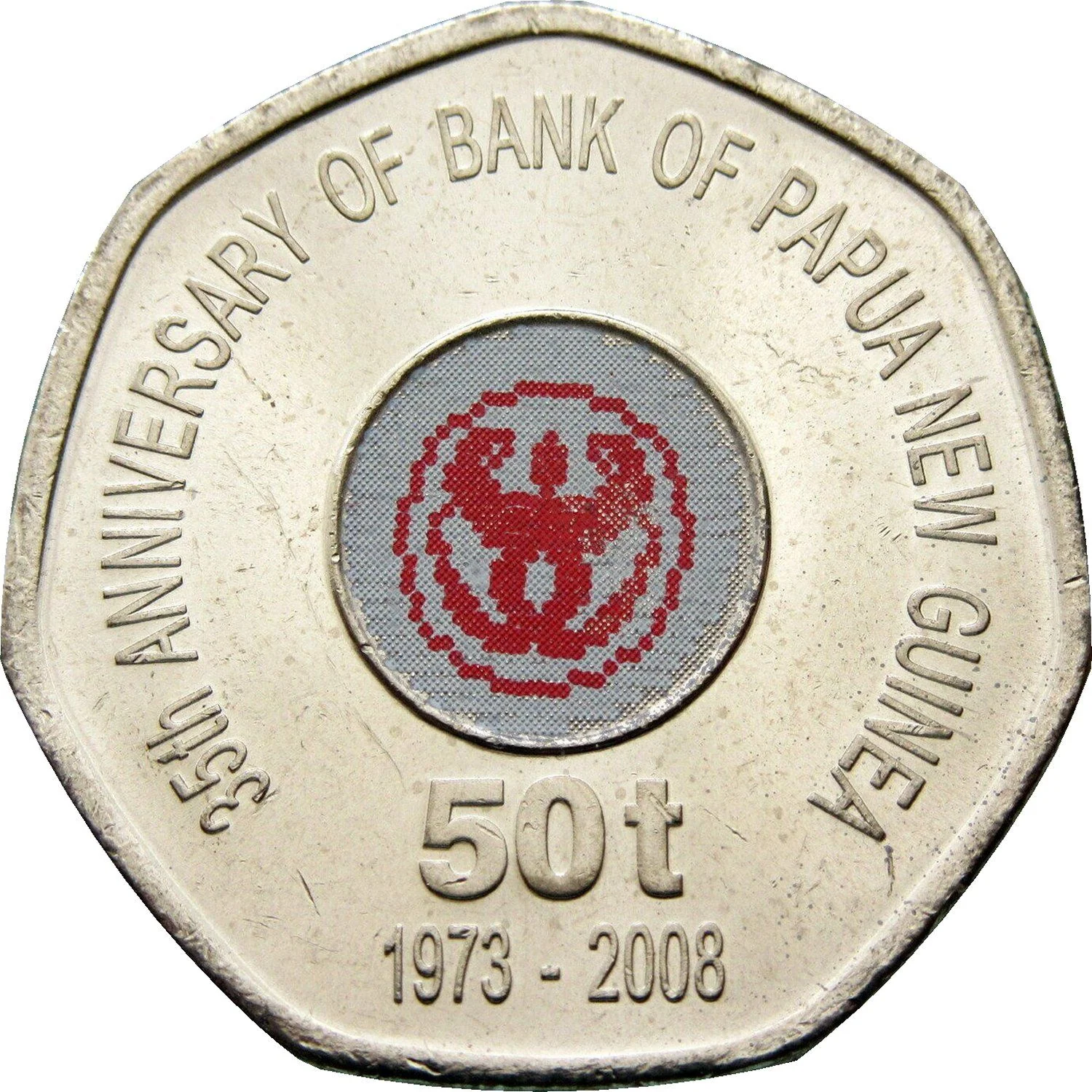
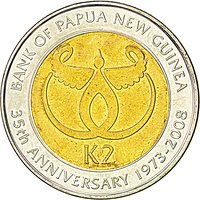
Reverse
Description:
Colored central logo applique.
Inscription:
35th ANNIVERSARY OF BANK OF PAPUA NEW GUINEA
50t
1973 - 2008
50t
1973 - 2008
Script: Latin
Edge
Plain
Categories
| Animal> Bird |
| Art> Music |
| Symbols> Coat of Arms |
| Object> Cold weapons |
Mints
| Name | Mark |
|---|---|
| Royal Canadian Mint of Winnipeg | — |
Mintings
| Year | Mint Mark | Mintage | Quality | Collection |
|---|---|---|---|---|
| 2008 | — | — |
Historical background
In 2008, Papua New Guinea's currency, the kina (PGK), faced significant pressure, primarily driven by a sharp decline in global commodity prices in the latter half of the year. The economy was highly dependent on mineral and hydrocarbon exports, with high prices earlier in the year contributing to strong foreign exchange inflows and a period of relative stability. However, the onset of the Global Financial Crisis triggered a collapse in prices for key exports like copper, gold, and oil, drastically reducing the nation's export earnings and straining the foreign exchange reserves held by the Bank of Papua New Guinea (BPNG).
This external shock exposed underlying structural weaknesses in the country's foreign exchange market. A persistent imbalance existed, with demand for foreign currency (especially Australian and US dollars) from importers and investors consistently outstripping supply. The central bank managed a de facto peg, intervening to maintain the kina within a band, but this became unsustainable as reserves dwindled. Consequently, a significant backlog of unmet foreign currency orders developed within the commercial banking system, crippling business operations and creating a climate of uncertainty for foreign investment.
The government and central bank faced a difficult policy dilemma. There was strong political and social resistance to a formal devaluation, as it would increase the cost of essential imports and fuel inflation. Instead, BPNG initially focused on administrative measures, including tightening foreign exchange controls and rationing US dollar allocations to prioritize critical imports. These measures, however, were widely seen as inefficient and distortive, merely managing the symptoms rather than addressing the fundamental overvaluation of the kina. The currency pressures of 2008 thus set the stage for ongoing economic challenges and debates about exchange rate policy in the years that followed.
This external shock exposed underlying structural weaknesses in the country's foreign exchange market. A persistent imbalance existed, with demand for foreign currency (especially Australian and US dollars) from importers and investors consistently outstripping supply. The central bank managed a de facto peg, intervening to maintain the kina within a band, but this became unsustainable as reserves dwindled. Consequently, a significant backlog of unmet foreign currency orders developed within the commercial banking system, crippling business operations and creating a climate of uncertainty for foreign investment.
The government and central bank faced a difficult policy dilemma. There was strong political and social resistance to a formal devaluation, as it would increase the cost of essential imports and fuel inflation. Instead, BPNG initially focused on administrative measures, including tightening foreign exchange controls and rationing US dollar allocations to prioritize critical imports. These measures, however, were widely seen as inefficient and distortive, merely managing the symptoms rather than addressing the fundamental overvaluation of the kina. The currency pressures of 2008 thus set the stage for ongoing economic challenges and debates about exchange rate policy in the years that followed.
🌱 Common