

½ paisa – India - British
Add to wishlist
India
Context
Years: 1912–1936
Country: India
Issuer: India - British
Ruler: George V
Currency:
(1770—1947)
Demonetized: Yes
Total mintage: 223,639,600
Material
References
KM: #
Numista: #16623
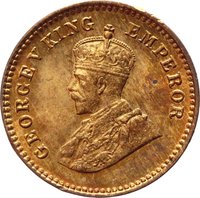
Obverse
Description:
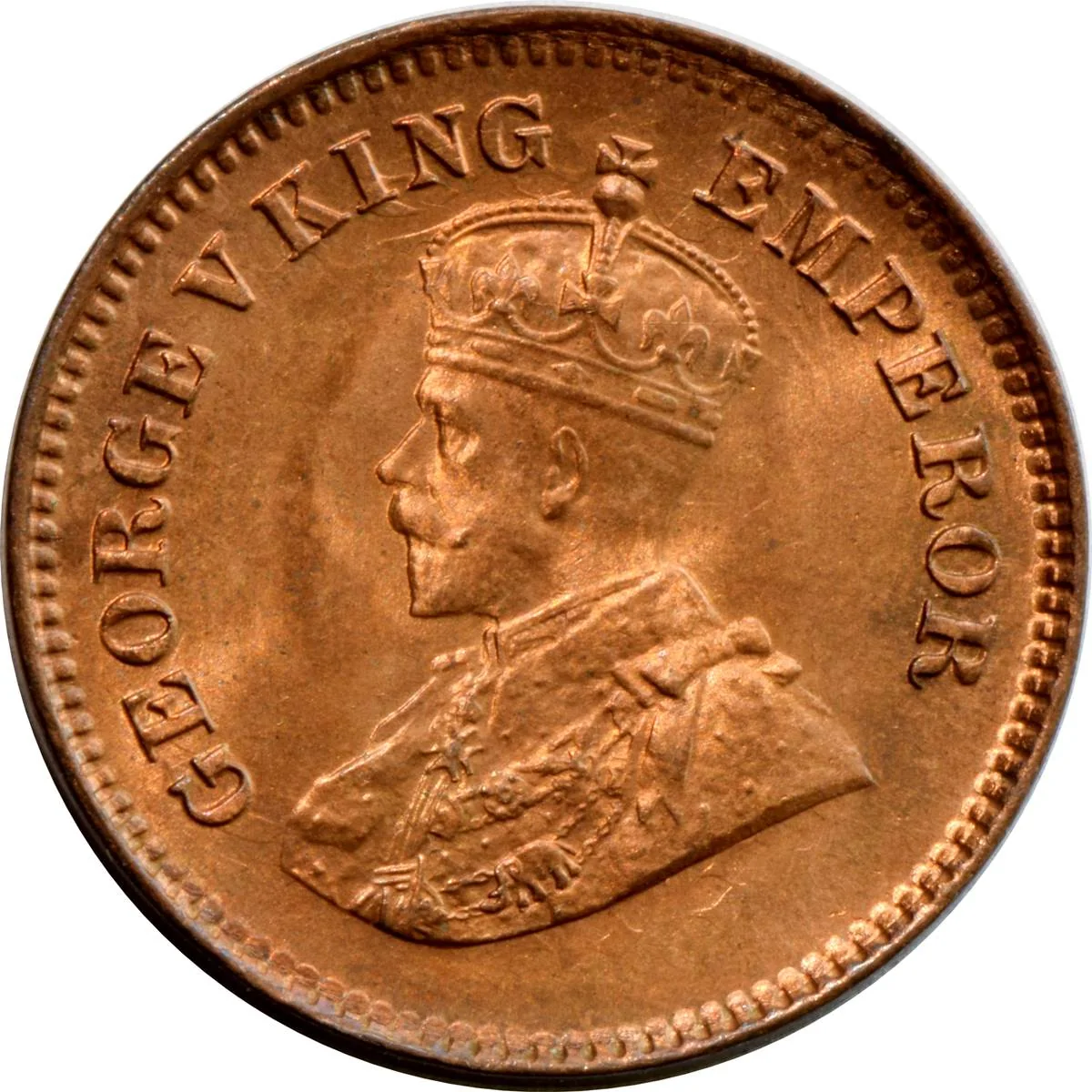
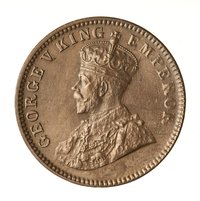
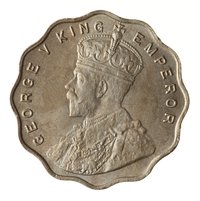
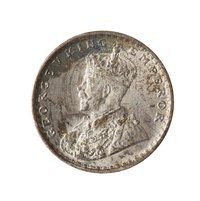
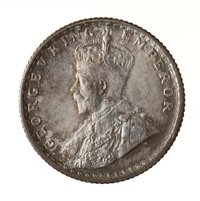
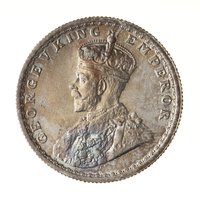
King George V left-facing portrait.
Inscription:
GEORGE V KING EMPEROR
Translation:
GEORGE V KING EMPEROR
Script: Latin
Language: English
Engraver: Edgar Bertram MacKennal
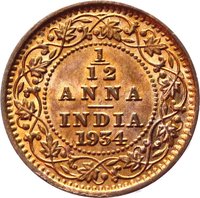
Reverse
Description:
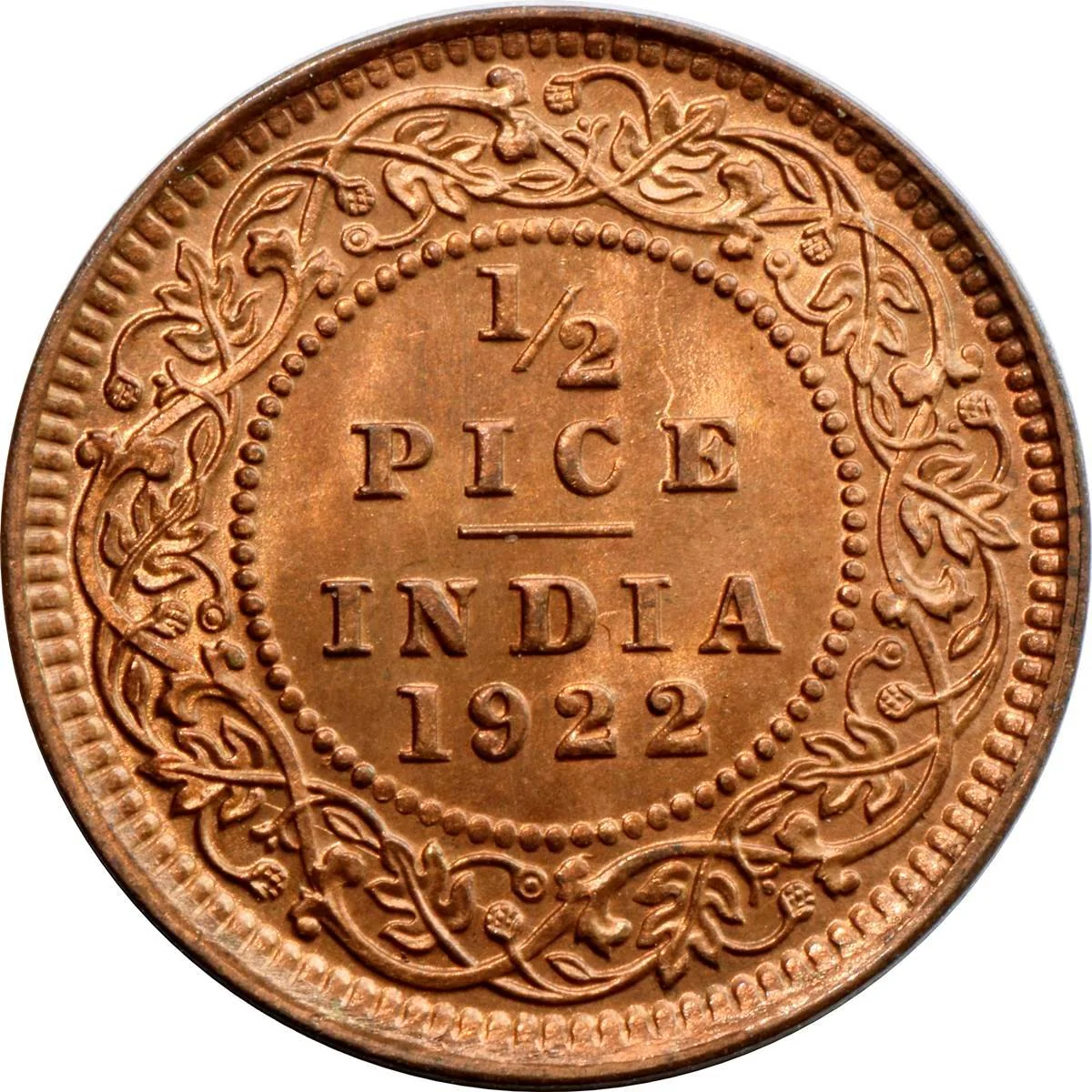
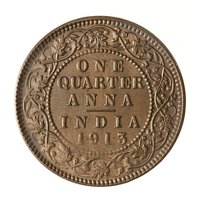
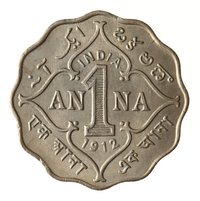
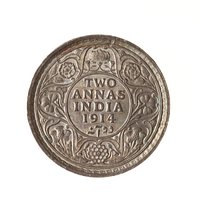
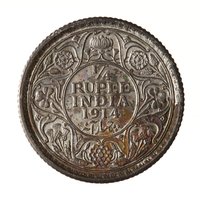
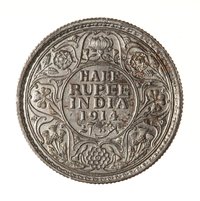
Denomination and date encircled by beads, surrounded by wreath.
Inscription:
1/2
PICE
INDIA
1922
PICE
INDIA
1922
Script: Latin
Edge
Plain
Mints
| Name | Mark |
|---|---|
| Kolkata / Calcutta / Murshidabad | — |
Mintings
| Year | Mint Mark | Mintage | Quality | Collection |
|---|---|---|---|---|
| 1912 | — | 12,911,328 | ||
| 1913 | — | 10,896,672 | ||
| 1914 | — | 4,876,800 | ||
| 1915 | — | 9,830,400 | ||
| 1916 | — | 5,734,400 | ||
| 1917 | — | 15,296,000 | ||
| 1918 | — | 6,244,800 | ||
| 1919 | — | 11,161,600 | ||
| 1920 | — | 4,492,800 | ||
| 1921 | — | 6,233,600 | ||
| 1922 | — | 6,336,000 | ||
| 1923 | — | 7,411,200 | ||
| 1924 | — | 9,523,200 | ||
| 1925 | — | 3,980,800 | ||
| 1926 | — | 7,884,800 | ||
| 1927 | — | 5,888,000 | ||
| 1928 | — | 5,452,800 | ||
| 1929 | — | 7,654,000 | ||
| 1930 | — | 7,180,800 | ||
| 1931 | — | 8,793,600 | ||
| 1932 | — | 5,440,000 | ||
| 1933 | — | 9,241,600 | ||
| 1934 | — | 8,947,200 | ||
| 1935 | — | 15,500,800 | ||
| 1936 | — | 26,726,400 |
Historical background
In 1912, India's currency system was firmly under the control of the British Raj, operating on a gold-exchange standard established by the Indian Currency Act of 1899. The official monetary unit was the Indian Rupee, which was not a sovereign currency but a fixed token, pegged to British sterling at a rate of 1 rupee = 1 shilling 4 pence (or 15 rupees to £1). This ensured a stable exchange rate with Britain, facilitating the smooth repatriation of colonial revenues, profits, and trade surpluses—a core economic objective of imperial rule. While the rupee's value was defined in terms of gold, silver rupees remained the primary physical circulating medium for the vast population.
The system was managed by the India Office in London and implemented through the Paper Currency Act of 1861, which granted a monopoly on note issue to the Government of India. Currency notes, issued in denominations as low as 5 rupees, were "promissory notes" payable in silver on demand at any government treasury. However, a critical feature was the active management of gold and sterling reserves held both in India and, predominantly, in London. These reserves backed the rupee's stability, but this also meant India's monetary policy was subordinated to British interests and the needs of the imperial treasury.
This currency structure had profound economic consequences. It effectively linked India's money supply to its balance of payments, often leading to deflationary pressures that benefited the colonial administration and British creditors but burdened Indian debtors, especially the peasantry. Furthermore, the large sterling reserves in London, known as the "Home Charges," represented a continuous financial drain, used to pay for India's administrative costs in Britain, pensions, and imports. Thus, the 1912 currency system was not merely a financial arrangement but a pivotal instrument of colonial economic extraction, ensuring India's fiscal integration into and dependence on the British Empire.
The system was managed by the India Office in London and implemented through the Paper Currency Act of 1861, which granted a monopoly on note issue to the Government of India. Currency notes, issued in denominations as low as 5 rupees, were "promissory notes" payable in silver on demand at any government treasury. However, a critical feature was the active management of gold and sterling reserves held both in India and, predominantly, in London. These reserves backed the rupee's stability, but this also meant India's monetary policy was subordinated to British interests and the needs of the imperial treasury.
This currency structure had profound economic consequences. It effectively linked India's money supply to its balance of payments, often leading to deflationary pressures that benefited the colonial administration and British creditors but burdened Indian debtors, especially the peasantry. Furthermore, the large sterling reserves in London, known as the "Home Charges," represented a continuous financial drain, used to pay for India's administrative costs in Britain, pensions, and imports. Thus, the 1912 currency system was not merely a financial arrangement but a pivotal instrument of colonial economic extraction, ensuring India's fiscal integration into and dependence on the British Empire.
🌱 Very Common