

1000 yuan – People's Republic of China
Add to wishlist
China
Context
Year: 1992
Country: China
Issuer: People's Republic of China
Period:
(since 1949)
Currency:
(since 1955)
Total mintage: 99
Material
References
KM: #
Numista: #164285
Value
Exchange value: 1000 CNY
Bullion value: $56845.59
Inflation-adjusted value: 3146.74 CNY
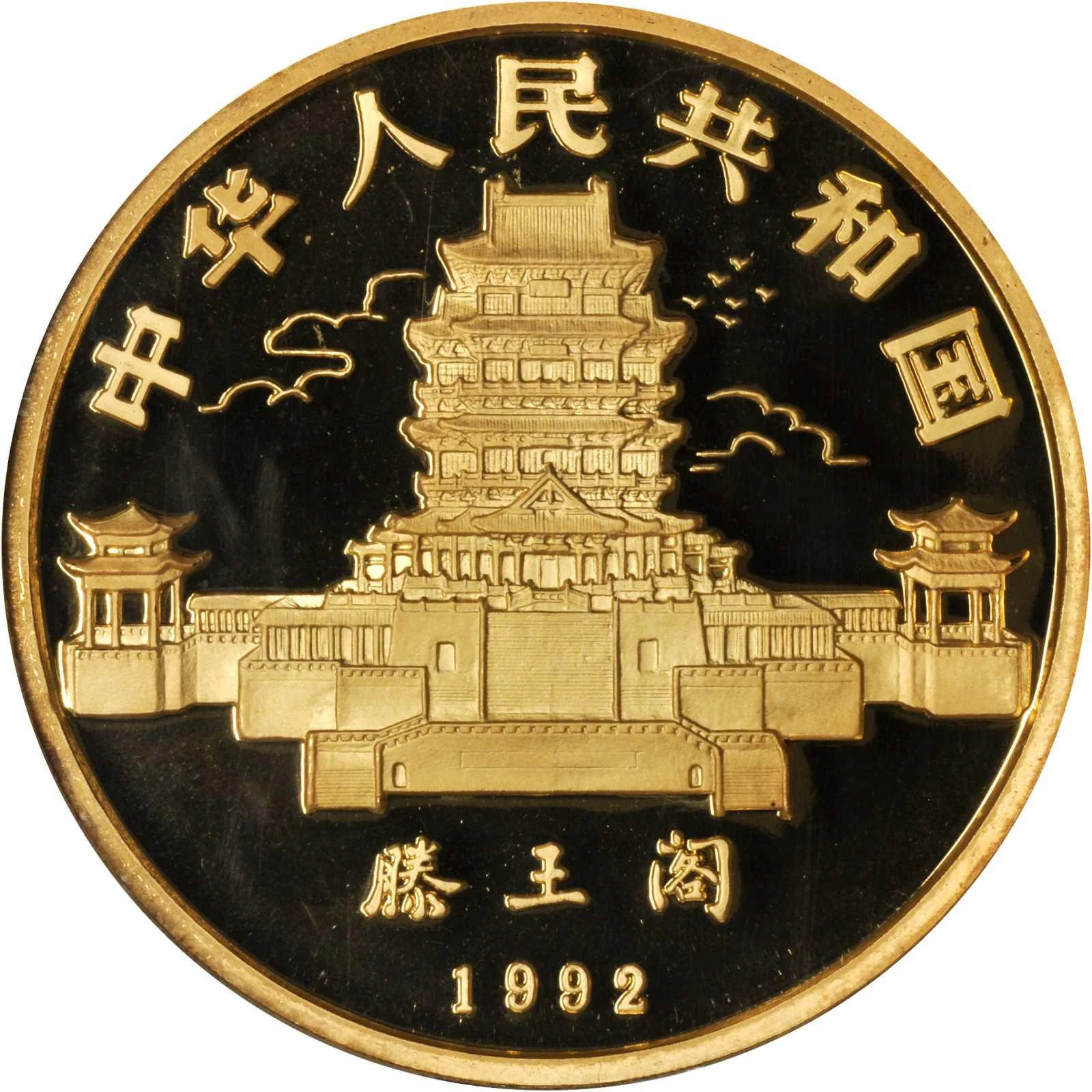
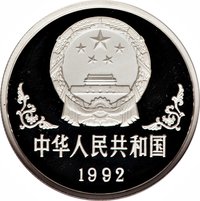
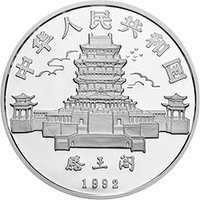
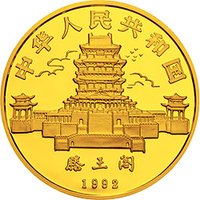
Obverse
Description:
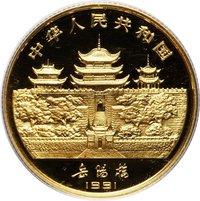
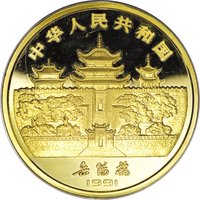
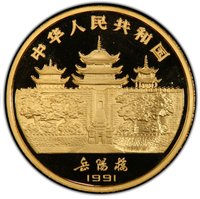
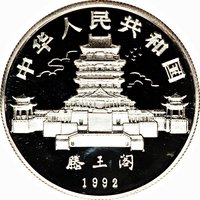
Traditional Chinese architecture
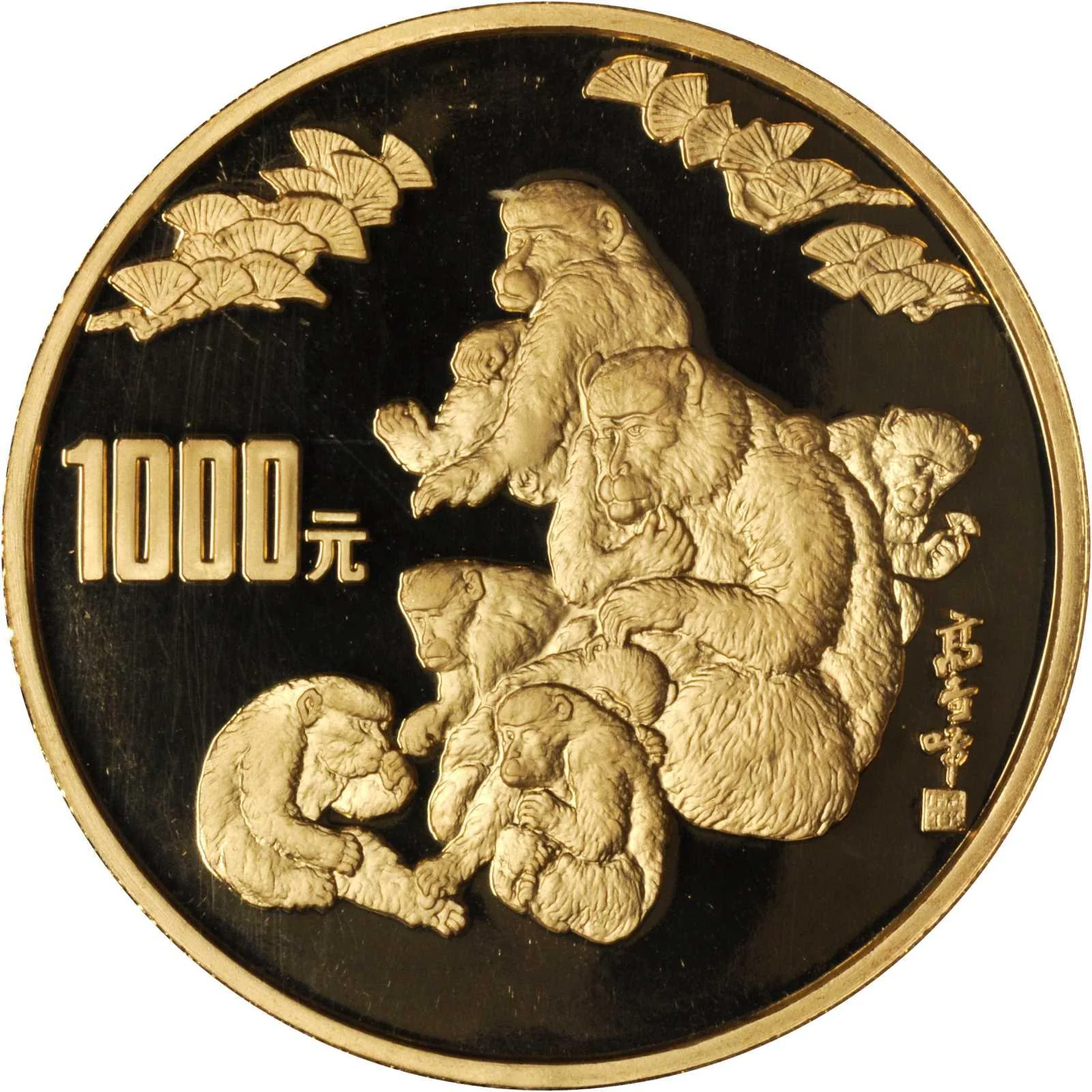
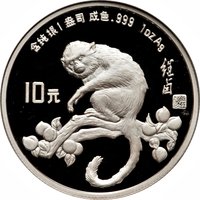
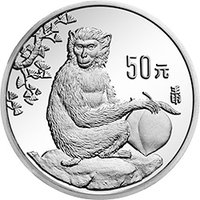
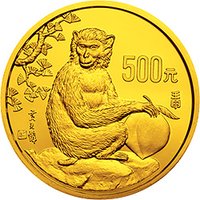
Reverse
Description:
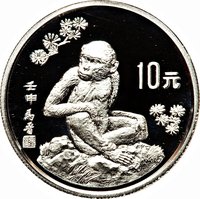
Five monkeys on left.
Edge
Reeded
Mints
| Name | Mark |
|---|---|
| Shanghai Mint Co. Ltd | — |
Mintings
| Year | Mint Mark | Mintage | Quality | Collection |
|---|---|---|---|---|
| 1992 | — | 99 | Proof |
Historical background
In 1992, the People's Republic of China operated under a complex dual-track currency system, a hallmark of its gradualist economic reforms. The official currency was the Renminbi (RMB), with its primary unit being the yuan. However, it existed in two distinct forms: the Renminbi itself, used for domestic transactions, and the Foreign Exchange Certificate (FEC), a parallel currency issued for use by foreign visitors and in designated stores. This system was designed to control foreign exchange and prevent capital flight, but it created a distorted economy with pervasive black markets where the more desirable FEC and hard currencies like the US dollar commanded a significant premium over the RMB.
This period followed Deng Xiaoping's pivotal "Southern Tour" (Nanzun) in early 1992, where he reaffirmed and accelerated market-oriented reforms. The economic boom that ensued placed immense strain on the currency regime. Surging foreign investment and trade increased the demand for foreign currency, exposing the inefficiencies and arbitrage opportunities of the dual-track system. The official exchange rate, set by the People's Bank of China, was artificially strong, but the more realistic rate was found in swap centers established in major cities and a thriving black market, highlighting a growing disconnect between state policy and market forces.
Consequently, 1992 was a year of mounting pressure that set the stage for critical monetary reforms. The cumbersome FEC system was increasingly seen as an obstacle to further internationalization and economic efficiency. The imbalances of this year contributed directly to the major policy shifts that followed, including the unification of the dual exchange rates in 1994 and the eventual abolition of the FEC. Thus, 1992 represents the final, strained chapter of China's segmented currency approach before it moved decisively toward a more unified and market-responsive financial system.
This period followed Deng Xiaoping's pivotal "Southern Tour" (Nanzun) in early 1992, where he reaffirmed and accelerated market-oriented reforms. The economic boom that ensued placed immense strain on the currency regime. Surging foreign investment and trade increased the demand for foreign currency, exposing the inefficiencies and arbitrage opportunities of the dual-track system. The official exchange rate, set by the People's Bank of China, was artificially strong, but the more realistic rate was found in swap centers established in major cities and a thriving black market, highlighting a growing disconnect between state policy and market forces.
Consequently, 1992 was a year of mounting pressure that set the stage for critical monetary reforms. The cumbersome FEC system was increasingly seen as an obstacle to further internationalization and economic efficiency. The imbalances of this year contributed directly to the major policy shifts that followed, including the unification of the dual exchange rates in 1994 and the eventual abolition of the FEC. Thus, 1992 represents the final, strained chapter of China's segmented currency approach before it moved decisively toward a more unified and market-responsive financial system.
Series: Chinese Zodiac Bullion
✨ Legendary