

100 Dinars – Algeria
Circulating commemorative coins
Commemoration: Satellite Alcomsat-1
Algeria
Context
Years: 2018–2019
Issuer: Algeria 
Issuing organization: Bank of Algeria
Period:
(since 1962)
Currency:
(since 1964)
Material
References
KM: #Click to copy to clipboard141
Numista: #162566
Value
Exchange value: 100 DZD
Obverse
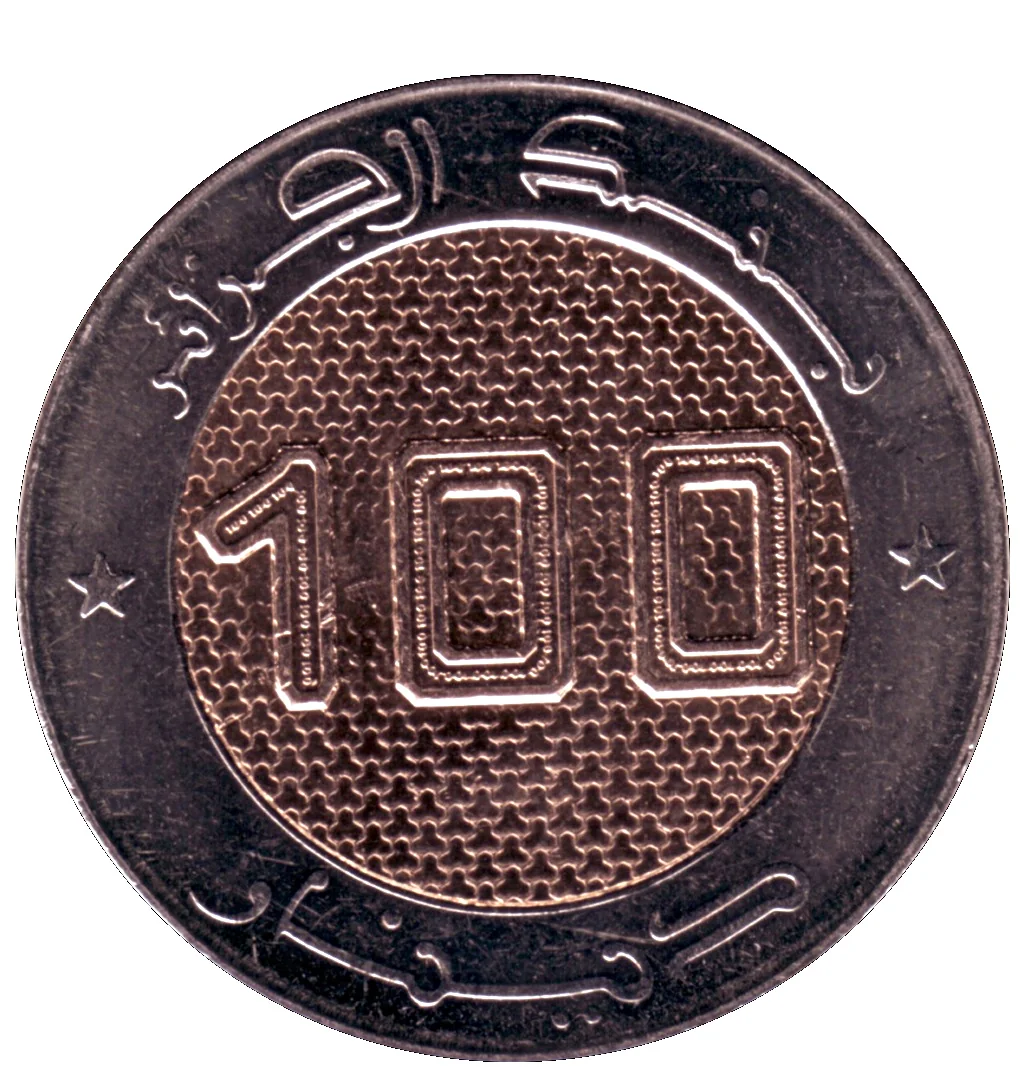
Reverse
Description:
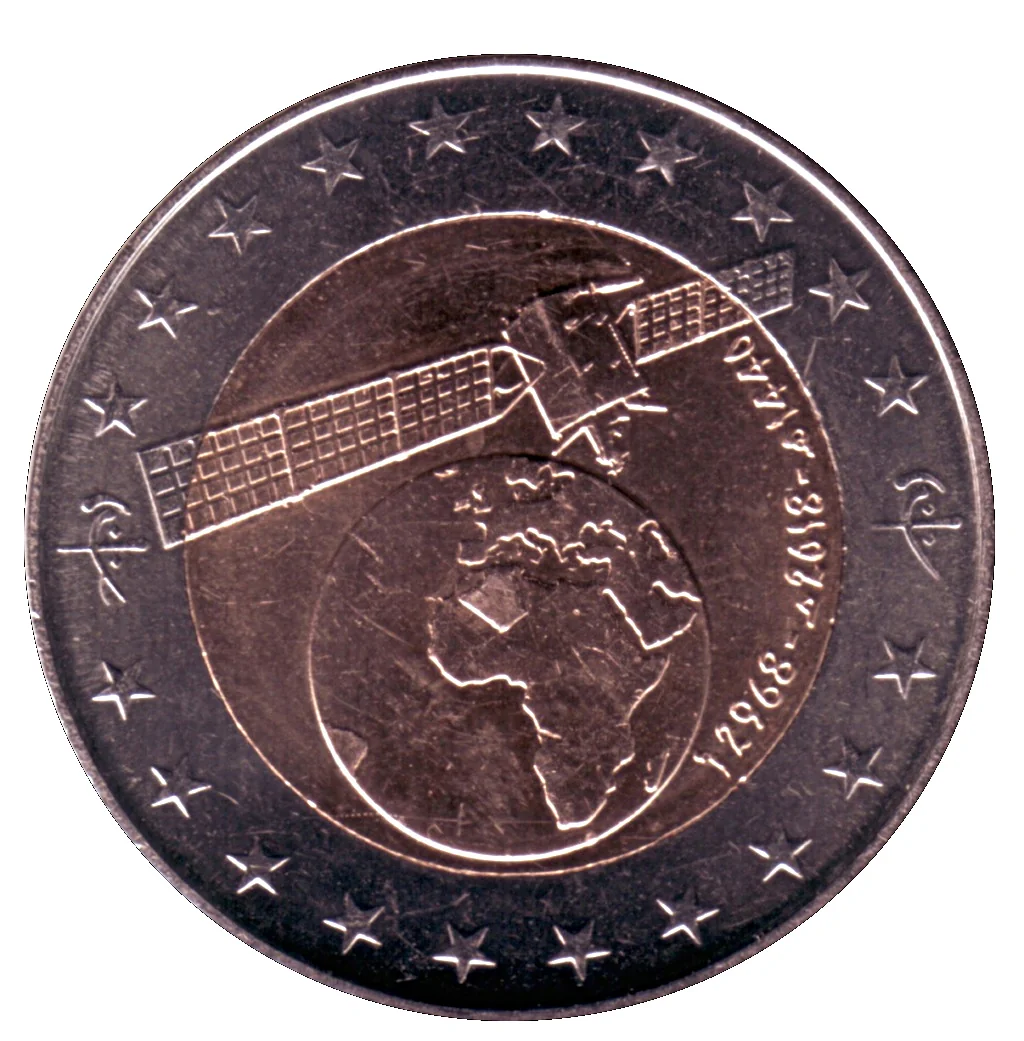
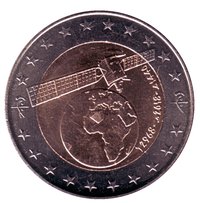
Satellite orbits globe, encircled by 20 stars split by monograms.
Inscription:
2968 - 2018 - 1440
Script: Arabic
Edge
Milled
Mints
| Name | Mark |
|---|---|
| Algiers | — |
Mintings
| Year | Mint Mark | Mintage | Quality | Collection |
|---|---|---|---|---|
| 2018 | — | — | ||
| 2019 | — | — | ||
| 2019 | — | — |
Historical background
In 2018, Algeria's currency situation was defined by significant pressure on the Algerian dinar (DZD) and a critical shortage of foreign exchange reserves, stemming from the prolonged downturn in global hydrocarbon prices since 2014. As the state derives over 90% of its export earnings and 60% of its budget revenue from oil and gas, the fiscal and trade deficits had severely depleted the country's foreign reserves, which fell from $178 billion in 2014 to approximately $80 billion by early 2018. This forced the government and the Bank of Algeria to maintain a strict regime of import restrictions and capital controls to conserve dollars, leading to bottlenecks for businesses and contributing to domestic inflation.
The official exchange rate was tightly managed and pegged to a currency basket, but a wide and growing disparity existed with the black-market rate, which became a key economic indicator. While the official rate hovered around DZD 118 to the US dollar for most of the year, the parallel market rate exceeded DZD 200, reflecting a lack of confidence and acute scarcity of hard currency. This gap created a two-tier economy, incentivizing rent-seeking and corruption, while making essential imported goods and medicines more expensive for ordinary citizens.
Authorities responded not with a devaluation, but with continued administrative measures, including expanding the list of products subject to import licenses and urging for greater import substitution. The 2018 budget also introduced measures to encourage non-hydrocarbon exports to generate foreign currency. However, these were largely stopgap solutions. The underlying structural vulnerabilities of a monolithic economy remained unaddressed, setting the stage for continued currency stress, which would become a central grievance in the mass protests of the Hirak movement that began in February 2019.
The official exchange rate was tightly managed and pegged to a currency basket, but a wide and growing disparity existed with the black-market rate, which became a key economic indicator. While the official rate hovered around DZD 118 to the US dollar for most of the year, the parallel market rate exceeded DZD 200, reflecting a lack of confidence and acute scarcity of hard currency. This gap created a two-tier economy, incentivizing rent-seeking and corruption, while making essential imported goods and medicines more expensive for ordinary citizens.
Authorities responded not with a devaluation, but with continued administrative measures, including expanding the list of products subject to import licenses and urging for greater import substitution. The 2018 budget also introduced measures to encourage non-hydrocarbon exports to generate foreign currency. However, these were largely stopgap solutions. The underlying structural vulnerabilities of a monolithic economy remained unaddressed, setting the stage for continued currency stress, which would become a central grievance in the mass protests of the Hirak movement that began in February 2019.
🌱 Common