

4 Mon – Japan
Japan
Context
Material
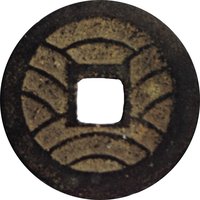
Diameter: 27 mm
Weight: 4.34 g
Thickness: 0.9 mm
Shape: Round with a square hole
Composition: Copper
Magnetic: No
Technique: Cast
Alignment: Medal alignment
flip
References
Numista: #162216
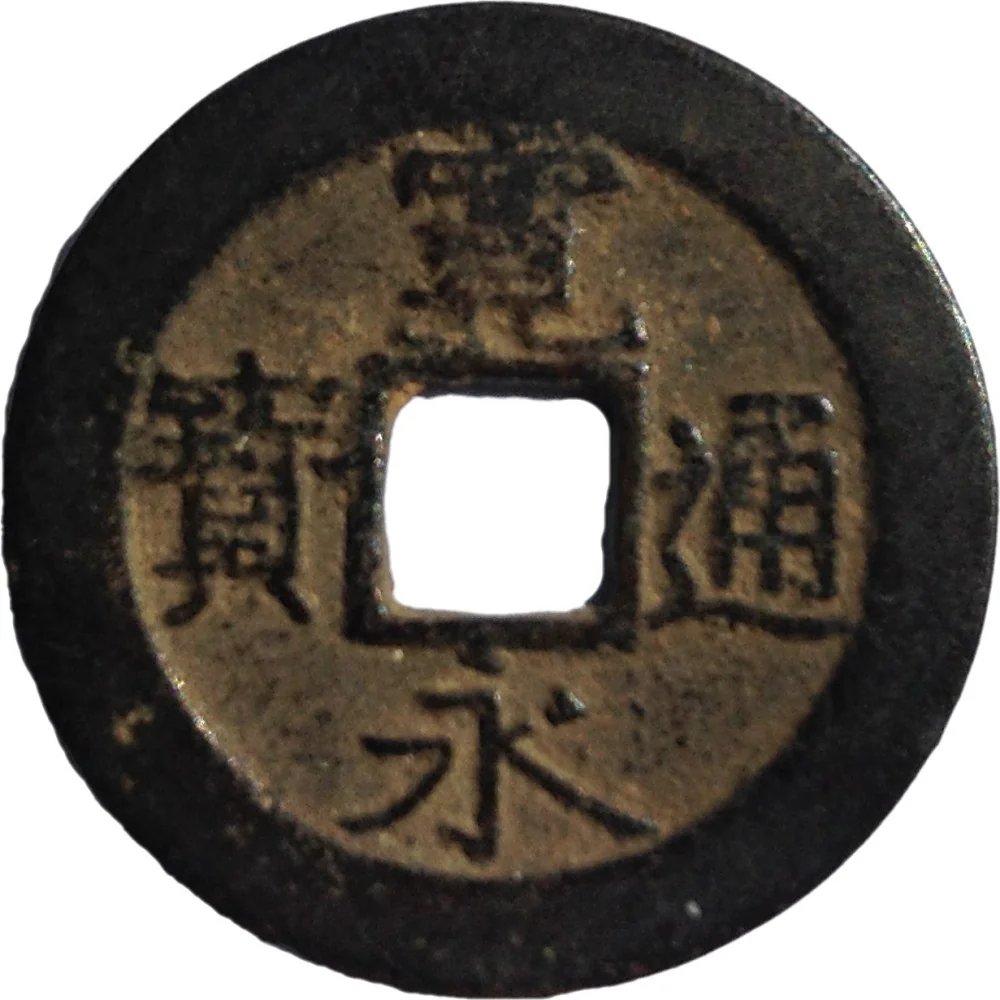
Obverse
Description:
Four around a square hole.
Inscription:
寛
寶 通
永
寶 通
永
Translation:
Eternal Coins
Circulate Treasure
Kuan
Circulate Treasure
Kuan
Language: Chinese
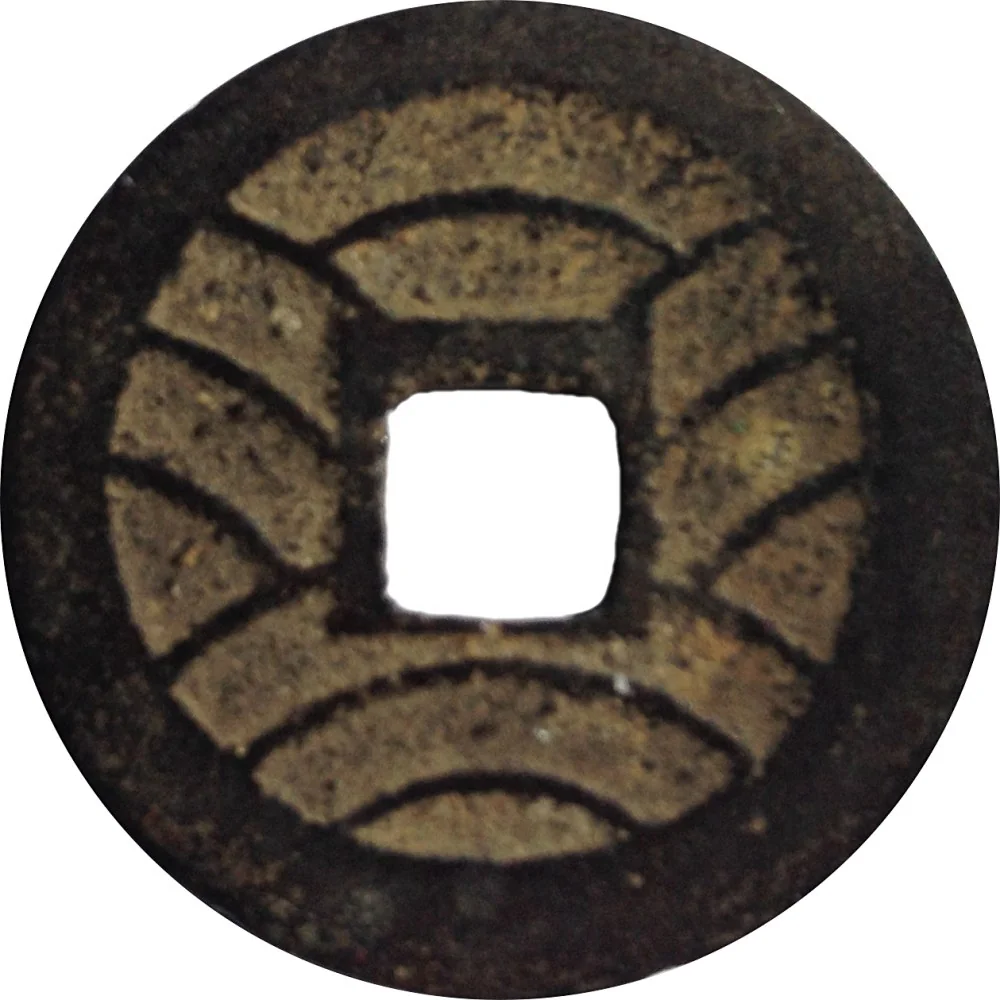
Reverse
Description:
11th wave
Edge
Plain
Mintings
| Year | Mint Mark | Mintage | Quality | Collection |
|---|---|---|---|---|
| — | — | — |
Historical background
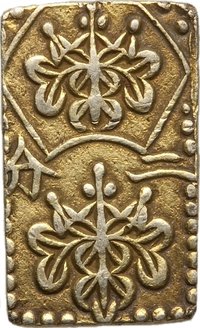
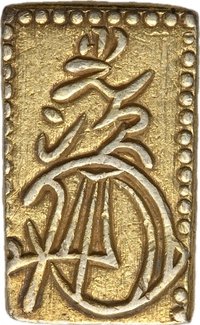
In 1857, Japan's currency system was in a state of profound crisis and confusion, a direct consequence of over two centuries of the Tokugawa shogunate's isolationist sakoku policy and its decentralized feudal structure. The economy operated on a complex, tri-metallic system of gold koban, silver chōgin (often used by weight in the merchant class), and copper mon coins, each circulating in separate domains with no fixed exchange rate between them. Furthermore, over 200 semi-autonomous domains issued their own low-quality, non-convertible paper scrip (hansatsu), creating a bewildering patchwork of currencies that hampered national trade and facilitated rampant counterfeiting. This fragmentation was exacerbated by decades of shogunate debasement, where the government repeatedly reduced the precious metal content of coins to finance its deficits, leading to severe inflation and a catastrophic loss of public trust in official currency.
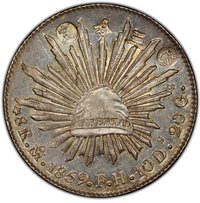
The situation was critically destabilized by the forced opening of Japan following Commodore Matthew Perry's arrival in 1853 and the subsequent unequal treaties, notably the U.S.-Japan Treaty of Amity and Commerce of 1858 (negotiated in 1857). The immediate influx of foreign merchants and the establishment of treaty ports exposed Japan's weak financial system to international arbitrage. Foreign traders, taking advantage of the vast difference between the high gold-to-silver ratio in Japan (around 1:5) compared to the global standard (1:15), began exchanging their silver for Japanese gold, which they then exported at a massive profit. This triggered a rapid and devastating drain of Japan's gold reserves, further devaluing its currency and accelerating domestic inflation, particularly in essential goods like rice.
Thus, by 1857, Japan stood on the precipice of a monetary collapse. The internal weaknesses of a feudal currency system were being exploited by external economic forces, creating a perfect storm of fiscal disorder. This financial turmoil severely undermined the economic authority of the Tokugawa shogunate, contributing to the social unrest and political dissatisfaction that would culminate in the Meiji Restoration a decade later. The crisis made it starkly clear that a unified, modern monetary system was essential for national sovereignty and economic survival in a newly interconnected world.
The situation was critically destabilized by the forced opening of Japan following Commodore Matthew Perry's arrival in 1853 and the subsequent unequal treaties, notably the U.S.-Japan Treaty of Amity and Commerce of 1858 (negotiated in 1857). The immediate influx of foreign merchants and the establishment of treaty ports exposed Japan's weak financial system to international arbitrage. Foreign traders, taking advantage of the vast difference between the high gold-to-silver ratio in Japan (around 1:5) compared to the global standard (1:15), began exchanging their silver for Japanese gold, which they then exported at a massive profit. This triggered a rapid and devastating drain of Japan's gold reserves, further devaluing its currency and accelerating domestic inflation, particularly in essential goods like rice.
Thus, by 1857, Japan stood on the precipice of a monetary collapse. The internal weaknesses of a feudal currency system were being exploited by external economic forces, creating a perfect storm of fiscal disorder. This financial turmoil severely undermined the economic authority of the Tokugawa shogunate, contributing to the social unrest and political dissatisfaction that would culminate in the Meiji Restoration a decade later. The crisis made it starkly clear that a unified, modern monetary system was essential for national sovereignty and economic survival in a newly interconnected world.
🌟 Limited