

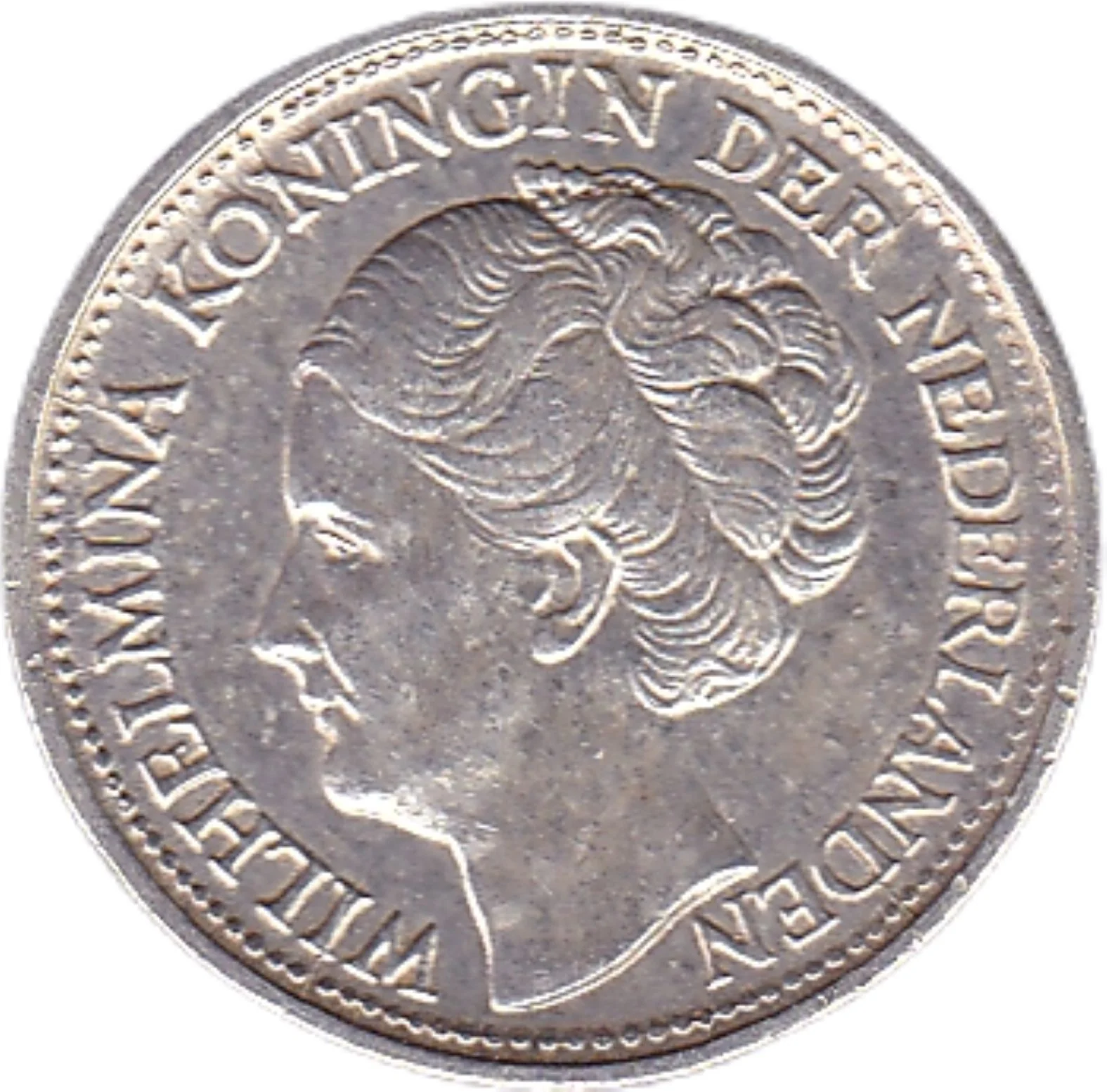
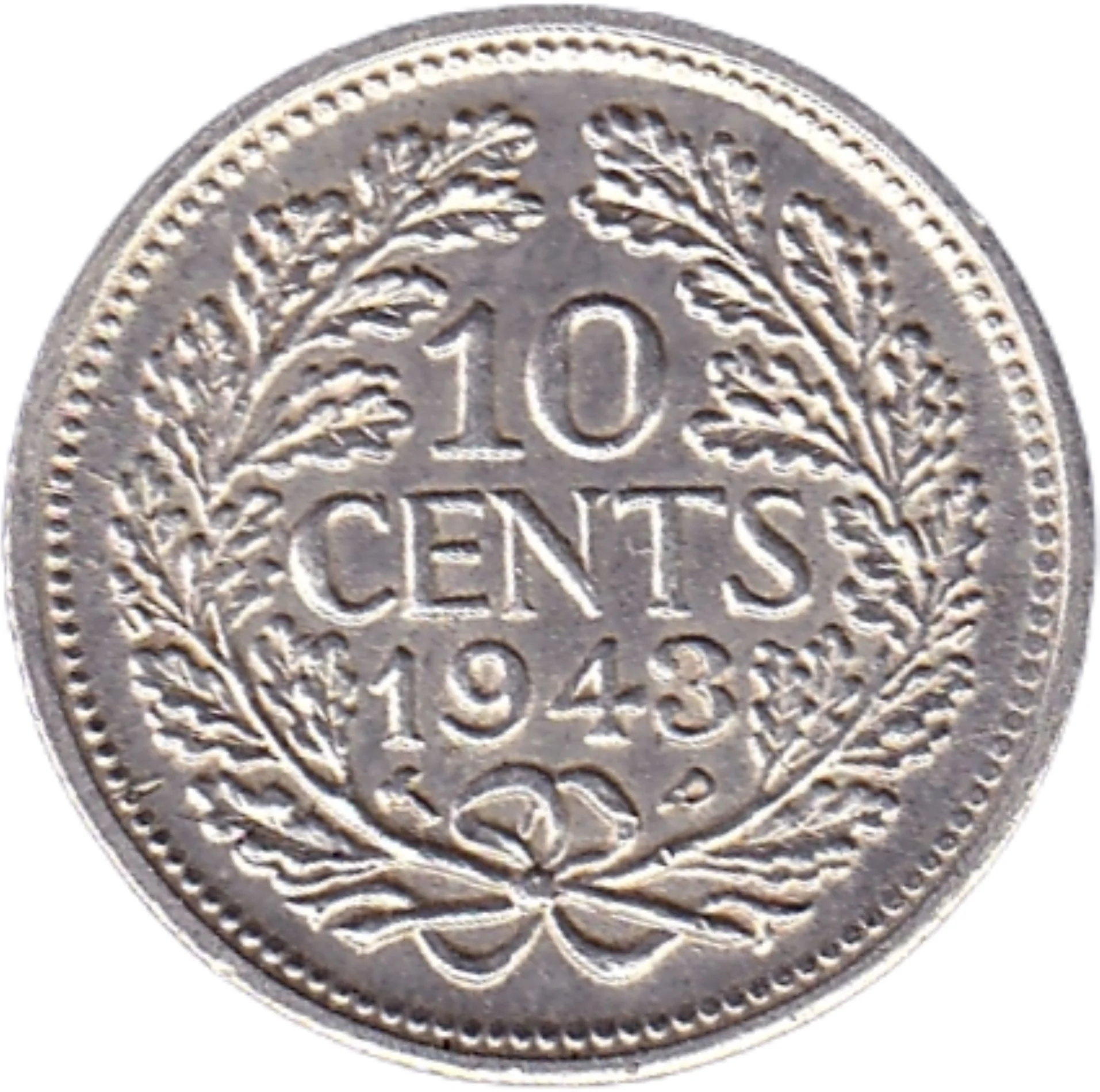
10 cents – Suriname
Add to wishlist
Suriname
Context
Years: 1941–1943
Issuer: Suriname
Ruler: Wilhelmina
Currency:
(1826—2003)
Demonetized: Yes
Total mintage: 6,000,000
Material
References
KM: #
Numista: #16118
Value
Exchange value: 0.10 SRD
Bullion value: $2.19
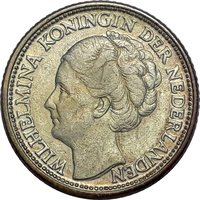
Obverse
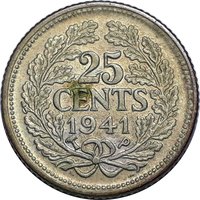
Reverse
Description:
Wreath value. Date above palm tree and P mintmarks.
Inscription:
10
CENTS
1942
P
CENTS
1942
P
Script: Latin
Edge
Reeded
Mints
| Name | Mark |
|---|---|
| United States Mint of Philadelphia | P |
Historical background
In 1941, Suriname, then a Dutch colony, found its currency situation directly shaped by the turmoil of World War II. Following the German occupation of the Netherlands in May 1940, the colonial administration in Paramaribo aligned with the Dutch government-in-exile in London. This political rupture severed direct financial ties with the occupied homeland, creating an urgent need for monetary autonomy and stability. The existing currency, the Surinamese guilder (pegged 1:1 to the Dutch guilder), was suddenly without its central backing, and there were concerns over the potential for exiled Dutch banknotes from Europe to flood the market and cause inflation.
The decisive response was the establishment of the Surinamese Bank of Issue (Bank van Surinaame) in 1941. This new institution was granted the exclusive right to issue currency for the colony, a critical step in asserting financial sovereignty. To replace the existing Dutch notes, the bank introduced distinct, locally issued Surinamese guilder banknotes. These notes were pegged not to the now-inaccessible Dutch guilder, but to the United States dollar at a fixed rate of 1.88585 Surinamese guilders to 1 US dollar, reflecting the colony's growing economic and strategic alignment with the Allied forces, particularly the United States.
This currency reform was underpinned by Suriname's vital wartime role. The 1941 agreement to host US troops (following the December 1941 attack on Pearl Harbor) and the immense strategic importance of its bauxite mines—essential for aluminum production—brought significant American investment and dollars into the colony. The new dollar peg provided much-needed stability, facilitated trade with the Allies, and insulated the local economy from the financial chaos in occupied Europe. Thus, the 1941 currency situation transitioned Suriname from a dependent colonial monetary system to a managed, dollar-anchored one, driven by the exigencies of war.
The decisive response was the establishment of the Surinamese Bank of Issue (Bank van Surinaame) in 1941. This new institution was granted the exclusive right to issue currency for the colony, a critical step in asserting financial sovereignty. To replace the existing Dutch notes, the bank introduced distinct, locally issued Surinamese guilder banknotes. These notes were pegged not to the now-inaccessible Dutch guilder, but to the United States dollar at a fixed rate of 1.88585 Surinamese guilders to 1 US dollar, reflecting the colony's growing economic and strategic alignment with the Allied forces, particularly the United States.
This currency reform was underpinned by Suriname's vital wartime role. The 1941 agreement to host US troops (following the December 1941 attack on Pearl Harbor) and the immense strategic importance of its bauxite mines—essential for aluminum production—brought significant American investment and dollars into the colony. The new dollar peg provided much-needed stability, facilitated trade with the Allies, and insulated the local economy from the financial chaos in occupied Europe. Thus, the 1941 currency situation transitioned Suriname from a dependent colonial monetary system to a managed, dollar-anchored one, driven by the exigencies of war.
🌱 Fairly Common