

5 euro – Finland
Add to wishlist
Non-circulating coins
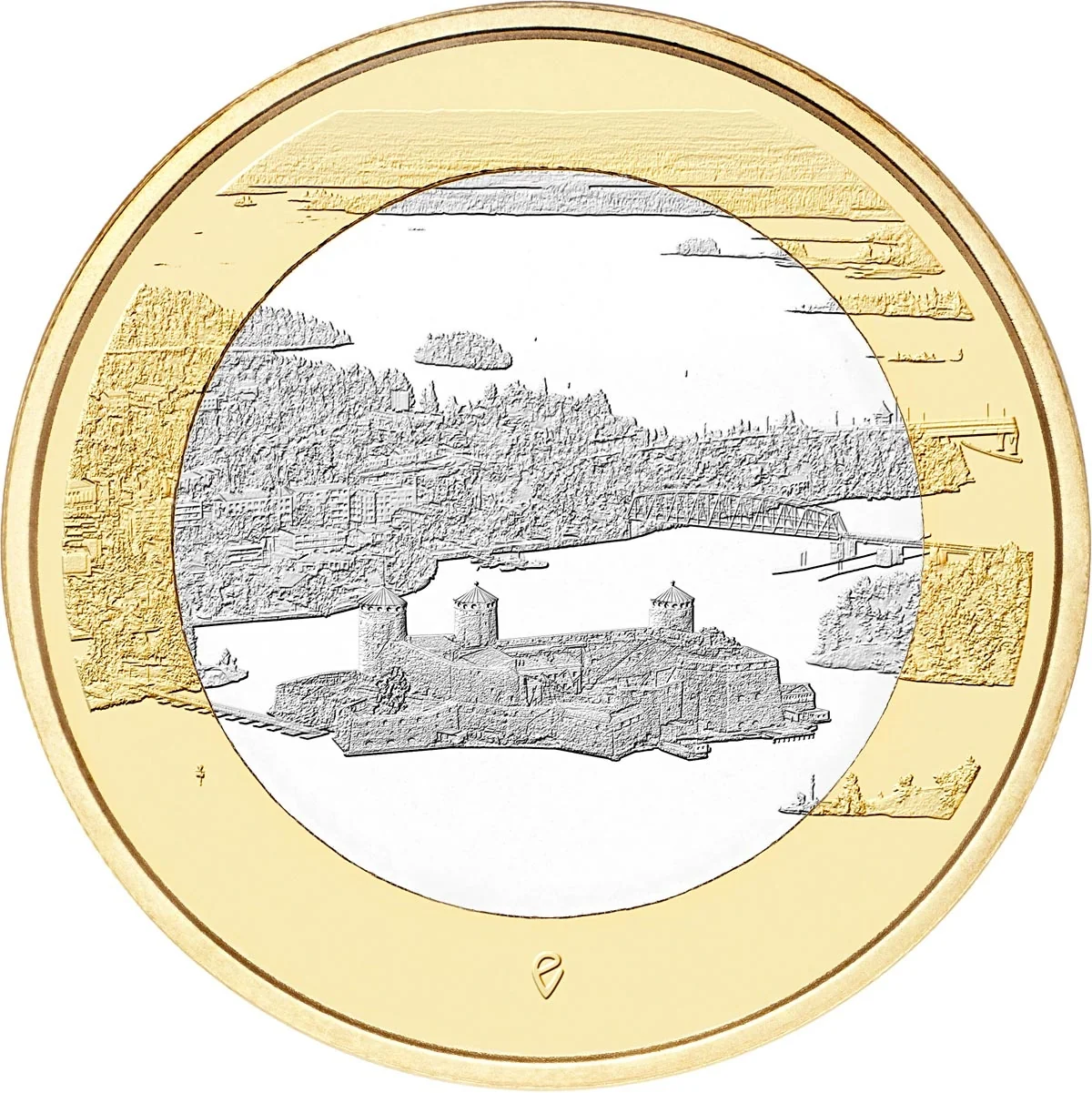
Commemoration: Olavinlinna Castle and Lake Pihlajavesi
Series: Finnish National Landscapes
Finland
Obverse
Description:
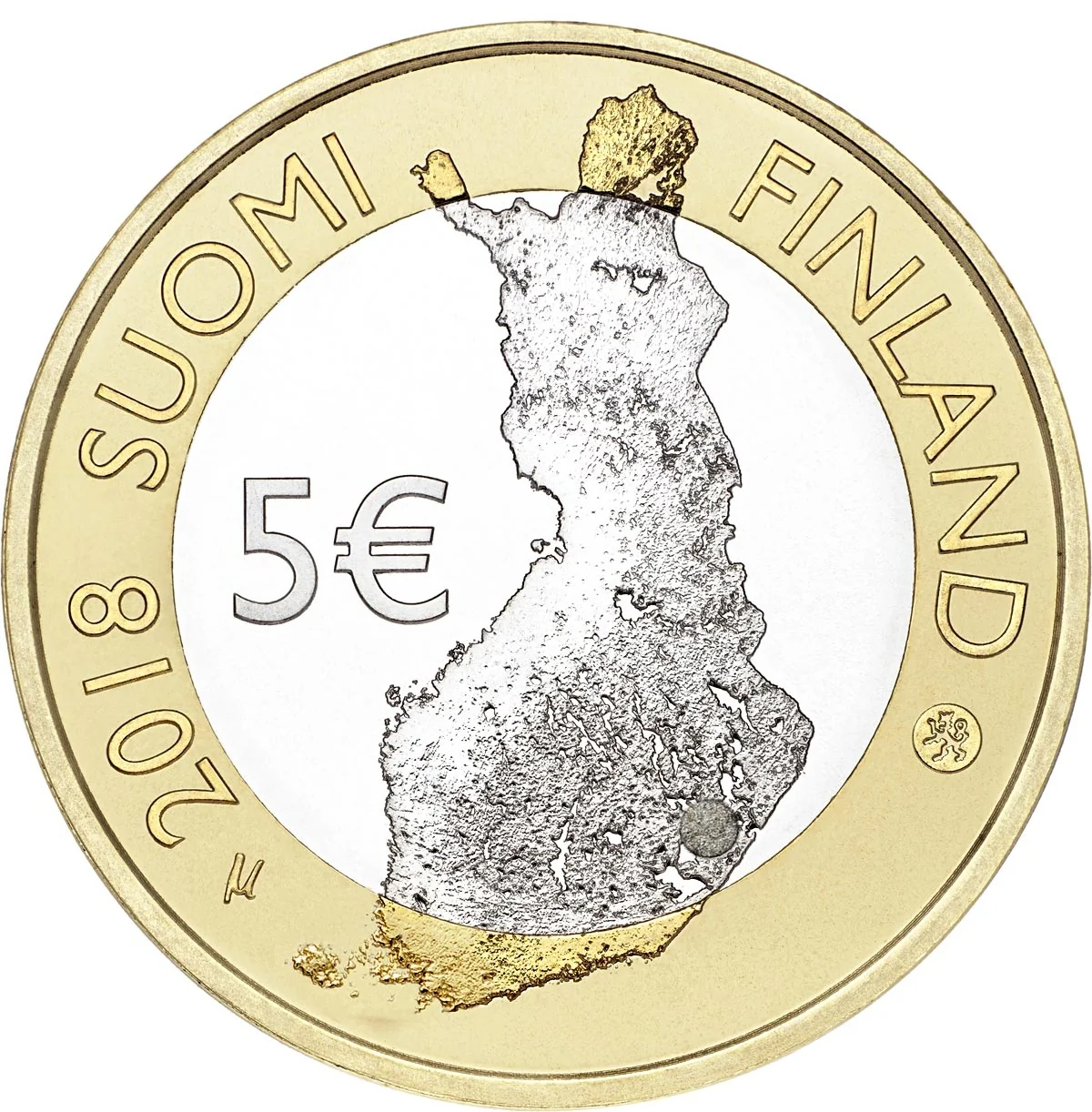
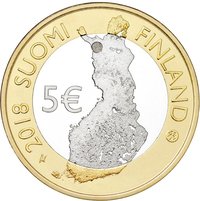
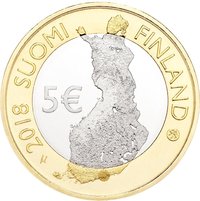
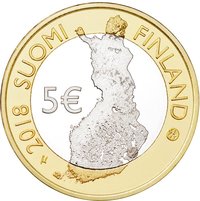
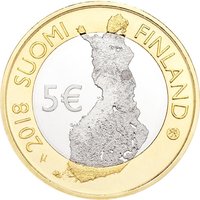
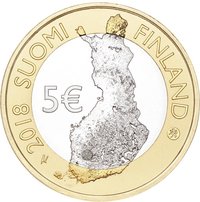
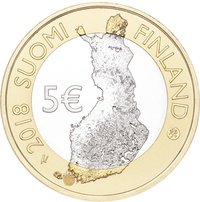
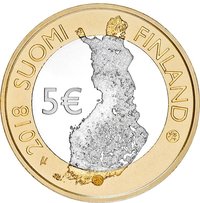
Finland map and mintmark.
Inscription:
SUOMI FINLAND
2018
5 €
2018
5 €
Translation:
Finland
2018
5 €
2018
5 €
Script: Latin
Engraver: Erkki Vainio
Reverse
Description:
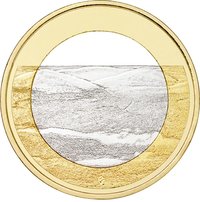
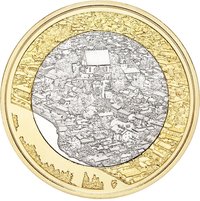
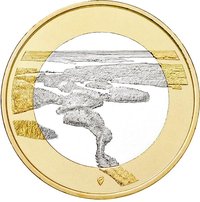
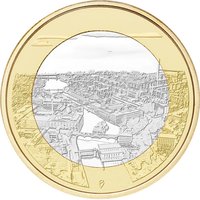
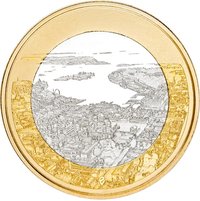
Olavinlinna Castle on Lake Pihlajavesi in Savonlinna.
Engraver: Mari Metso
Edge
Plain
Categories
| Map |
| Building> Castle or fortification |
| Geography> Lake |
Mints
| Name | Mark |
|---|---|
| Mint of Finland | — |
Mintings
| Year | Mint Mark | Mintage | Quality | Collection |
|---|---|---|---|---|
| 2018 | — | 15,000 | ||
| 2018 | — | 3,000 | Proof |
Historical background
In 2018, Finland remained a committed member of the Eurozone, using the euro (€) as its sole official currency since 2002. The country's monetary policy was therefore set by the European Central Bank (ECB), which continued its historically accommodative stance throughout the year. Key ECB policies, such as maintaining near-zero interest rates and its quantitative easing asset purchase program, were dominant factors shaping the Finnish financial environment. These measures aimed to stimulate inflation and growth across the Eurozone, including Finland, but also contributed to low returns on savings and rising household debt.
Domestically, the Finnish economy was in a phase of steady, moderate growth following the recovery from the severe 2010s recession. This economic stability underpinned confidence in the currency. However, a notable national discussion persisted around the structural challenges of an aging population and relatively high public debt, which had long-term implications for fiscal sustainability. Furthermore, while the euro provided stability and eliminated exchange rate risk within the Eurozone, Finnish exporters outside the euro area, like those in the important forestry and technology sectors, remained sensitive to fluctuations in the euro's external exchange rate.
The year also saw the continued decline of physical cash usage, a trend Finland led within Europe. Digital and card payments became increasingly ubiquitous, accelerating a societal shift toward a cashless economy. This was supported by advanced digital banking infrastructure and high public trust in electronic systems. Notably, 2018 marked the final year of production for Finland's own national euro coin minting, as the state-owned Mint of Finland ceased striking circulation coins for the domestic market, a practical reflection of the fully integrated currency union.
Domestically, the Finnish economy was in a phase of steady, moderate growth following the recovery from the severe 2010s recession. This economic stability underpinned confidence in the currency. However, a notable national discussion persisted around the structural challenges of an aging population and relatively high public debt, which had long-term implications for fiscal sustainability. Furthermore, while the euro provided stability and eliminated exchange rate risk within the Eurozone, Finnish exporters outside the euro area, like those in the important forestry and technology sectors, remained sensitive to fluctuations in the euro's external exchange rate.
The year also saw the continued decline of physical cash usage, a trend Finland led within Europe. Digital and card payments became increasingly ubiquitous, accelerating a societal shift toward a cashless economy. This was supported by advanced digital banking infrastructure and high public trust in electronic systems. Notably, 2018 marked the final year of production for Finland's own national euro coin minting, as the state-owned Mint of Finland ceased striking circulation coins for the domestic market, a practical reflection of the fully integrated currency union.
Series: Finnish National Landscapes
⭐ Somewhat Rare