

1 farthing – Ireland
Add to wishlist
Ireland
Context
Material
References
KM: #
Numista: #10561
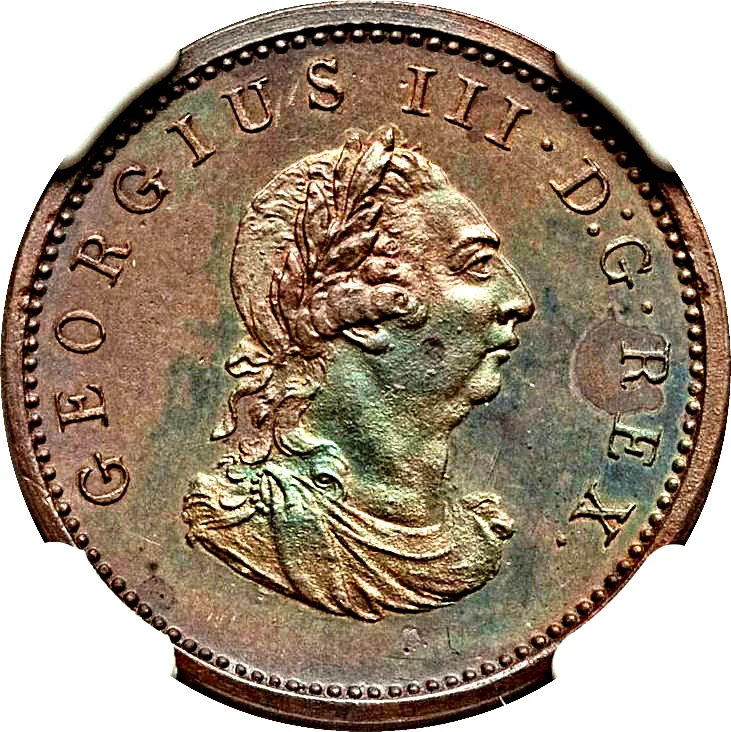
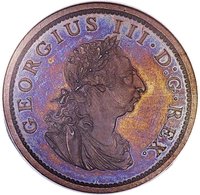
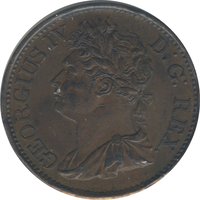
Obverse
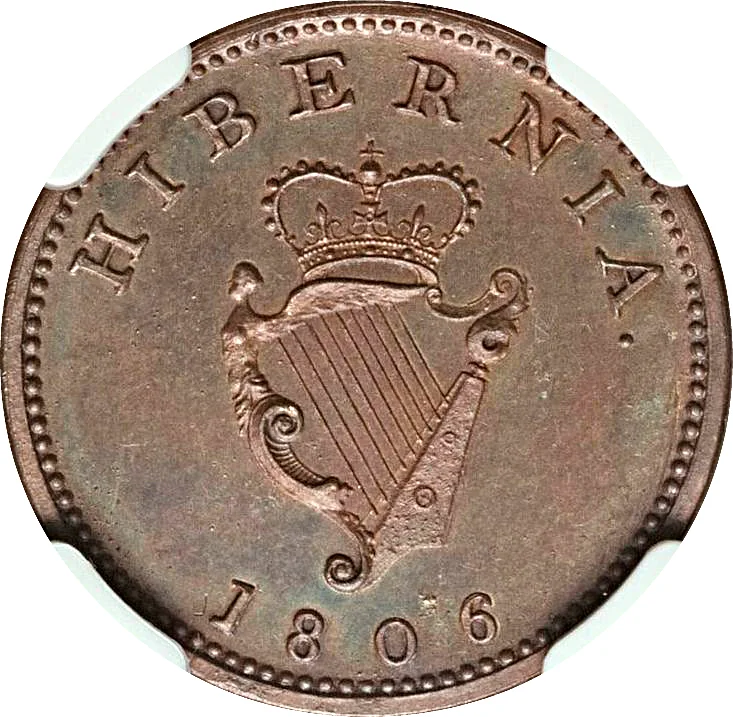
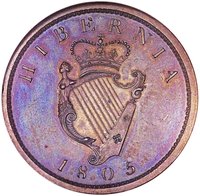
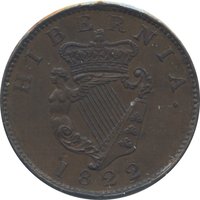
Reverse
Edge
Center Slanted Reeding Left
Mints
| Name | Mark |
|---|---|
| Soho Mint | — |
Mintings
| Year | Mint Mark | Mintage | Quality | Collection |
|---|---|---|---|---|
| 1806 | — | — | ||
| 1806 | — | — | Proof |
Historical background
In 1806, Ireland operated under a complex and strained monetary system, still formally separate from Britain’s despite the Acts of Union 1800. The official currency was Irish pounds, shillings, and pence, but the Irish pound was fixed at a lower value than its British counterpart—12 Irish pounds equalled 13 British pounds. This created persistent friction in trade and accounting, especially as economic integration with Britain deepened. While gold and Bank of England notes circulated, particularly in commercial centres, they did so at this awkward fixed exchange, causing confusion and inconvenience in daily transactions.
The system was under severe practical pressure due to a chronic shortage of small change and reliable coinage for the general populace. This led to widespread circulation of worn, lightweight foreign coins (especially Spanish dollars and Portuguese joes), private tokens issued by merchants and banks, and even overstamped pieces. The Bank of Ireland, established in 1783, issued notes but these were largely confined to Dublin and major transactions, leaving a vacuum in provincial and rural economies. Consequently, a patchwork of local credit and unstable tokens filled the gap, undermining confidence in the monetary system as a whole.
This unsatisfactory situation was moving towards a crisis and a definitive resolution. The year 1806 fell within a period of intense debate that would culminate in the significant currency reform of 1826, when the Irish pound was abolished and sterling was made the sole legal tender. Therefore, the currency background in 1806 is one of a transitional, dysfunctional hybrid system, struggling to meet the needs of an integrated kingdom and laying the groundwork for the eventual full monetary union with Britain that would follow two decades later.
The system was under severe practical pressure due to a chronic shortage of small change and reliable coinage for the general populace. This led to widespread circulation of worn, lightweight foreign coins (especially Spanish dollars and Portuguese joes), private tokens issued by merchants and banks, and even overstamped pieces. The Bank of Ireland, established in 1783, issued notes but these were largely confined to Dublin and major transactions, leaving a vacuum in provincial and rural economies. Consequently, a patchwork of local credit and unstable tokens filled the gap, undermining confidence in the monetary system as a whole.
This unsatisfactory situation was moving towards a crisis and a definitive resolution. The year 1806 fell within a period of intense debate that would culminate in the significant currency reform of 1826, when the Irish pound was abolished and sterling was made the sole legal tender. Therefore, the currency background in 1806 is one of a transitional, dysfunctional hybrid system, struggling to meet the needs of an integrated kingdom and laying the groundwork for the eventual full monetary union with Britain that would follow two decades later.
🌱 Common