

1 Chon – Joseon
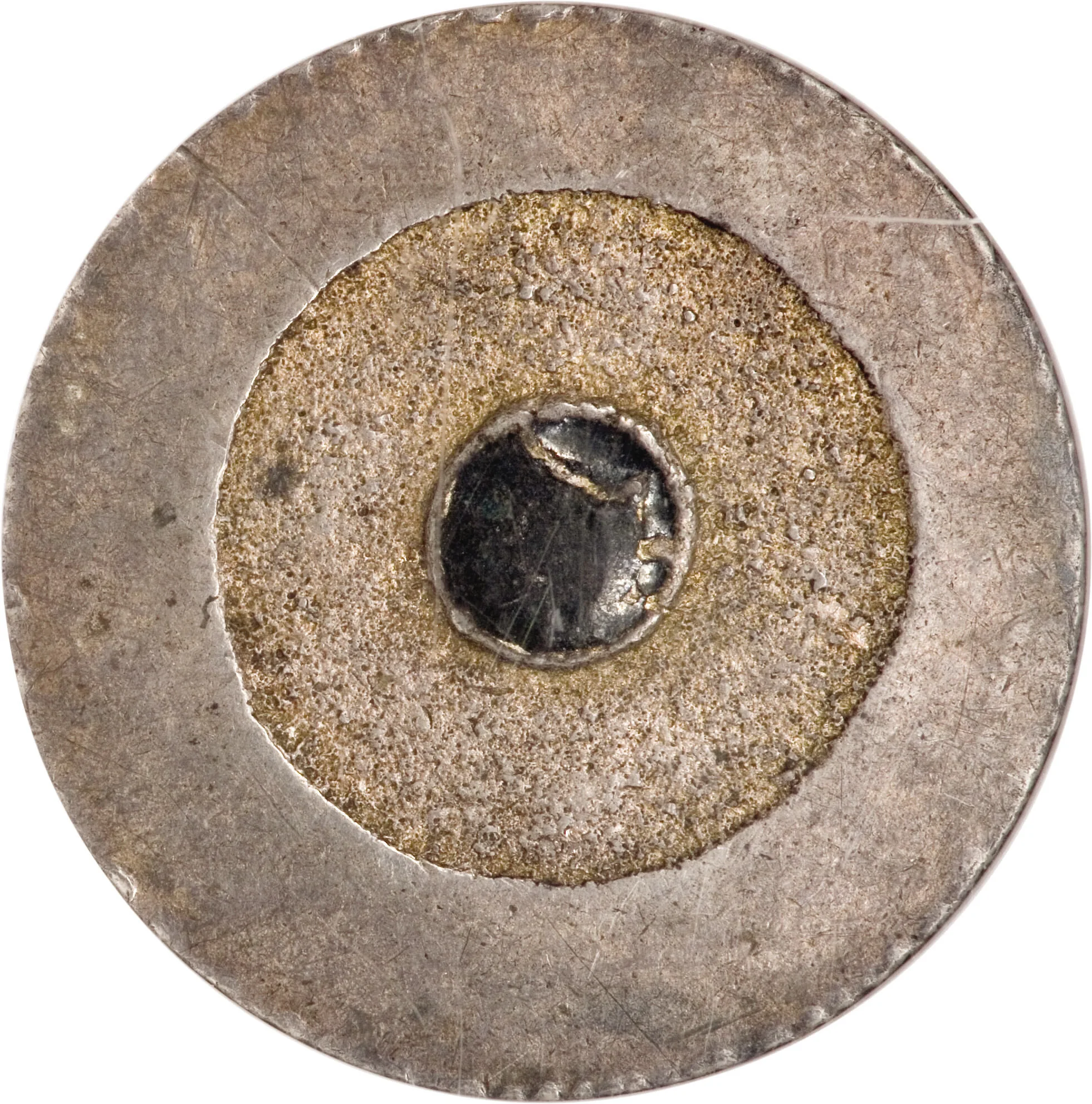
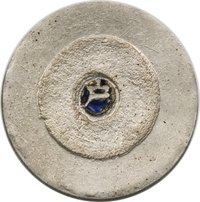
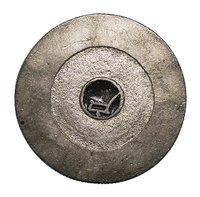
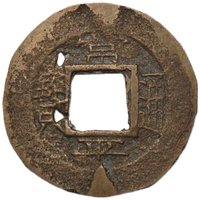
Obverse
Description:
Treasury mintmark in center circle.
Inscription:
戶
Translation:
Household
Language: Classical Chinese
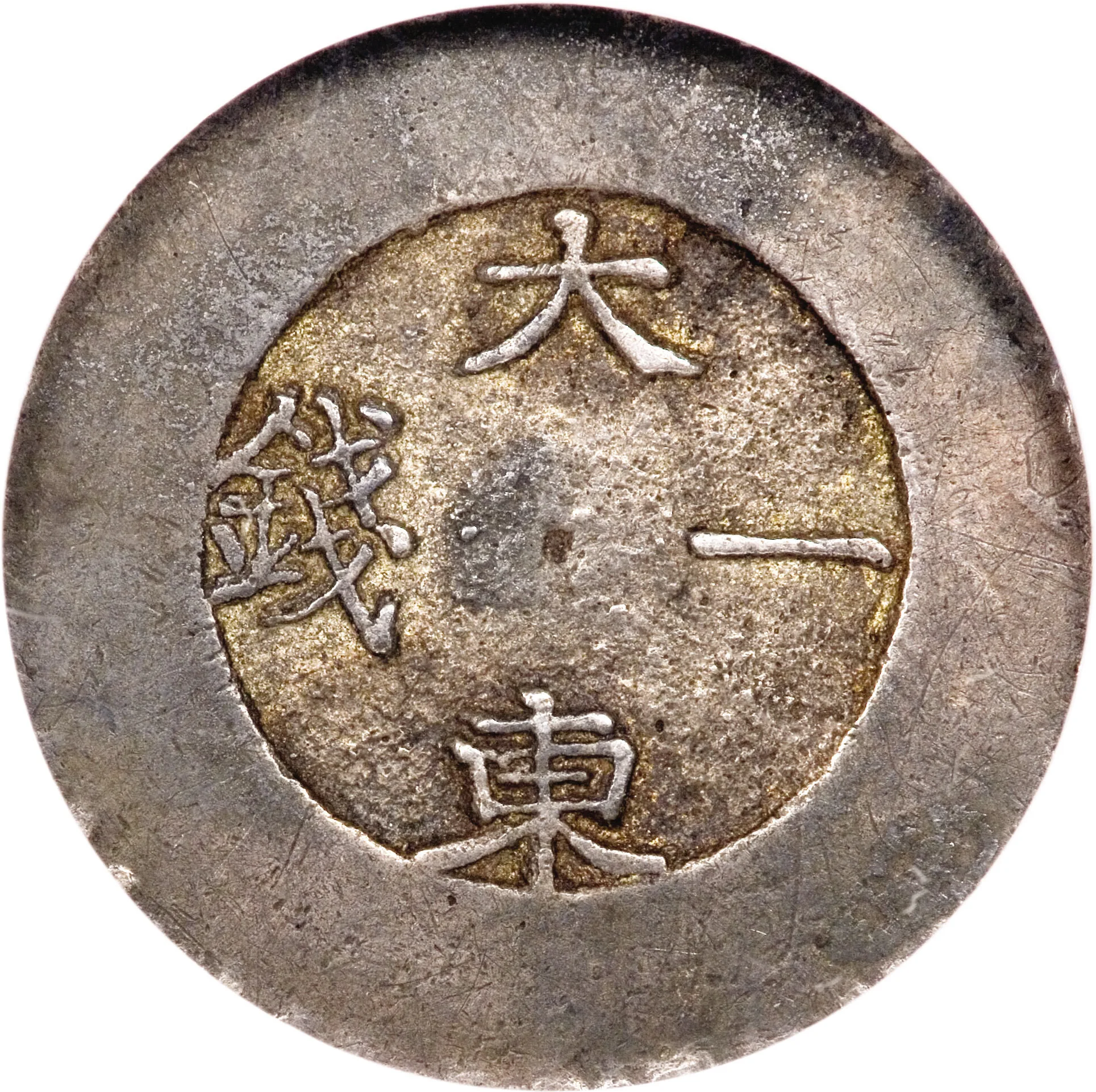
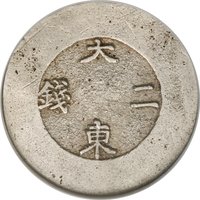
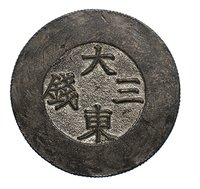
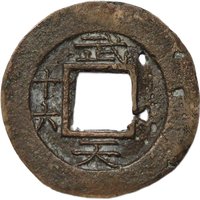
Reverse
Description:
Country name (vertical, top to bottom) and denomination (horizontal, right to left).
Inscription:
大
錢 一
東
錢 一
東
Translation:
Great
Coin One
East
Coin One
East
Language: Chinese
Edge
Mintings
| Year | Mint Mark | Mintage | Quality | Collection |
|---|---|---|---|---|
| — | 戶 | — |
Historical background
In 1882, the currency system of Joseon Korea was in a state of profound crisis and transition, caught between a collapsing traditional order and the aggressive economic pressures of foreign powers. The domestic economy relied on a cumbersome bimetallic system of copper mun coins and silver yang bars, which were irregularly minted, easily counterfeited, and insufficient for a growing commercial economy. This instability was exacerbated by centuries of debasement and the circulation of vast quantities of privately cast "vile coin" (yeopjeon), leading to severe inflation, popular discontent, and a crippling lack of trust in the monetary system.
Externally, Joseon's currency was being violently reshaped by the opening of its ports through treaties with Japan (1876) and Western nations. The unequal treaties imposed a fixed, disadvantageous exchange rate between the Japanese silver yen and the Korean yang, which facilitated a massive outflow of Joseon's limited silver reserves. Japanese merchants, exploiting this rate, flooded the Korean market with imported goods and yen, while extracting raw materials and bullion, effectively beginning a process of financial colonization that destabilized prices and further drained the kingdom's wealth.
The currency chaos was a direct catalyst for the Imo Mutiny of July 1882, when disgruntled soldiers, paid in devalued rice or nearly worthless mun coins, rose up against the government and the pro-Japanese reform faction. In the aftermath, with Chinese intervention under the Qing's Li Hongzhang, attempts at monetary reform accelerated. This led to the establishment of the Office of Minting Machines and Printing and the 1883 issuance of Korea's first modern machine-struck coinage, the eunhye mun, and the first paper currency. Thus, 1882 stands as the pivotal year when Joseon's archaic monetary system, buckling under internal decay and external exploitation, finally fractured, setting the stage for a fraught and externally influenced drive toward a modern currency.
Externally, Joseon's currency was being violently reshaped by the opening of its ports through treaties with Japan (1876) and Western nations. The unequal treaties imposed a fixed, disadvantageous exchange rate between the Japanese silver yen and the Korean yang, which facilitated a massive outflow of Joseon's limited silver reserves. Japanese merchants, exploiting this rate, flooded the Korean market with imported goods and yen, while extracting raw materials and bullion, effectively beginning a process of financial colonization that destabilized prices and further drained the kingdom's wealth.
The currency chaos was a direct catalyst for the Imo Mutiny of July 1882, when disgruntled soldiers, paid in devalued rice or nearly worthless mun coins, rose up against the government and the pro-Japanese reform faction. In the aftermath, with Chinese intervention under the Qing's Li Hongzhang, attempts at monetary reform accelerated. This led to the establishment of the Office of Minting Machines and Printing and the 1883 issuance of Korea's first modern machine-struck coinage, the eunhye mun, and the first paper currency. Thus, 1882 stands as the pivotal year when Joseon's archaic monetary system, buckling under internal decay and external exploitation, finally fractured, setting the stage for a fraught and externally influenced drive toward a modern currency.
✨ Legendary