

10 cents – Hong Kong
Add to wishlist
China
Context
Years: 1982–1984
Country: China
Issuer: Hong Kong
Ruler: Elizabeth II
Currency:
(since 1863)
Total mintage: 140,032,000
Material
Diameter: 17.55 mm
Weight: 2 g
Thickness: 1.05 mm
Shape: Round
Composition: Nickel brass
Magnetic: No
Technique: Milled
Alignment: Medal alignment
flip
References
KM: #
Numista: #1580
Value
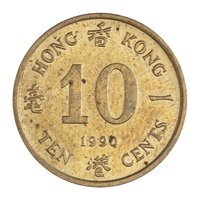
Exchange value: 0.10 HKD
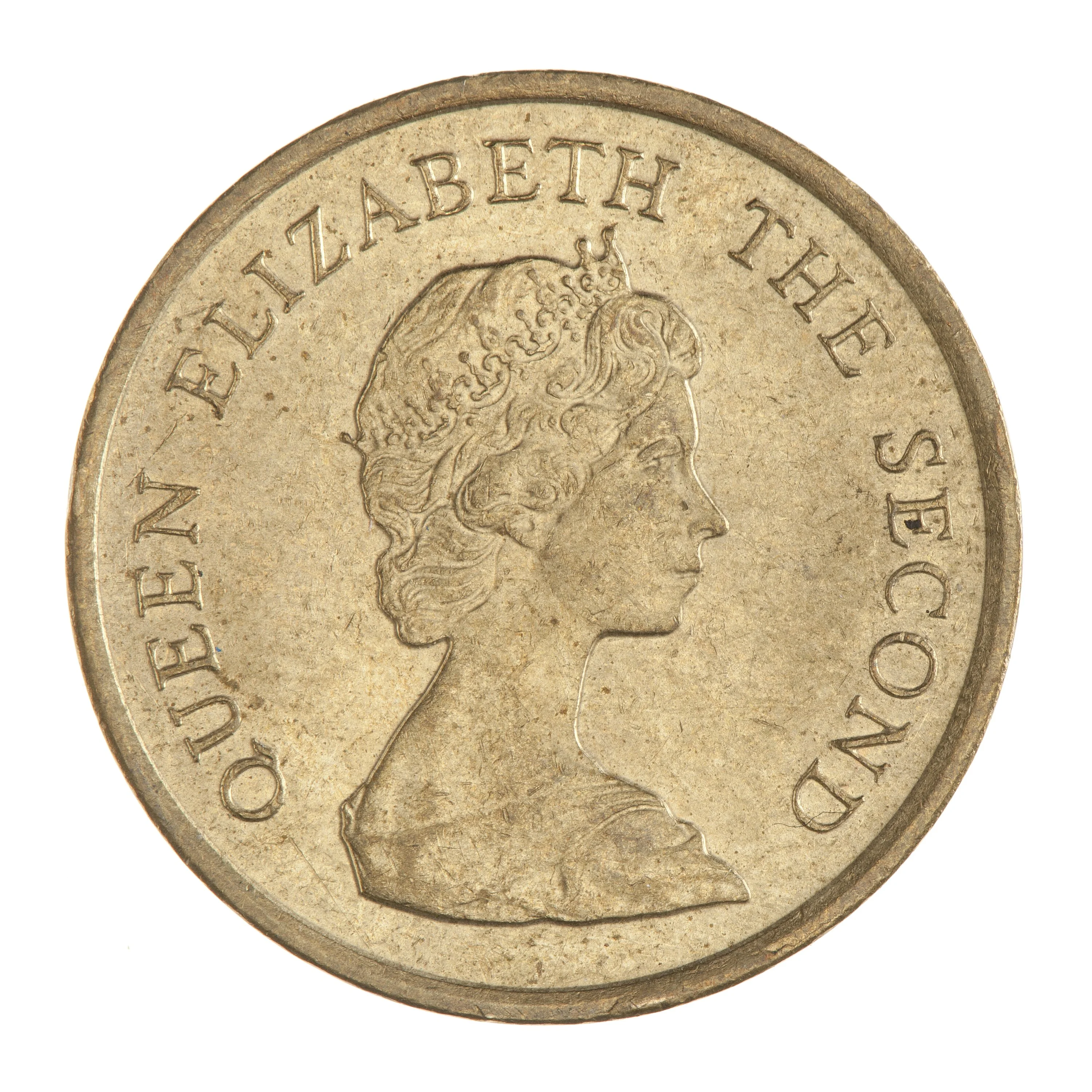
Obverse
Description:
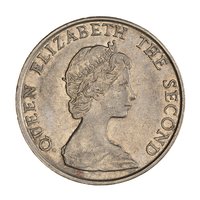
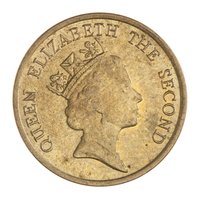
Right-facing crowned bust.
Inscription:
QUEEN ELIZABETH THE SECOND
Script: Latin
Engraver: Arnold Machin
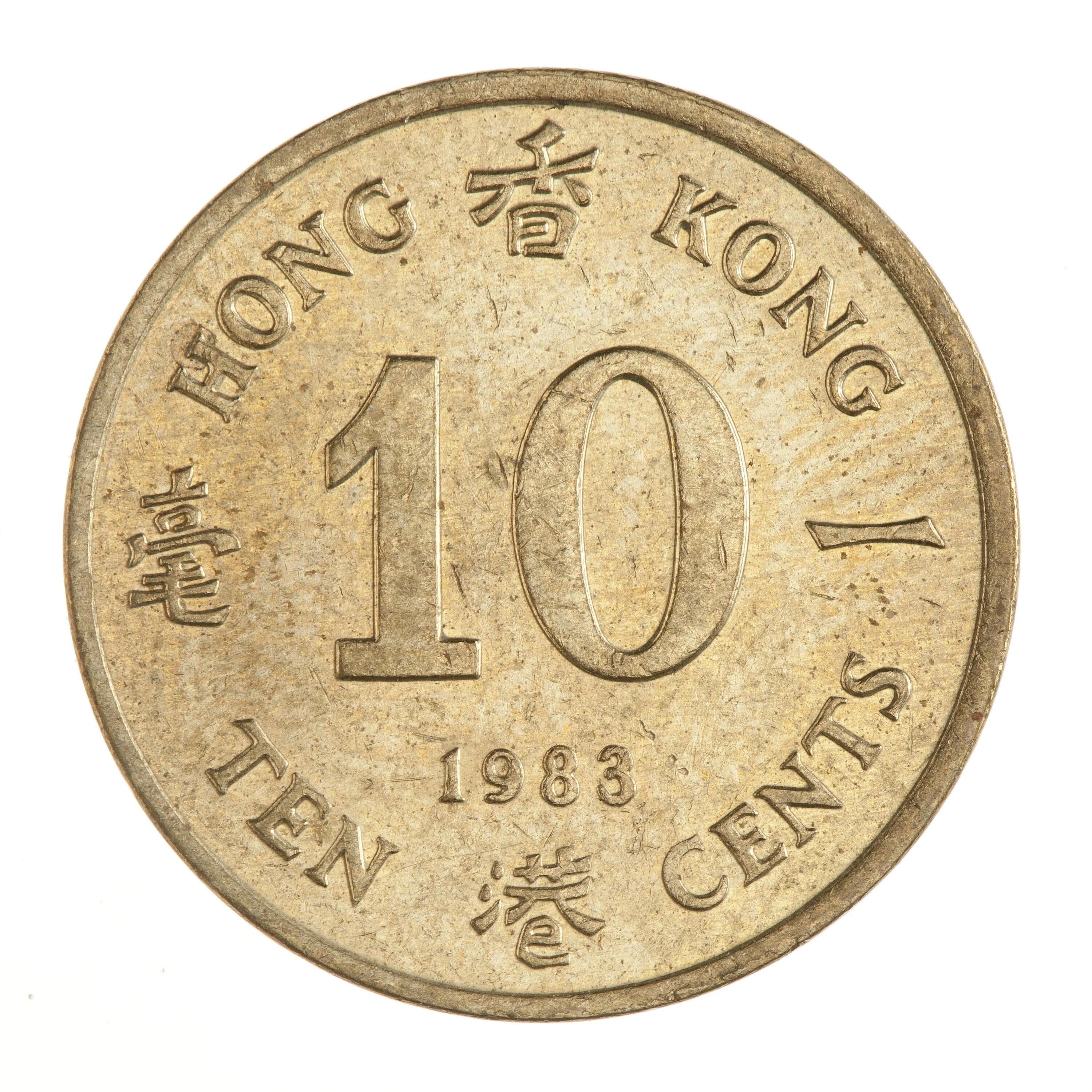
Reverse
Edge
Plain
Mints
| Name | Mark |
|---|---|
| Royal Mint | — |
Mintings
| Year | Mint Mark | Mintage | Quality | Collection |
|---|---|---|---|---|
| 1982 | — | — | ||
| 1983 | — | 110,016,000 | ||
| 1984 | — | 30,016,000 |
Historical background
In 1982, Hong Kong operated under a unique and robust currency board system, pegging its dollar to the British Pound Sterling. This arrangement, established in 1935 and later revised, provided stability but was not without vulnerability. The peg meant Hong Kong's monetary policy was effectively set by the Bank of England, and the Hong Kong dollar's value fluctuated directly with the Pound on international markets. This link had served the colony's trade-oriented economy well for decades, but by the early 1980s, it faced a significant test as the Pound itself experienced considerable volatility due to global economic pressures.
The year was dominated by the looming political question of Hong Kong's future, as negotiations between the United Kingdom and the People's Republic of China over the 1997 handover began in earnest. This political uncertainty created profound anxiety in financial markets, leading to a crisis of confidence in the local currency. Speculation against the Hong Kong dollar intensified, fueled by fears about the territory's post-1997 economic system. Capital began to flow out of Hong Kong, putting severe downward pressure on the currency and testing the limits of the existing peg to the weakening Pound.
These twin pressures—external Sterling volatility and internal political fears—exposed the shortcomings of the existing monetary framework. The currency board maintained convertibility, but the market's loss of faith highlighted the need for a more stable anchor. The situation culminated in a dramatic depreciation of the Hong Kong dollar, which fell sharply against the US Dollar throughout 1982 and into 1983. This turmoil set the stage for the historic monetary reform that would follow in October 1983: the abandonment of the Pound peg and the establishment of a new, steadfast link to the US Dollar at a rate of HK$7.80, a system that remains in place today.
The year was dominated by the looming political question of Hong Kong's future, as negotiations between the United Kingdom and the People's Republic of China over the 1997 handover began in earnest. This political uncertainty created profound anxiety in financial markets, leading to a crisis of confidence in the local currency. Speculation against the Hong Kong dollar intensified, fueled by fears about the territory's post-1997 economic system. Capital began to flow out of Hong Kong, putting severe downward pressure on the currency and testing the limits of the existing peg to the weakening Pound.
These twin pressures—external Sterling volatility and internal political fears—exposed the shortcomings of the existing monetary framework. The currency board maintained convertibility, but the market's loss of faith highlighted the need for a more stable anchor. The situation culminated in a dramatic depreciation of the Hong Kong dollar, which fell sharply against the US Dollar throughout 1982 and into 1983. This turmoil set the stage for the historic monetary reform that would follow in October 1983: the abandonment of the Pound peg and the establishment of a new, steadfast link to the US Dollar at a rate of HK$7.80, a system that remains in place today.
🌱 Very Common