

½ Falus – Morocco
Morocco
Context
Year: 1805
Islamic (Hijri) Year: 1219
Issuer: Morocco 
Ruler: Moulay Sulayman
Currency:
(1659—1882)
Demonetized: Yes
References
KM: #Click to copy to clipboard92.4
Numista: #157217
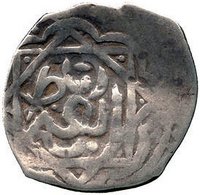
Obverse
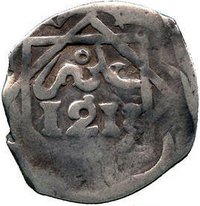
Reverse
Edge
Mintings
| Year | Mint Mark | Mintage | Quality | Collection |
|---|---|---|---|---|
| 1805 | — | — |
Historical background
In 1805, the currency situation in the Moroccan Sultanate under Sultan Moulay Slimane was characterized by a complex and often unstable bimetallic system, heavily influenced by foreign trade and internal tribal politics. The official currency was based on the silver dirham and the gold benduqi (or mithqal), with their values theoretically fixed by the Makhzen (central government). However, the actual circulation was dominated by a bewildering variety of foreign coins, particularly Spanish silver reales (pieces of eight) and Portuguese gold cruzados, which entered the country through maritime trade, tributes from European powers, and the activities of corsairs. This created a de facto reliance on external specie, as the Sultanate's own minting capacity in cities like Fez and Marrakech was inconsistent and could not meet the economy's needs.
This reliance on foreign coinage led to chronic monetary instability. The value of currencies fluctuated not only with international trade flows but also with the Sultan's fluctuating control over coastal ports and interior trade routes. Periods of weak central authority, which were not uncommon, saw tribal regions and local markets setting their own exchange rates, further fragmenting the monetary landscape. Furthermore, a persistent shortage of small-denomination coinage for everyday transactions plagued the local economy, often forcing the use of cut fragments of larger coins (kharub) or barter in rural markets, hindering commercial efficiency.
Sultan Moulay Slimane, a ruler more inclined towards religious scholarship and isolationist policies than his predecessor, faced significant challenges in reforming this system. His attempts to assert monetary control were undermined by his gradual withdrawal from Atlantic trade, which reduced state revenue and the inflow of foreign silver, and by his often contentious relations with the powerful tribal confederations. Consequently, the currency situation in 1805 reflected a broader theme of the era: a traditional empire struggling to maintain economic sovereignty and internal cohesion amidst growing European commercial influence and domestic decentralization.
This reliance on foreign coinage led to chronic monetary instability. The value of currencies fluctuated not only with international trade flows but also with the Sultan's fluctuating control over coastal ports and interior trade routes. Periods of weak central authority, which were not uncommon, saw tribal regions and local markets setting their own exchange rates, further fragmenting the monetary landscape. Furthermore, a persistent shortage of small-denomination coinage for everyday transactions plagued the local economy, often forcing the use of cut fragments of larger coins (kharub) or barter in rural markets, hindering commercial efficiency.
Sultan Moulay Slimane, a ruler more inclined towards religious scholarship and isolationist policies than his predecessor, faced significant challenges in reforming this system. His attempts to assert monetary control were undermined by his gradual withdrawal from Atlantic trade, which reduced state revenue and the inflow of foreign silver, and by his often contentious relations with the powerful tribal confederations. Consequently, the currency situation in 1805 reflected a broader theme of the era: a traditional empire struggling to maintain economic sovereignty and internal cohesion amidst growing European commercial influence and domestic decentralization.

✨ Legendary