

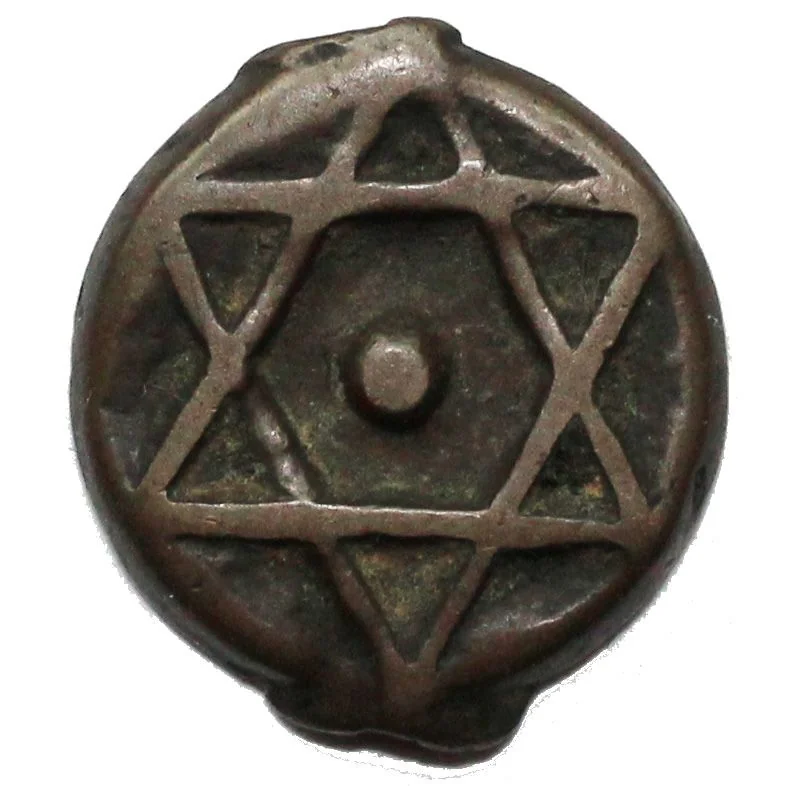
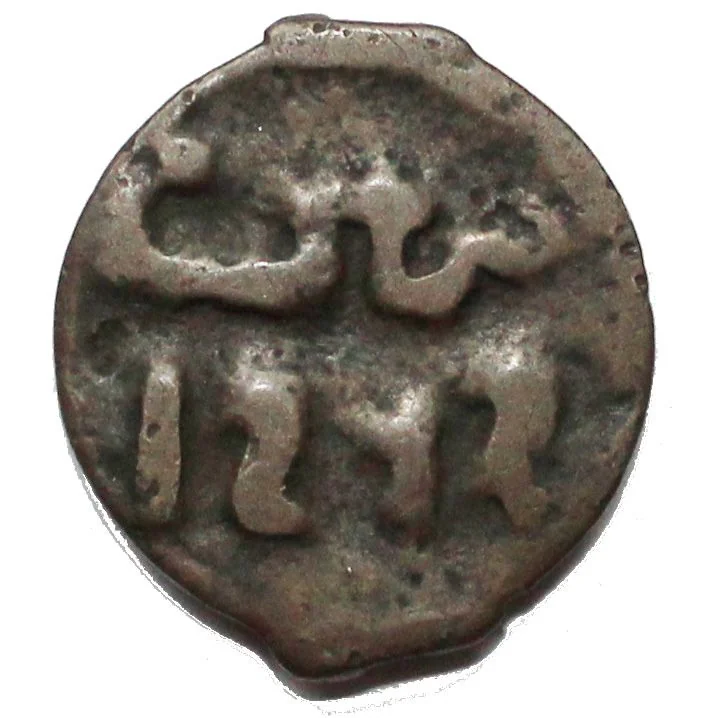
1 Falus – Morocco
Morocco
Context
Years: 1826–1834
Issuer: Morocco 
Ruler: Moulay ‘Abd al-Rahman
Currency:
(1659—1882)
Demonetized: Yes
Material
References
Numista: #157179
Mintings
| Year | Mint Mark | Mintage | Quality | Collection |
|---|---|---|---|---|
| 1826 | — | — | ||
| 1827 | — | — | ||
| 1828 | — | — | ||
| 1830 | — | — | ||
| 1834 | — | — |
Historical background
In 1826, Morocco's currency situation was characterized by significant instability and complexity, rooted in both internal fiscal mismanagement and intense foreign economic pressure. The Alawite Sultanate, under Moulay Abderrahmane, struggled with a severe shortage of silver coinage, the primary medium for state finances and large-scale trade. This shortage was exacerbated by a chronic trade deficit with Europe, which drained silver dirhams and gold benduqi out of the country in exchange for manufactured goods, while European merchants often insisted on payment in precious metal rather than goods. Consequently, the state's minting activity became erratic, and the value of coins fluctuated wildly based on their metal content and wear.
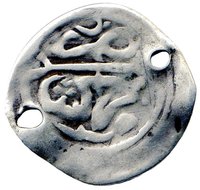
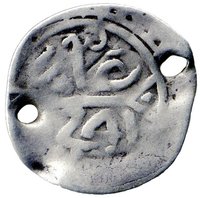
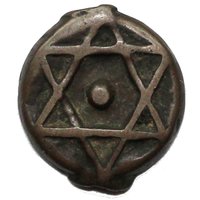
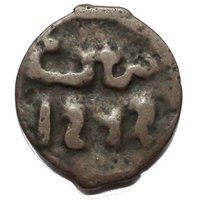
The monetary system was a fragmented bimetallic system, but in practice, it devolved into a chaotic mix of undervalued official coinage and a plethora of older, clipped, and foreign coins circulating at negotiated values. Spanish silver pesos (pieces of eight), Austrian thalers, and other European coins often circulated more freely and were more trusted in port cities than the debased Sultanic coinage. This led to a de facto dual system where international trade was conducted in foreign specie, while the local economy suffered from a degraded and insufficient money supply. The government's attempts to introduce a new copper falus for small transactions often failed due to public mistrust and lack of uniform acceptance.
This monetary crisis was a direct symptom of Morocco's weakening position in the face of European industrial and commercial power. The inability to control its currency undermined state revenue, hampered economic development, and increased dependency on foreign merchants and lenders. The situation in 1826 thus represented a critical point in Morocco's 19th-century financial history, presaging the deeper fiscal crises and eventual foreign financial controls that would be imposed later in the century, eroding its economic sovereignty.
The monetary system was a fragmented bimetallic system, but in practice, it devolved into a chaotic mix of undervalued official coinage and a plethora of older, clipped, and foreign coins circulating at negotiated values. Spanish silver pesos (pieces of eight), Austrian thalers, and other European coins often circulated more freely and were more trusted in port cities than the debased Sultanic coinage. This led to a de facto dual system where international trade was conducted in foreign specie, while the local economy suffered from a degraded and insufficient money supply. The government's attempts to introduce a new copper falus for small transactions often failed due to public mistrust and lack of uniform acceptance.
This monetary crisis was a direct symptom of Morocco's weakening position in the face of European industrial and commercial power. The inability to control its currency undermined state revenue, hampered economic development, and increased dependency on foreign merchants and lenders. The situation in 1826 thus represented a critical point in Morocco's 19th-century financial history, presaging the deeper fiscal crises and eventual foreign financial controls that would be imposed later in the century, eroding its economic sovereignty.
Series: 1826 Morocco circulation coins

💎 Extremely Rare