

1 Benduqi – Morocco
Morocco
Context
Year: 1832
Islamic (Hijri) Year: 1247
Issuer: Morocco 
Ruler: Moulay ‘Abd al-Rahman
Currency:
(1659—1882)
Demonetized: Yes
References
Numista: #157128
Value
Bullion value: $588.35
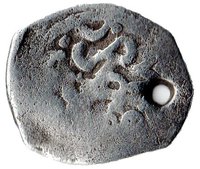
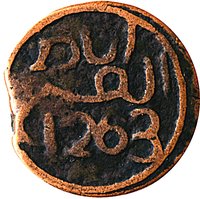
Obverse
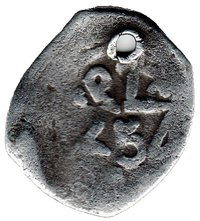
Reverse
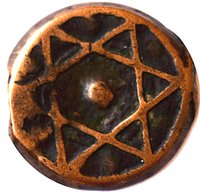
Edge
Mintings
| Year | Mint Mark | Mintage | Quality | Collection |
|---|---|---|---|---|
| 1832 | — | — |
Historical background
In 1832, Morocco's currency situation was characterized by a complex and fragmented system, deeply tied to its political instability and economic pressures. The country operated on a bimetallic standard, with gold benduqi and silver dirhams circulating alongside a plethora of foreign coins, particularly Spanish piastres (reales) and Austrian thalers. The authority to mint coins was a prerogative of the Sultan, Moulay Abd al-Rahman, but the central government's control was weak, leading to irregular minting, varying purities, and widespread counterfeiting. This lack of standardization created significant challenges for both domestic trade and international commerce.
The period was one of profound financial strain for the Makhzen (the Moroccan state). The recent French conquest of Algiers in 1830 had destabilized the region, leading to increased military expenditures and refugee influxes. Furthermore, Morocco was facing growing European economic encroachment and was burdened by heavy indemnities imposed after its defeat in the Franco-Moroccan War of 1844—a conflict whose roots lay in the 1830s support for Emir Abdelkader. These pressures drained the treasury, leading to currency debasement as a short-term fiscal measure, which in turn fueled inflation and eroded public trust in the coinage.
Consequently, the monetary landscape was one of localized and inconsistent value. Exchange rates between the different metallic coins fluctuated not only by weight and purity but also by region and the whims of local money changers (sarrāfs). This fragmentation mirrored the Sultanate's struggle to assert centralized control over its territories and economy. The currency disorder of 1832 thus reflected a traditional North African state under acute stress, attempting to maintain its fiscal sovereignty while navigating the escalating political and commercial demands of European powers.
The period was one of profound financial strain for the Makhzen (the Moroccan state). The recent French conquest of Algiers in 1830 had destabilized the region, leading to increased military expenditures and refugee influxes. Furthermore, Morocco was facing growing European economic encroachment and was burdened by heavy indemnities imposed after its defeat in the Franco-Moroccan War of 1844—a conflict whose roots lay in the 1830s support for Emir Abdelkader. These pressures drained the treasury, leading to currency debasement as a short-term fiscal measure, which in turn fueled inflation and eroded public trust in the coinage.
Consequently, the monetary landscape was one of localized and inconsistent value. Exchange rates between the different metallic coins fluctuated not only by weight and purity but also by region and the whims of local money changers (sarrāfs). This fragmentation mirrored the Sultanate's struggle to assert centralized control over its territories and economy. The currency disorder of 1832 thus reflected a traditional North African state under acute stress, attempting to maintain its fiscal sovereignty while navigating the escalating political and commercial demands of European powers.

✨ Legendary