

1 falus – Morocco
Add to wishlist
Morocco
Context
Year: 1863
Islamic (Hijri) Year:: 1279
Issuer: Morocco
Ruler: Sidi Muhammad IV
Currency:
(1659—1882)
Demonetized: Yes
References
Numista: #157034
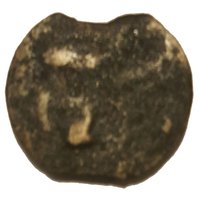
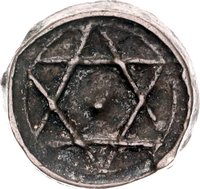
Obverse
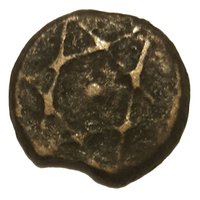
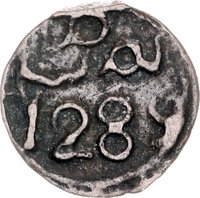
Reverse
Edge
Mintings
| Year | Mint Mark | Mintage | Quality | Collection |
|---|---|---|---|---|
| 1863 | — | — |
Historical background
In 1863, Morocco found itself in a precarious financial position, caught between the pressures of European imperialism and its own internal economic structures. The traditional monetary system was a complex bimetallic one, relying on both silver dirhams and gold benduqi, but it was increasingly destabilized by a global shortage of silver and the influx of debased European coins. This chaotic circulation, with varying valuations across regions and frequent counterfeiting, crippled domestic trade and made international commerce fraught with difficulty, undermining the authority of the Alawite Sultanate.
The situation reached a critical point due to the aftermath of the Hispano-Moroccan War (1859-60). Morocco's defeat resulted in a massive war indemnity of 100 million pesetas owed to Spain, a debt it could not pay. This forced the Makhzen (government) to seek its first major foreign loan in 1863, arranged by the British banking house of Moses Montefiore. The loan, however, came with severe conditions that entrenched European financial control, including the hypothecation of customs revenues from Morocco's vital Atlantic ports to service the debt.
Consequently, 1863 marked a pivotal turn toward foreign financial domination and a loss of fiscal sovereignty. The loan and the ongoing currency instability directly led to the establishment of a state bank, which failed within years, and set the stage for further European intervention. This financial crisis weakened the central government, exacerbated social unrest, and became a key factor in the subsequent diplomatic and economic concessions that would culminate in the establishment of French and Spanish protectorates decades later.
The situation reached a critical point due to the aftermath of the Hispano-Moroccan War (1859-60). Morocco's defeat resulted in a massive war indemnity of 100 million pesetas owed to Spain, a debt it could not pay. This forced the Makhzen (government) to seek its first major foreign loan in 1863, arranged by the British banking house of Moses Montefiore. The loan, however, came with severe conditions that entrenched European financial control, including the hypothecation of customs revenues from Morocco's vital Atlantic ports to service the debt.
Consequently, 1863 marked a pivotal turn toward foreign financial domination and a loss of fiscal sovereignty. The loan and the ongoing currency instability directly led to the establishment of a state bank, which failed within years, and set the stage for further European intervention. This financial crisis weakened the central government, exacerbated social unrest, and became a key factor in the subsequent diplomatic and economic concessions that would culminate in the establishment of French and Spanish protectorates decades later.
✨ Legendary