

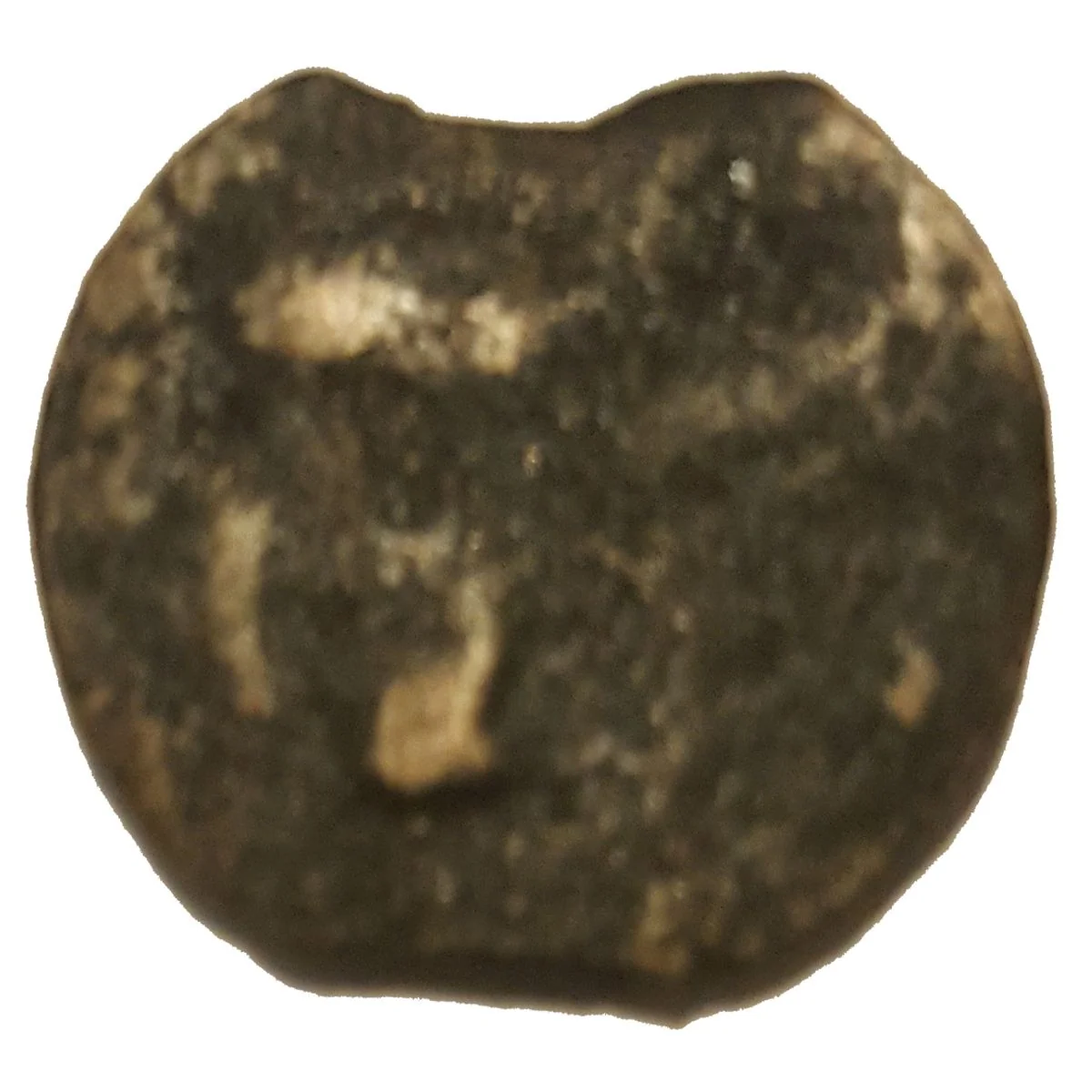
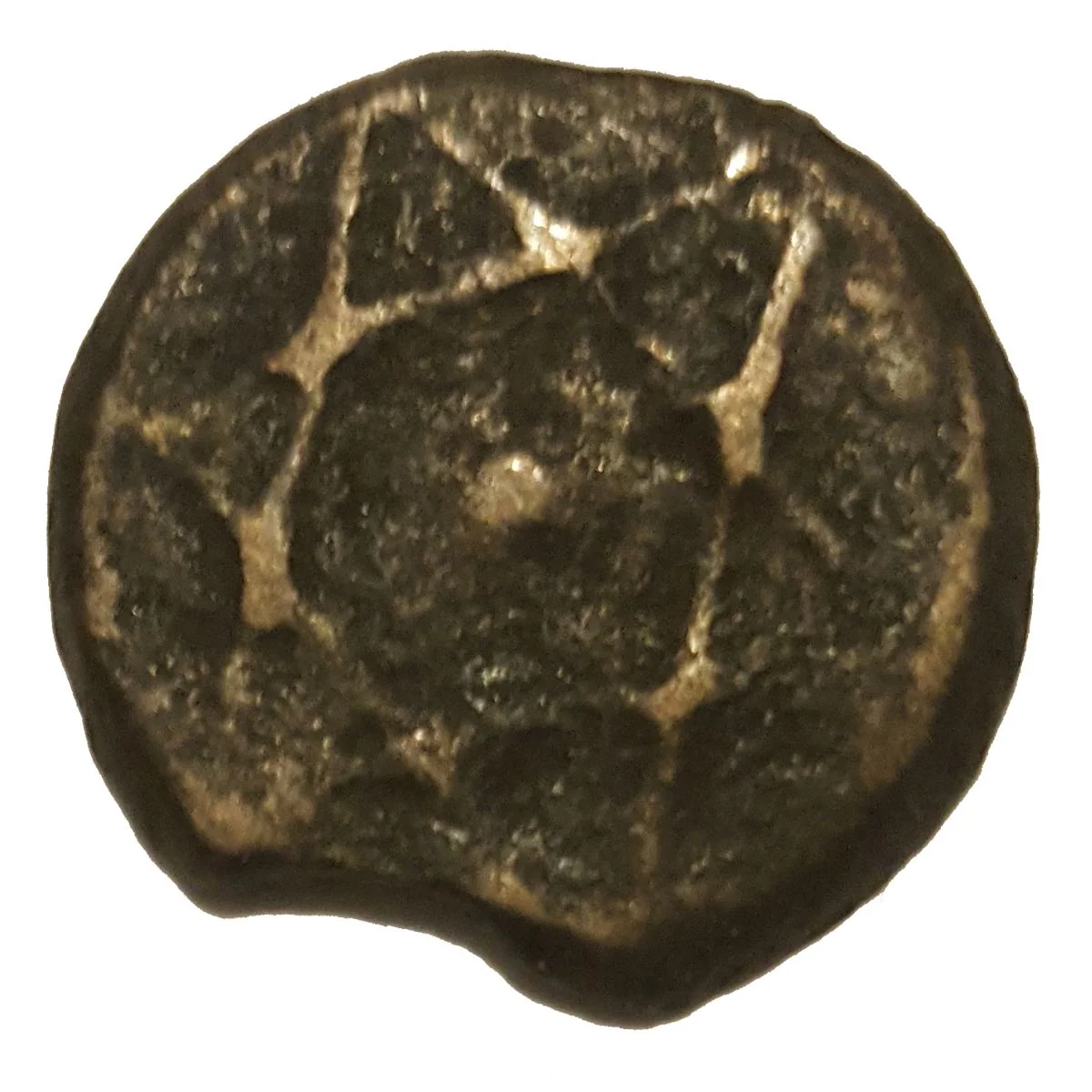
½ falus – Morocco
Add to wishlist
Morocco
Context
Year: 1862
Islamic (Hijri) Year:: 1278
Issuer: Morocco
Ruler: Sidi Muhammad IV
Currency:
(1659—1882)
Demonetized: Yes
References
Numista: #157032
Obverse
Reverse
Inscription:
Seal of Solomon
Edge
Mintings
| Year | Mint Mark | Mintage | Quality | Collection |
|---|---|---|---|---|
| 1862 | — | — |
Historical background
In 1862, Morocco's currency situation was characterized by profound instability and complexity, rooted in the country's increasing integration into the global economy and its concurrent political decline. The monetary system was a chaotic mix of domestic and foreign coinage. Domestically, the primary silver coin was the dirham, but its weight and purity were inconsistent, varying by mint and ruler. Alongside it circulated a plethora of foreign coins, most notably the Spanish peseta and the British sovereign, which were often preferred for international trade. This lack of a unified, trusted national currency created confusion in commerce and facilitated rampant speculation.
The core of the crisis was a severe shortage of silver, the basis of the currency. Morocco's chronic trade deficits, exacerbated by expensive imports of European manufactured goods, led to a constant drain of silver bullion out of the country. To finance the state and the lavish court of Sultan Mohammed IV, the Makhzen (government) repeatedly debased the silver coinage by reducing its silver content, a practice known as ta'rif. This further eroded public trust, causing Gresham's Law to take hold—"bad" debased money drove "good" full-weight coins out of circulation, either into hoards or for export.
This monetary chaos had dire consequences. It crippled domestic trade, fueled inflation for basic goods, and severely weakened the central government's fiscal authority. The situation made Morocco vulnerable to European financial pressure, as foreign merchants and diplomats often demanded payment in stable foreign coinage. Thus, the currency crisis of 1862 was not merely an economic issue but a stark symptom of the broader challenges facing the Sherifian Empire as it struggled to maintain its sovereignty in the face of European imperial encroachment and internal structural weaknesses.
The core of the crisis was a severe shortage of silver, the basis of the currency. Morocco's chronic trade deficits, exacerbated by expensive imports of European manufactured goods, led to a constant drain of silver bullion out of the country. To finance the state and the lavish court of Sultan Mohammed IV, the Makhzen (government) repeatedly debased the silver coinage by reducing its silver content, a practice known as ta'rif. This further eroded public trust, causing Gresham's Law to take hold—"bad" debased money drove "good" full-weight coins out of circulation, either into hoards or for export.
This monetary chaos had dire consequences. It crippled domestic trade, fueled inflation for basic goods, and severely weakened the central government's fiscal authority. The situation made Morocco vulnerable to European financial pressure, as foreign merchants and diplomats often demanded payment in stable foreign coinage. Thus, the currency crisis of 1862 was not merely an economic issue but a stark symptom of the broader challenges facing the Sherifian Empire as it struggled to maintain its sovereignty in the face of European imperial encroachment and internal structural weaknesses.

✨ Legendary