

2 falus – Morocco
Add to wishlist
Morocco
Context
References
Numista: #157029
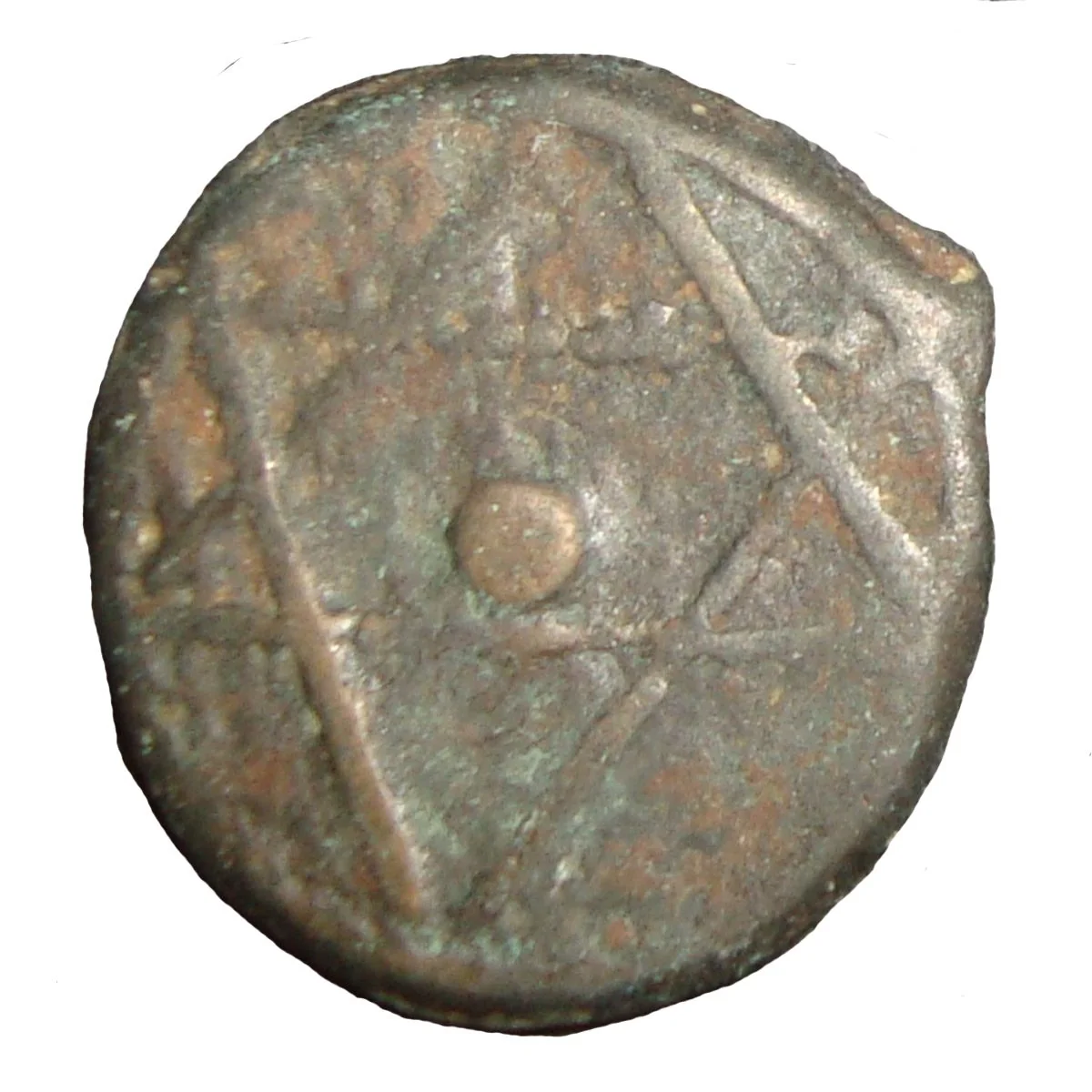
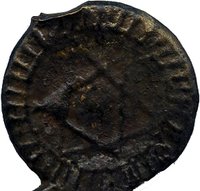
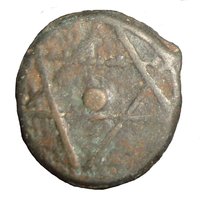
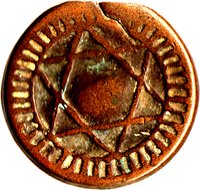
Obverse
Description:
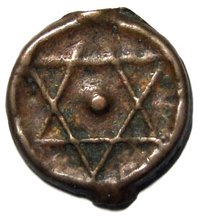
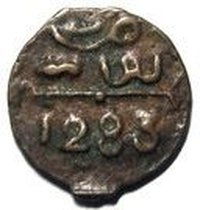
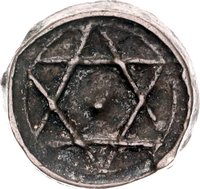
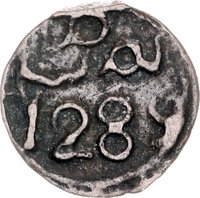
Solomon's signet ring.
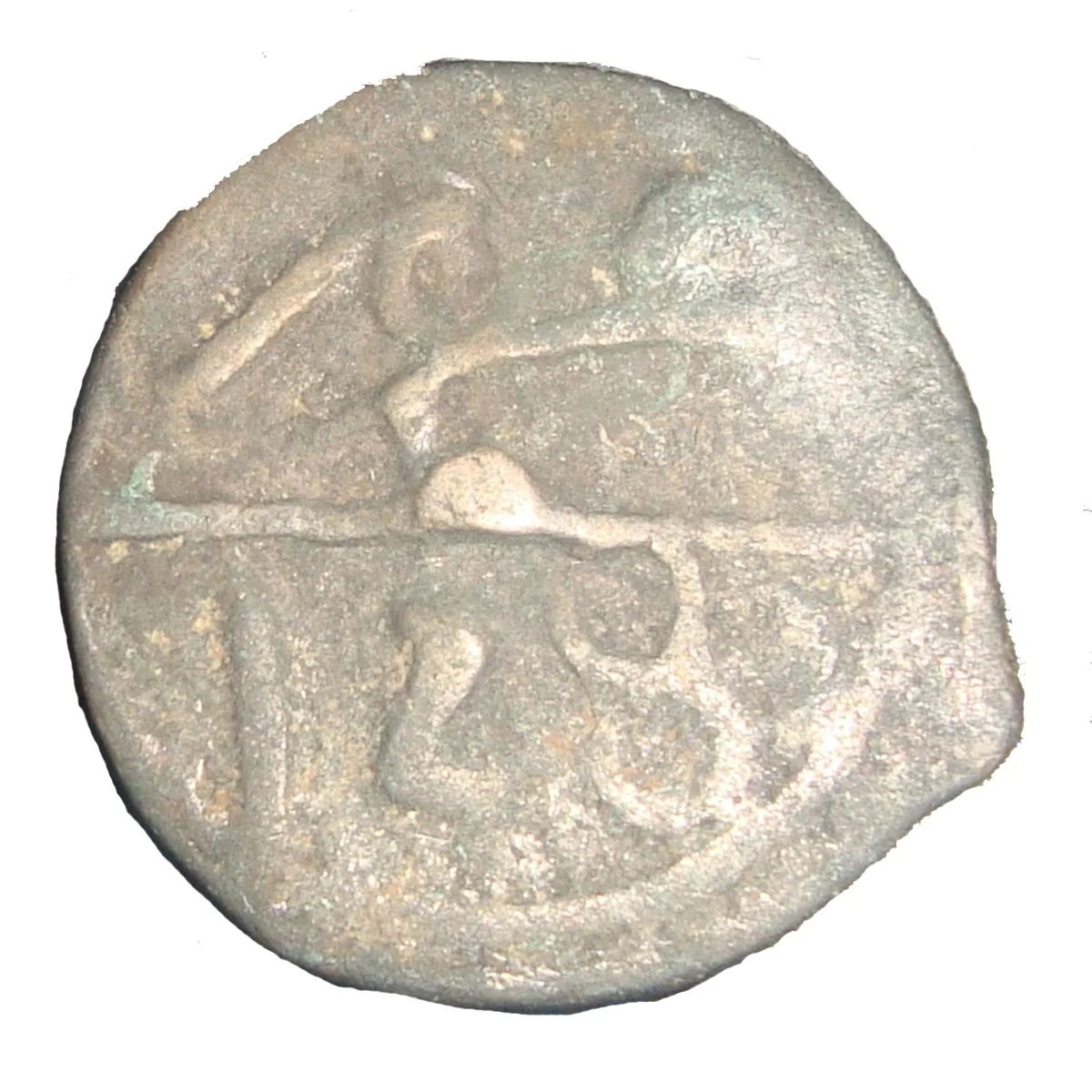
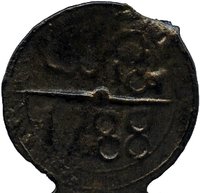
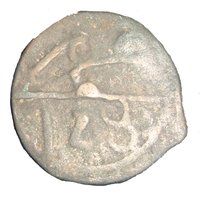
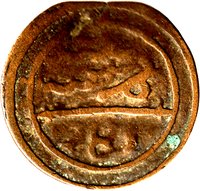
Reverse
Edge
Mintings
| Year | Mint Mark | Mintage | Quality | Collection |
|---|---|---|---|---|
| 1864 | — | — | ||
| 1865 | — | — |
Historical background
In 1864, Morocco's currency situation was characterized by severe instability and devaluation, driven by a combination of external debt, internal mismanagement, and global economic pressures. Following a costly war with Spain (1859-1860), the Moroccan Makhzen (government) under Sultan Mohammed IV was burdened with a massive indemnity of 100 million pesetas. To pay this, the treasury resorted to debasing the silver dirham, the country's principal coin, by reducing its silver content and increasing mint output. This led to rampant inflation, a loss of public confidence in the currency, and the proliferation of a bewildering variety of coins of differing weights and purities in circulation.
The crisis was exacerbated by Morocco's integration into the global financial system. European merchants and diplomats, operating under the protections of the "Capitulations," demanded payment in high-quality Spanish silver duros (pesetas) or other foreign currencies, creating a dual monetary system. Internally, the devalued dirham failed, while externally, the state needed sound foreign currency to service its debt and conduct trade. This drain of full-bodied coinage from the economy, coupled with a trade deficit, caused acute shortages of reliable money. The traditional bureau de change (sarrafs) struggled to establish exchange rates amidst the chaos, further hampering commerce.
Recognizing the dire need for reform, Sultan Mohammed IV initiated a pivotal monetary restructuring in 1864. He introduced a new, standardized silver coin, the Muhammadi dirham (or ryal), with a fixed weight and purity, aiming to restore trust and unify the currency system. This reform, while a critical step toward modernization, had limited immediate success. The underlying issues of foreign debt, fiscal pressure, and economic dependency persisted, meaning the currency remained vulnerable to manipulation and speculation throughout the late 19th century, symbolizing Morocco's broader struggles with sovereignty and modernization in the face of European imperial encroachment.
The crisis was exacerbated by Morocco's integration into the global financial system. European merchants and diplomats, operating under the protections of the "Capitulations," demanded payment in high-quality Spanish silver duros (pesetas) or other foreign currencies, creating a dual monetary system. Internally, the devalued dirham failed, while externally, the state needed sound foreign currency to service its debt and conduct trade. This drain of full-bodied coinage from the economy, coupled with a trade deficit, caused acute shortages of reliable money. The traditional bureau de change (sarrafs) struggled to establish exchange rates amidst the chaos, further hampering commerce.
Recognizing the dire need for reform, Sultan Mohammed IV initiated a pivotal monetary restructuring in 1864. He introduced a new, standardized silver coin, the Muhammadi dirham (or ryal), with a fixed weight and purity, aiming to restore trust and unify the currency system. This reform, while a critical step toward modernization, had limited immediate success. The underlying issues of foreign debt, fiscal pressure, and economic dependency persisted, meaning the currency remained vulnerable to manipulation and speculation throughout the late 19th century, symbolizing Morocco's broader struggles with sovereignty and modernization in the face of European imperial encroachment.
Series: 1864 Morocco circulation coins
✨ Legendary