

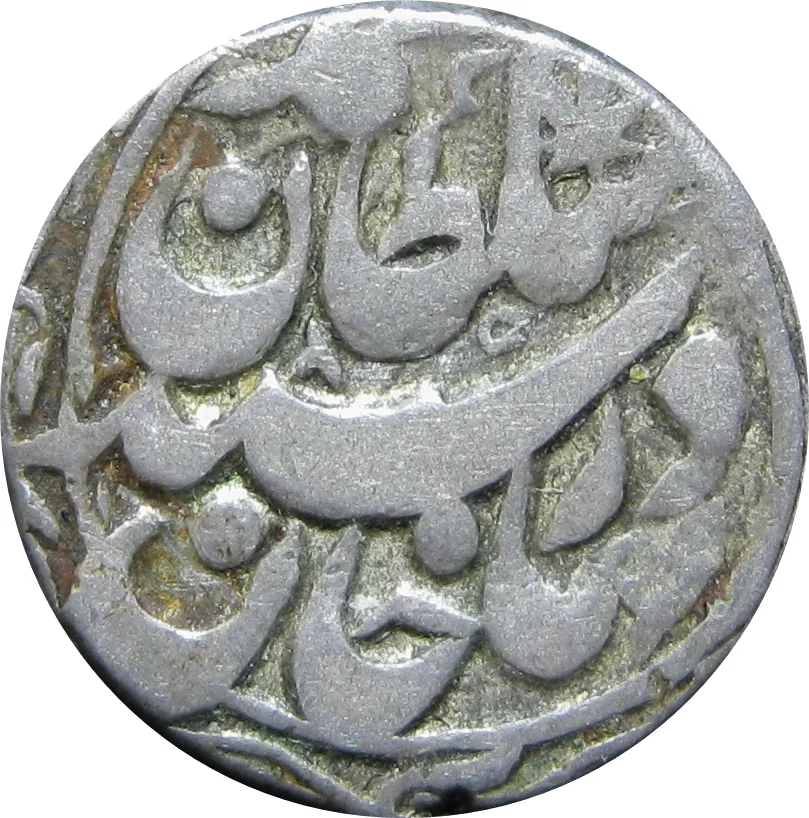
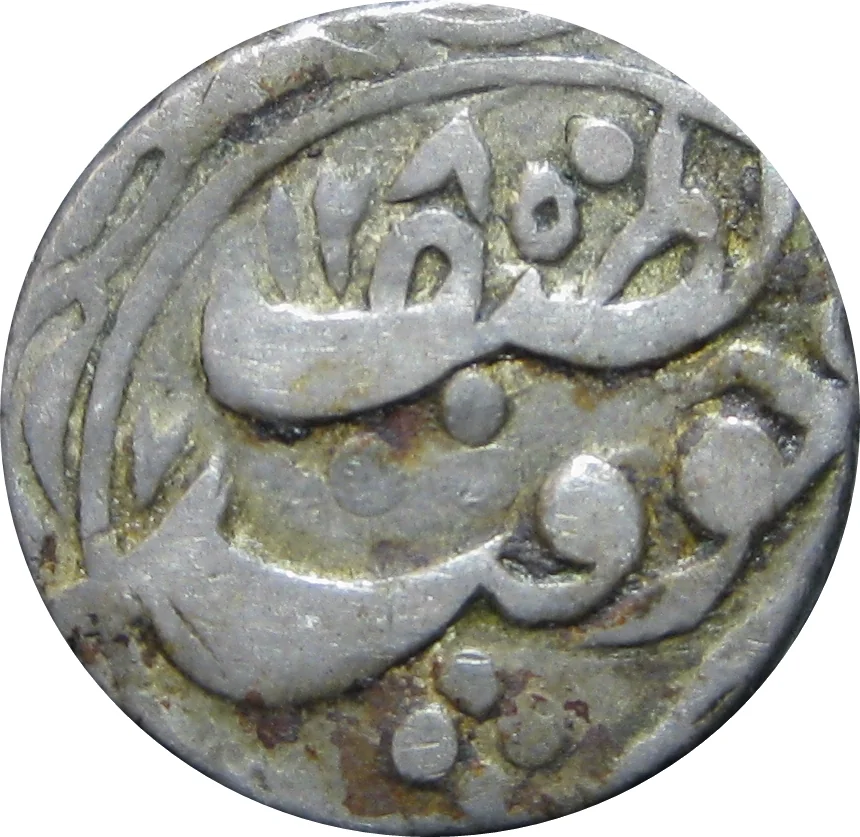
1 Tenga – Khoqand Khanate
Context
Years: 1864–1869
Country: Central Asia
Issuer: Khoqand Khanate
Ruler: Muhammad Sultan Khan
Currency:
(1796—1876)
Demonetized: Yes
Material
Diameter: 15.8 mm
Weight: 2.9 g
Silver weight: 2.90 g
Thickness: 1.8 mm
Shape: Irregular round
Composition: Silver
Magnetic: No
References
Numista: #155581
Value
Bullion value: $8.20
Mintings
| Year | Mint Mark | Mintage | Quality | Collection |
|---|---|---|---|---|
| 1864 | — | — | ||
| 1865 | — | — | ||
| 1869 | — | — |
Historical background
By 1864, the currency system of the Khoqand Khanate was in a state of severe crisis, mirroring the political and military disintegration of the state itself. The Khanate, a major Central Asian power throughout the early 19th century, had long issued its own silver tanga and copper pul coins, with the quality of the silver currency being a key indicator of the regime's strength and stability. However, decades of extravagant court expenditure, costly military campaigns, and a heavy annual tribute paid to the Russian Empire since the 1850s had drained the treasury. To meet these obligations, successive Khans, particularly Khudayar Khan, resorted to drastic debasement, sharply reducing the silver content in their coinage. This led to a proliferation of poor-quality, lightweight coins that eroded public trust and disrupted regional commerce.
The monetary chaos was exacerbated by intense internal strife. In 1864, Khudayar Khan faced a massive rebellion led by his cousin Alimqul, who championed a populist and anti-Russian cause. As rival factions vied for control, they often minted their own emergency coinage to pay troops and secure loyalty, further flooding the market with unreliable currency. The result was a fractured monetary zone where the value of coins depended less on their face value and more on who issued them and where they were circulated. Merchants and the population at large struggled with price instability and the difficulty of conducting reliable transactions, which crippled the already-weakened economy.
This financial collapse occurred precisely as the Russian Empire was concluding its methodical military conquest of the region. Russian forces captured Chimkent in 1864, bringing them to the very threshold of the Khanate. The internal rebellion and monetary anarchy rendered Khoqand incapable of mounting a unified defense. Thus, the currency crisis of 1864 was both a symptom and a cause of the Khanate's terminal weakness, paving the way for its final annexation by Russia in 1876. The unstable Khoqand coins would soon be replaced by the standardized ruble of the Russian Empire, marking the end of an independent monetary tradition.
The monetary chaos was exacerbated by intense internal strife. In 1864, Khudayar Khan faced a massive rebellion led by his cousin Alimqul, who championed a populist and anti-Russian cause. As rival factions vied for control, they often minted their own emergency coinage to pay troops and secure loyalty, further flooding the market with unreliable currency. The result was a fractured monetary zone where the value of coins depended less on their face value and more on who issued them and where they were circulated. Merchants and the population at large struggled with price instability and the difficulty of conducting reliable transactions, which crippled the already-weakened economy.
This financial collapse occurred precisely as the Russian Empire was concluding its methodical military conquest of the region. Russian forces captured Chimkent in 1864, bringing them to the very threshold of the Khanate. The internal rebellion and monetary anarchy rendered Khoqand incapable of mounting a unified defense. Thus, the currency crisis of 1864 was both a symptom and a cause of the Khanate's terminal weakness, paving the way for its final annexation by Russia in 1876. The unstable Khoqand coins would soon be replaced by the standardized ruble of the Russian Empire, marking the end of an independent monetary tradition.
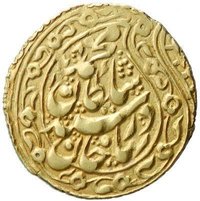
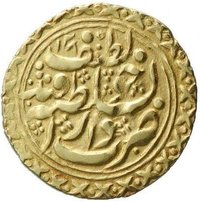
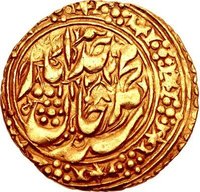
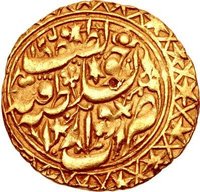
💎 Extremely Rare