

50 cents – Straits Settlements
Add to wishlist
Malaysia
Context
Years: 1886–1901
Country: Malaysia
Issuer: Straits Settlements
Ruler: Victoria
Currency:
(1845—1939)
Demonetized: Yes
Total mintage: 1,321,042
Material
References
KM: #
Numista: #15529
Value
Bullion value: $27.52
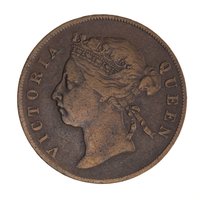
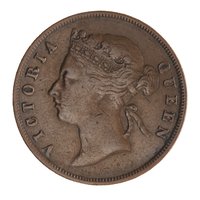
Obverse
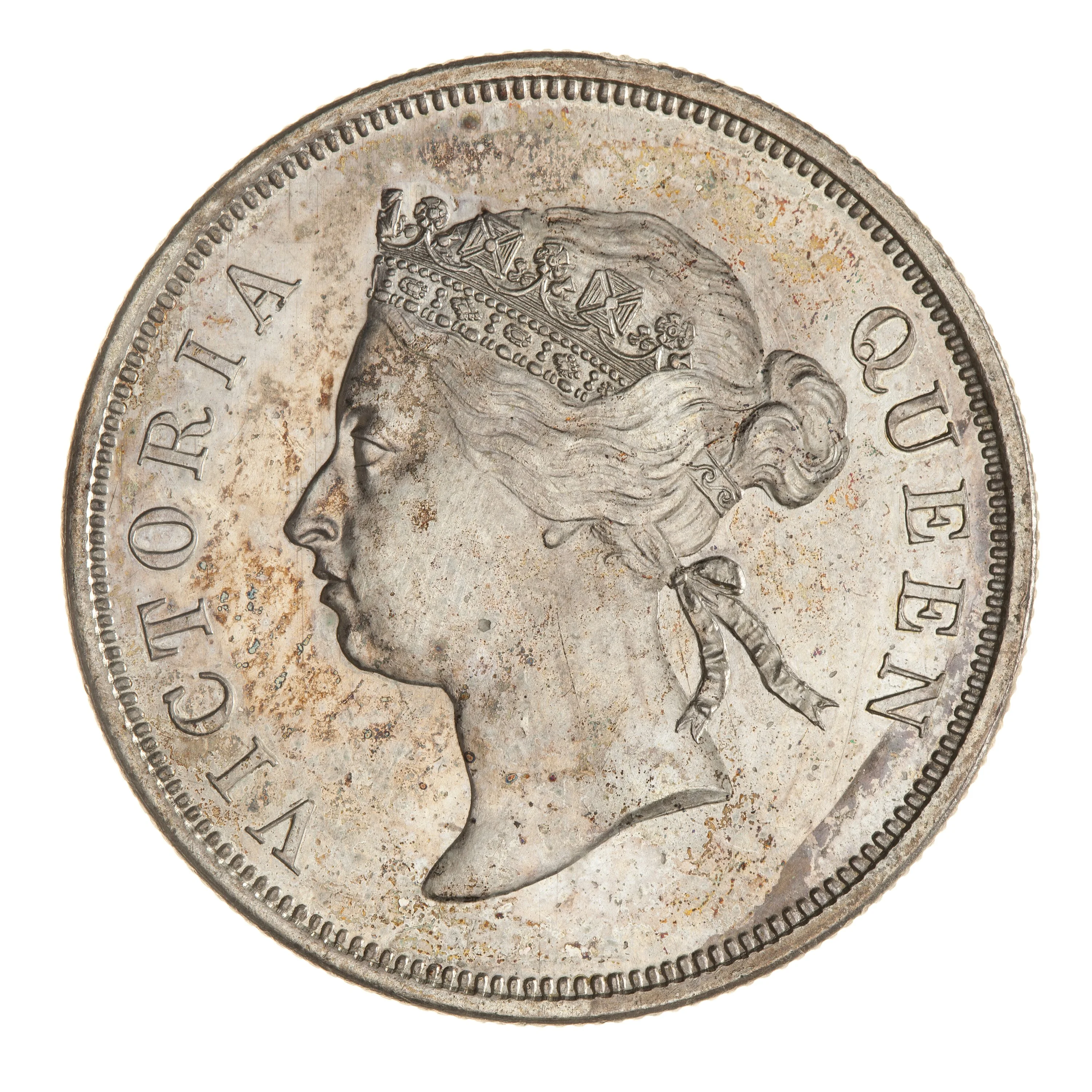
Description:
Crowned left-facing bust.
Inscription:
VICTORIA QUEEN
Script: Latin
Engraver: Leonard Charles Wyon
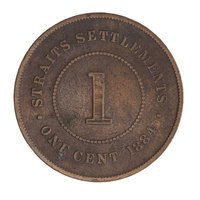
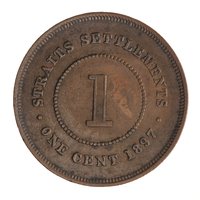
Reverse
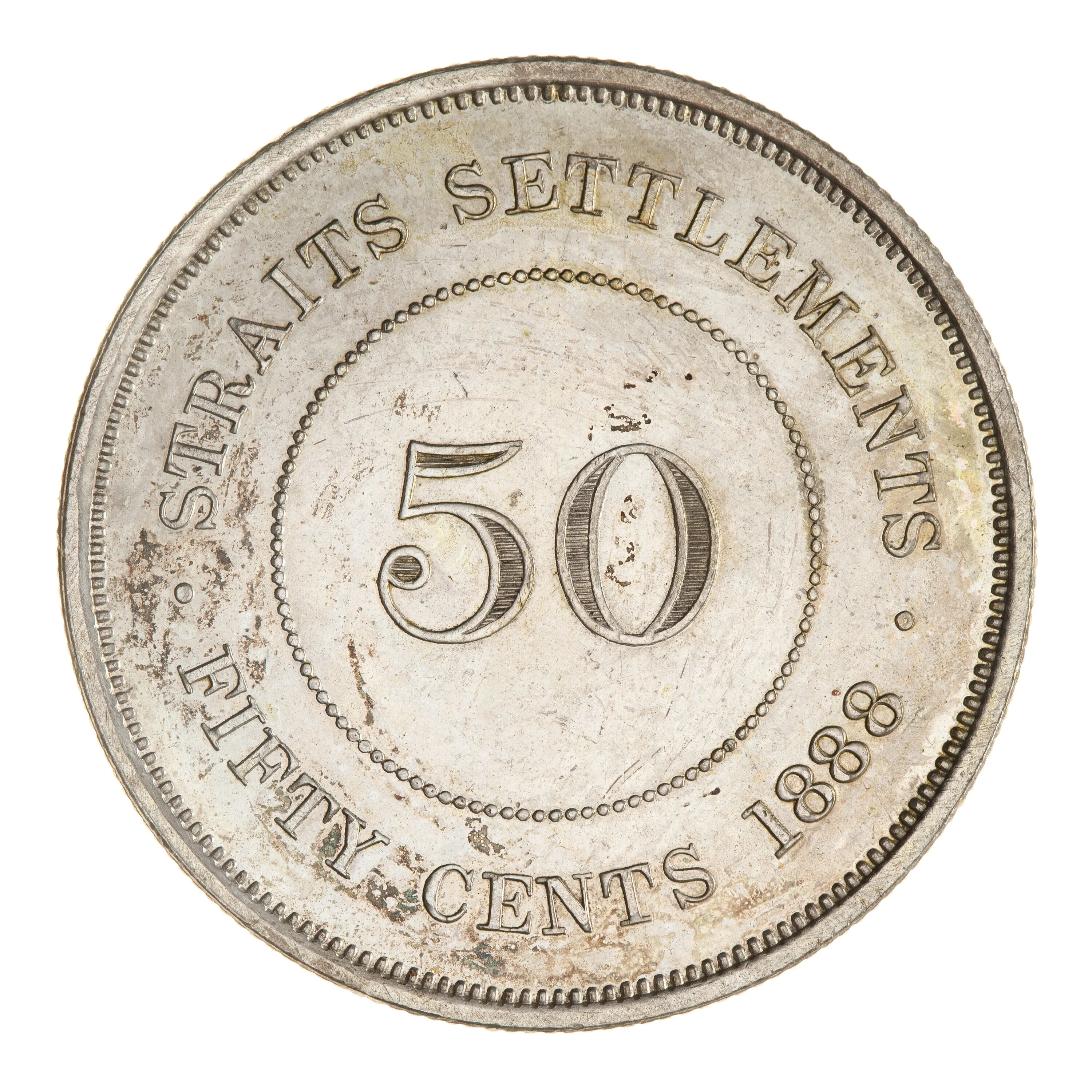
Description:
Denomination in beaded circle, date at lower right.
Inscription:
STRAITS SETTLEMENTS
50
·FIFTY CENTS 1889·
50
·FIFTY CENTS 1889·
Script: Latin
Edge
Reeded
Mints
| Name | Mark |
|---|---|
| Royal Mint (Tower Hill) | — |
| Heaton and Sons / The Mint Birmingham | H |
Mintings
| Year | Mint Mark | Mintage | Quality | Collection |
|---|---|---|---|---|
| 1886 | — | 60,000 | ||
| 1886 | — | — | Proof | |
| 1887 | — | 94,000 | ||
| 1887 | — | — | Proof | |
| 1888 | — | 96,000 | ||
| 1889 | — | 32,042 | ||
| 1890 | H | 42,000 | ||
| 1891 | — | 121,000 | ||
| 1891 | — | — | Proof | |
| 1893 | — | 24,000 | ||
| 1893 | — | — | Proof | |
| 1894 | — | 52,000 | ||
| 1895 | — | 56,000 | ||
| 1896 | — | 120,000 | ||
| 1897 | — | 36,000 | ||
| 1897 | H | 44,000 | ||
| 1898 | — | 160,000 | ||
| 1899 | — | 136,000 | ||
| 1900 | — | 88,000 | ||
| 1900 | H | 40,000 | ||
| 1900 | H | — | Proof | |
| 1901 | — | 120,000 |
Historical background
In 1886, the Straits Settlements (comprising Singapore, Penang, and Malacca) operated under a unique and complex currency system, best described as a de facto sterling exchange standard. The official currency was the British silver dollar and its subsidiary coinage, specifically the "Straits dollar" minted for the colony since 1874. However, the system's stability was entirely dependent on its fixed exchange rate with the gold-based Pound Sterling, set at 1 Straits dollar = 2 shillings 4 pence. This link was maintained not by a central bank but by the government's Currency Commissioners, who would issue local dollars for sterling deposits and redeem them on demand, ensuring confidence.
The system faced significant external pressure due to the global phenomenon of the depreciating price of silver. As a silver-using territory within the British Empire, which was largely on the gold standard, the Straits Settlements was vulnerable to the fluctuating exchange rate between the two metals. The 1880s saw a steady decline in the value of silver against gold, which, in theory, should have made the Straits dollar cheaper relative to the pound. The fixed exchange rate insulated local trade from daily fluctuations, but it created a persistent fear that the colony's silver coinage would be exported as bullion to where the metal had higher value, potentially leading to a currency shortage.
Consequently, 1886 fell within a period of administrative vigilance and debate. The authorities were deeply concerned with maintaining sufficient silver coin reserves to uphold the fixed parity and facilitate vibrant trade, which relied heavily on a stable medium of exchange. This situation would ultimately lead to a more definitive move, culminating in the Straits Settlements officially adopting a gold exchange standard in 1903, which severed the direct link between the circulating coin and its intrinsic silver value, firmly pegging the currency to sterling alone. Thus, 1886 represents a point of managed tension within a successful, but increasingly anachronistic, monetary experiment in a major commercial hub of the East.
The system faced significant external pressure due to the global phenomenon of the depreciating price of silver. As a silver-using territory within the British Empire, which was largely on the gold standard, the Straits Settlements was vulnerable to the fluctuating exchange rate between the two metals. The 1880s saw a steady decline in the value of silver against gold, which, in theory, should have made the Straits dollar cheaper relative to the pound. The fixed exchange rate insulated local trade from daily fluctuations, but it created a persistent fear that the colony's silver coinage would be exported as bullion to where the metal had higher value, potentially leading to a currency shortage.
Consequently, 1886 fell within a period of administrative vigilance and debate. The authorities were deeply concerned with maintaining sufficient silver coin reserves to uphold the fixed parity and facilitate vibrant trade, which relied heavily on a stable medium of exchange. This situation would ultimately lead to a more definitive move, culminating in the Straits Settlements officially adopting a gold exchange standard in 1903, which severed the direct link between the circulating coin and its intrinsic silver value, firmly pegging the currency to sterling alone. Thus, 1886 represents a point of managed tension within a successful, but increasingly anachronistic, monetary experiment in a major commercial hub of the East.
🌟 Limited