

1 Lilangeni – Kingdom of Swaziland
Eswatini
Context
Year: 1992
Country: Eswatini 
Issuer: Kingdom of Swaziland
Ruler: Mswati III
Currency:
(1974—2018)
Demonetization: 1 February 2016
Material
References
KM: #Click to copy to clipboard44.2
Numista: #15432
Value
Exchange value: 1 SZL
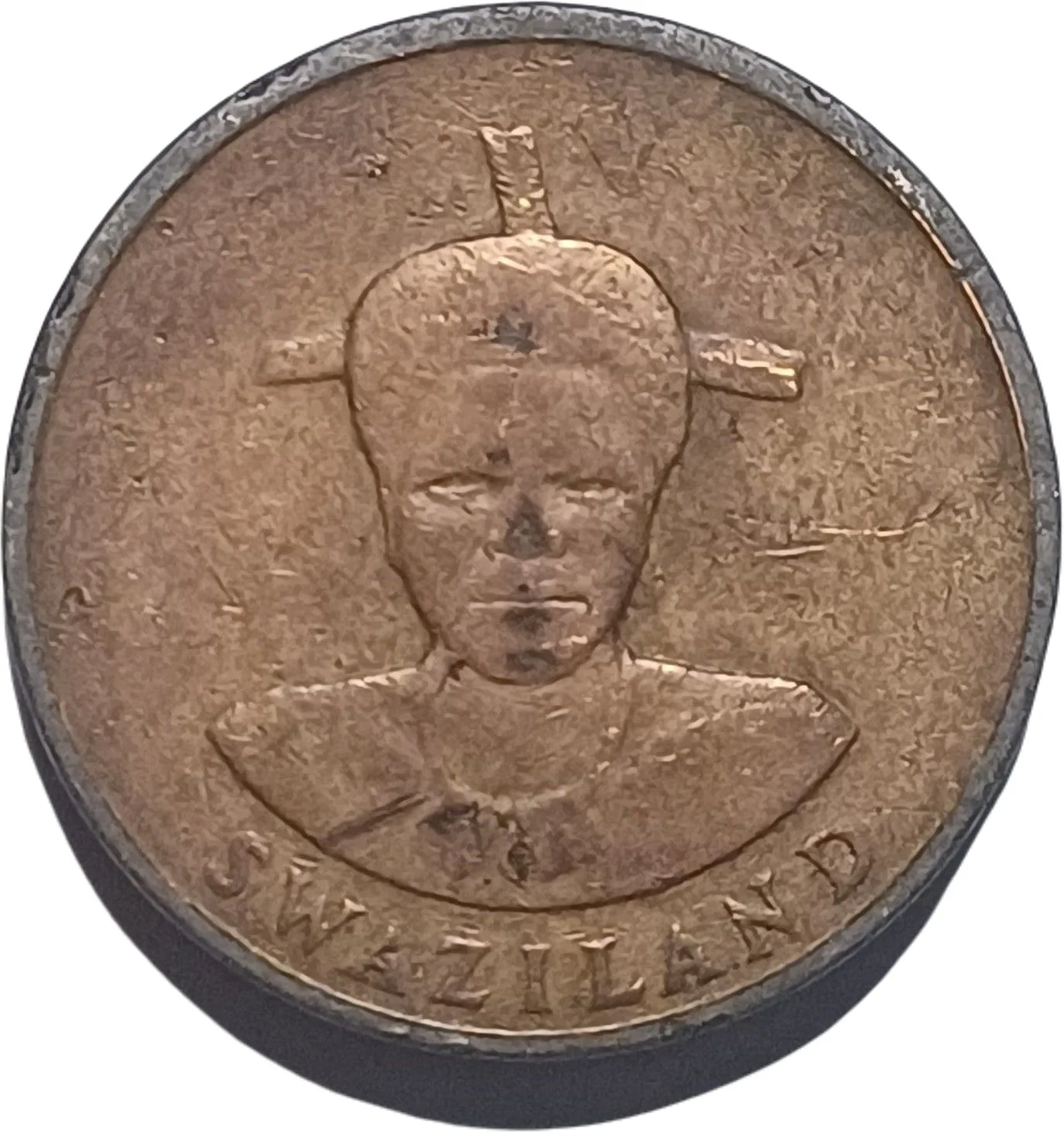
Obverse
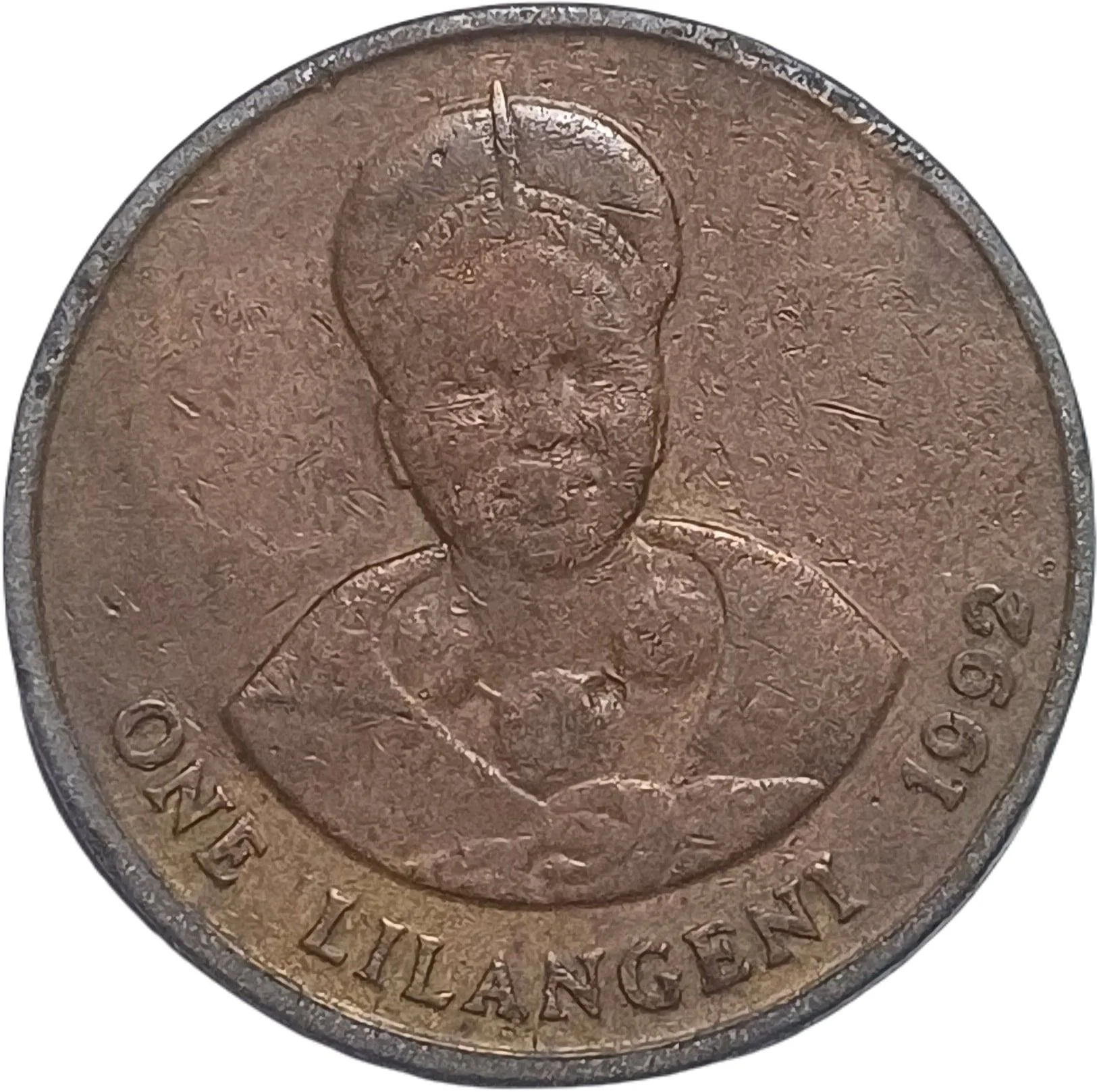
Reverse
Description:
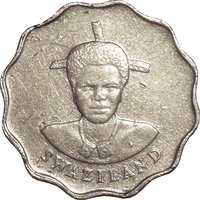
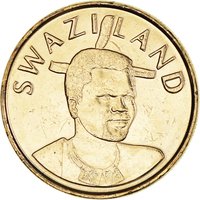
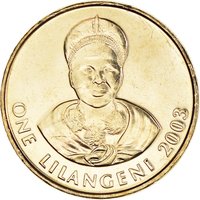
Queen Dzeliwe, regent for the future King Mswati III.
Inscription:
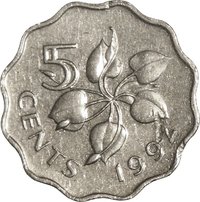
ONE LILANGENI 1992
Script: Latin
Edge
Milled
Mintings
| Year | Mint Mark | Mintage | Quality | Collection |
|---|---|---|---|---|
| 1992 | — | — |
Historical background
In 1992, the Kingdom of Swaziland (renamed Eswatini in 2018) operated within a complex and dependent monetary framework. The nation was a member of the Common Monetary Area (CMA), a multilateral agreement with South Africa, Lesotho, and later Namibia. This arrangement effectively pegged the Swazi lilangeni (SZL) at par to the South African rand (ZAR), which circulated freely and legally within the country alongside the domestic currency. This peg provided stability and facilitated seamless trade with South Africa, Swaziland's dominant economic partner, but it also meant Swaziland ceded control over its independent monetary policy to the South African Reserve Bank.
The economic backdrop of 1992 was challenging. Swaziland's economy was heavily reliant on agriculture (notably sugar) and faced pressures from a prolonged regional drought. Furthermore, the country was navigating the political and economic turbulence in South Africa, as the final dismantling of apartheid and the transition to majority rule created significant uncertainty. These external shocks highlighted the vulnerability inherent in the currency peg, as Swaziland had to passively import the interest rate and inflation policies of its larger neighbor, regardless of their suitability for local conditions.
Despite these pressures, the CMA arrangement and the rand peg were considered essential for economic stability in 1992. The system prevented currency volatility, ensured liquidity, and guaranteed access to the larger South African financial market. There was no serious domestic push to abandon the peg, as the perceived benefits of integration and stability outweighed the drawbacks of lost policy sovereignty. Thus, the currency situation was one of constrained but deliberate dependency, a strategic choice to anchor the small, open economy within its dominant regional sphere.
The economic backdrop of 1992 was challenging. Swaziland's economy was heavily reliant on agriculture (notably sugar) and faced pressures from a prolonged regional drought. Furthermore, the country was navigating the political and economic turbulence in South Africa, as the final dismantling of apartheid and the transition to majority rule created significant uncertainty. These external shocks highlighted the vulnerability inherent in the currency peg, as Swaziland had to passively import the interest rate and inflation policies of its larger neighbor, regardless of their suitability for local conditions.
Despite these pressures, the CMA arrangement and the rand peg were considered essential for economic stability in 1992. The system prevented currency volatility, ensured liquidity, and guaranteed access to the larger South African financial market. There was no serious domestic push to abandon the peg, as the perceived benefits of integration and stability outweighed the drawbacks of lost policy sovereignty. Thus, the currency situation was one of constrained but deliberate dependency, a strategic choice to anchor the small, open economy within its dominant regional sphere.
🌱 Fairly Common