

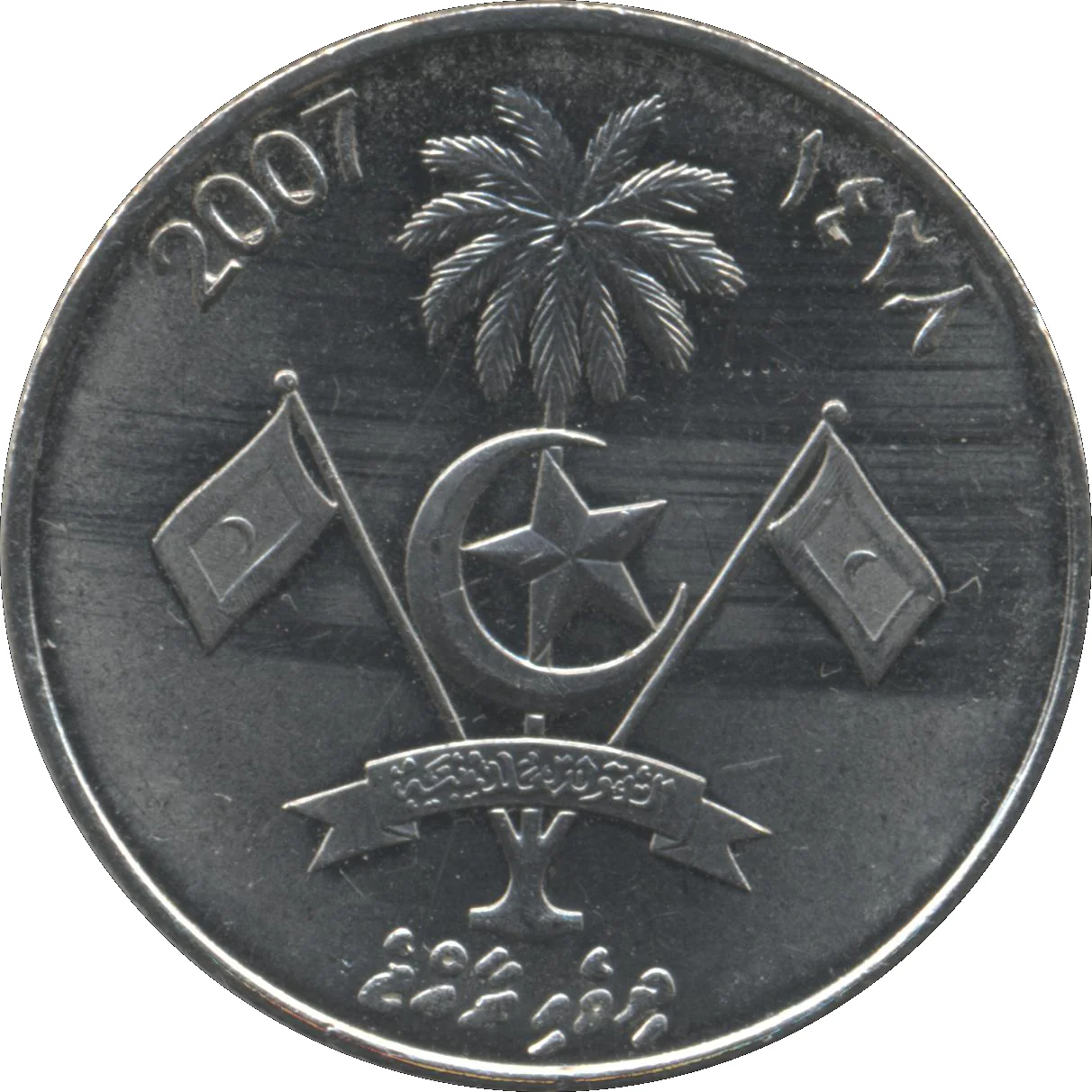
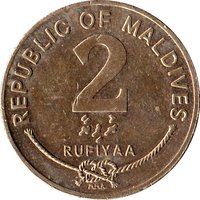
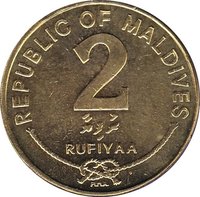
Obverse
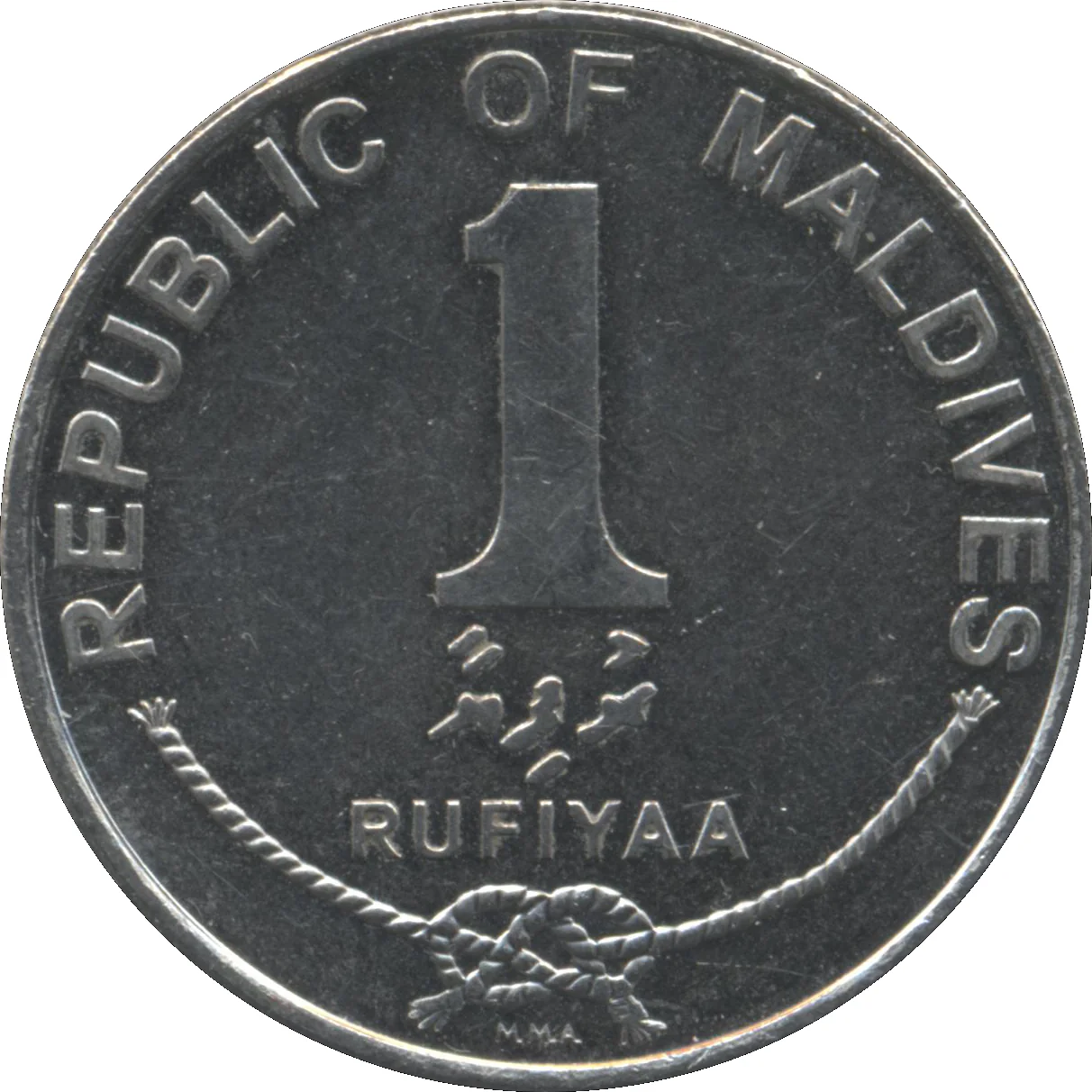
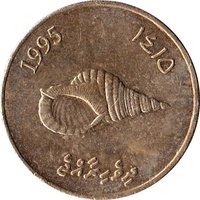
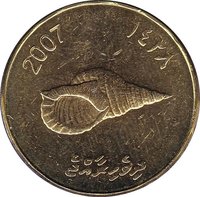
Reverse
Edge
Reeded
Categories
| Symbols> Coat of Arms |
Mints
| Name | Mark |
|---|---|
| Royal Mint | — |
Mintings
| Year | Mint Mark | Mintage | Quality | Collection |
|---|---|---|---|---|
| 2007 | — | — | ||
| 2012 | — | — |
Historical background
In 2007, the currency situation in the Maldives was characterized by a fixed exchange rate regime and significant external pressures. The Maldivian Rufiyaa (MVR) was, and remains, pegged to the US Dollar at a rate of 12.85 MVR to 1 USD, a policy managed by the Maldives Monetary Authority (MMA). This peg provided stability for the tourism-dominated economy, which priced its primary export in dollars, and helped control import inflation for a nation that relies heavily on foreign goods. However, maintaining this peg required adequate foreign exchange reserves, which were under strain.
The underlying economic context was one of growing fiscal and trade imbalances. Government spending had increased substantially, leading to large budget deficits financed by domestic borrowing and the printing of money. Concurrently, a persistent and widening trade deficit, driven by high import demand for both consumption and construction projects, put continuous downward pressure on the Rufiyaa. By 2007, these twin deficits were depleting official reserves, raising concerns among international observers about the long-term sustainability of the dollar peg and the country's growing sovereign debt.
Consequently, 2007 was a year of mounting vulnerability. While the peg held formally, pressures were building towards a currency crisis that would fully materialize in the following year. In 2008, amidst the global financial crisis and a sharp drop in tourism revenue, the Maldives faced a severe balance of payments crisis. This forced the government to seek an emergency standby loan from the International Monetary Fund (IMF) in 2009, which came with conditions to stabilize the macroeconomic situation and preserve the currency peg, highlighting the fragility that had been escalating throughout 2007.
The underlying economic context was one of growing fiscal and trade imbalances. Government spending had increased substantially, leading to large budget deficits financed by domestic borrowing and the printing of money. Concurrently, a persistent and widening trade deficit, driven by high import demand for both consumption and construction projects, put continuous downward pressure on the Rufiyaa. By 2007, these twin deficits were depleting official reserves, raising concerns among international observers about the long-term sustainability of the dollar peg and the country's growing sovereign debt.
Consequently, 2007 was a year of mounting vulnerability. While the peg held formally, pressures were building towards a currency crisis that would fully materialize in the following year. In 2008, amidst the global financial crisis and a sharp drop in tourism revenue, the Maldives faced a severe balance of payments crisis. This forced the government to seek an emergency standby loan from the International Monetary Fund (IMF) in 2009, which came with conditions to stabilize the macroeconomic situation and preserve the currency peg, highlighting the fragility that had been escalating throughout 2007.
🌱 Very Common