

10 dollars – Utah
Add to wishlist
United States
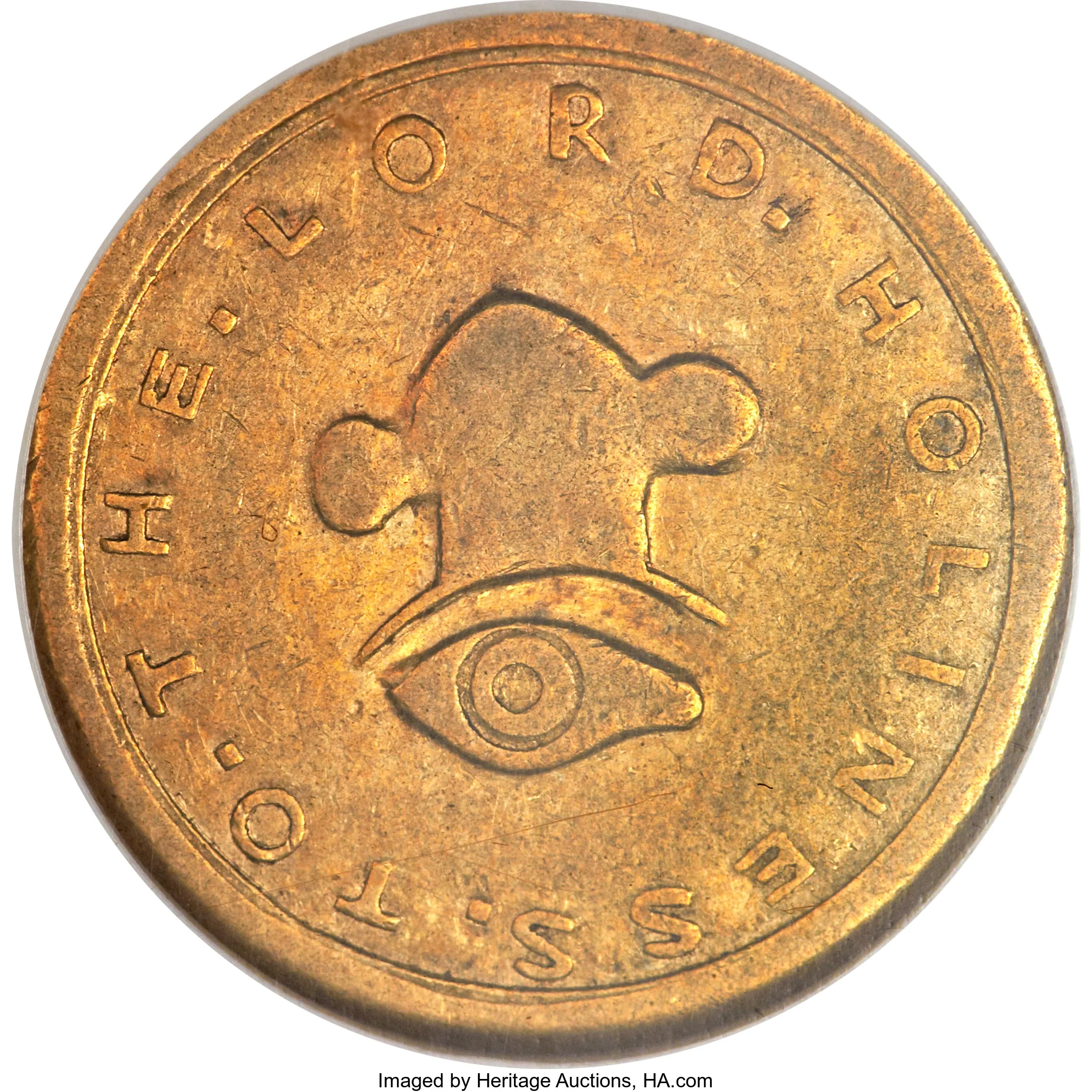
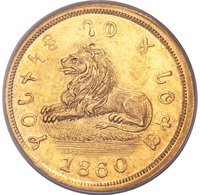
Obverse
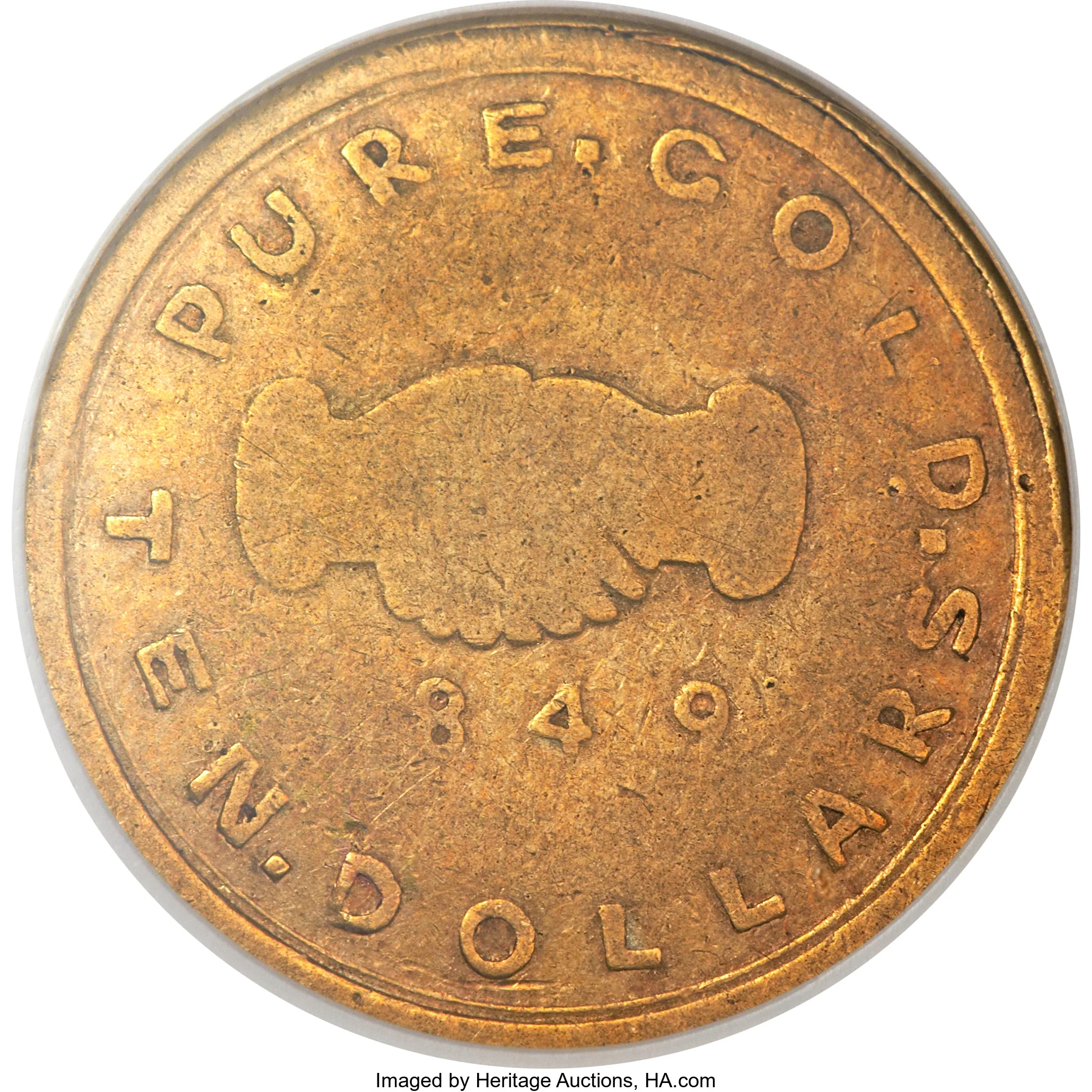
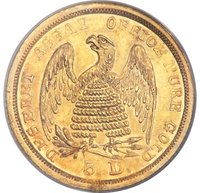
Reverse
Edge
Categories
| Symbol> Hand |
| Symbol> Phrygian cap |
Mintings
| Year | Mint Mark | Mintage | Quality | Collection |
|---|---|---|---|---|
| 1849 | — | — |
Historical background
In 1849, Utah faced a severe and complex currency crisis, a direct result of its geographic isolation and the unique circumstances of the early Mormon settlement. The California Gold Rush had drawn away many able-bodied men and drained the region of what little hard currency (specie) existed, as travelers needed coins for supplies. Furthermore, the remote Great Basin territory was disconnected from the U.S. banking system, and the federal government, still establishing authority after the Mexican-American War, provided no official mint or reliable supply of coinage. This left the growing community of Deseret (soon to be Utah Territory) in a precarious economic position, struggling to facilitate trade and pay for essential imports with a nearly non-existent circulating medium.
To solve this immediate problem, the Mormon Church, under the leadership of Brigham Young, took the extraordinary step of authorizing the issuance of a unique local currency. Gold dust, brought by members returning from California, was assayed and minted into coins at a small mint in Salt Lake City. The first issues in 1849 bore simple designs including the all-seeing eye, clasped hands, and the denomination. Crucially, these coins were not backed by a government but by the authority and credit of the LDS Church itself, representing a theocratically managed solution to a market failure. While providing a vital stopgap, this system had limitations; the coins' value was based on the variable purity of the gold dust, and their acceptance was largely confined to the faithful within the isolated Mormon economy.
This local coinage represented a temporary, autonomous solution that highlighted the practical self-sufficiency of the early settlement. However, the situation began to change with the official creation of Utah Territory in 1850 and the gradual increase of federal presence and non-Mormon (Gentile) merchants. These newcomers often distrusted the church-issued currency, preferring gold coins from the U.S. Mint or even California private mints. Consequently, while the 1849 coins were a critical innovation, they marked the beginning of a prolonged period of monetary confusion where church coinage, various foreign coins, and merchant scrip all circulated uneasily alongside each other until a more standardized federal monetary system could be established in the region years later.
To solve this immediate problem, the Mormon Church, under the leadership of Brigham Young, took the extraordinary step of authorizing the issuance of a unique local currency. Gold dust, brought by members returning from California, was assayed and minted into coins at a small mint in Salt Lake City. The first issues in 1849 bore simple designs including the all-seeing eye, clasped hands, and the denomination. Crucially, these coins were not backed by a government but by the authority and credit of the LDS Church itself, representing a theocratically managed solution to a market failure. While providing a vital stopgap, this system had limitations; the coins' value was based on the variable purity of the gold dust, and their acceptance was largely confined to the faithful within the isolated Mormon economy.
This local coinage represented a temporary, autonomous solution that highlighted the practical self-sufficiency of the early settlement. However, the situation began to change with the official creation of Utah Territory in 1850 and the gradual increase of federal presence and non-Mormon (Gentile) merchants. These newcomers often distrusted the church-issued currency, preferring gold coins from the U.S. Mint or even California private mints. Consequently, while the 1849 coins were a critical innovation, they marked the beginning of a prolonged period of monetary confusion where church coinage, various foreign coins, and merchant scrip all circulated uneasily alongside each other until a more standardized federal monetary system could be established in the region years later.
✨ Legendary