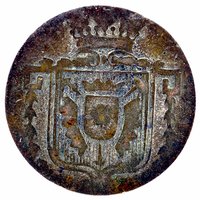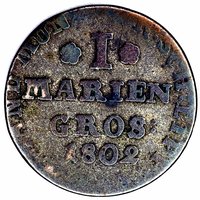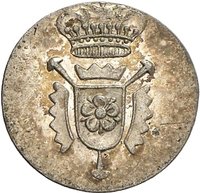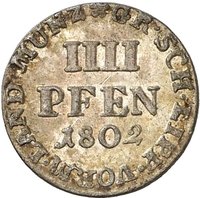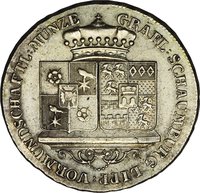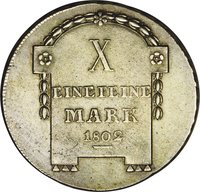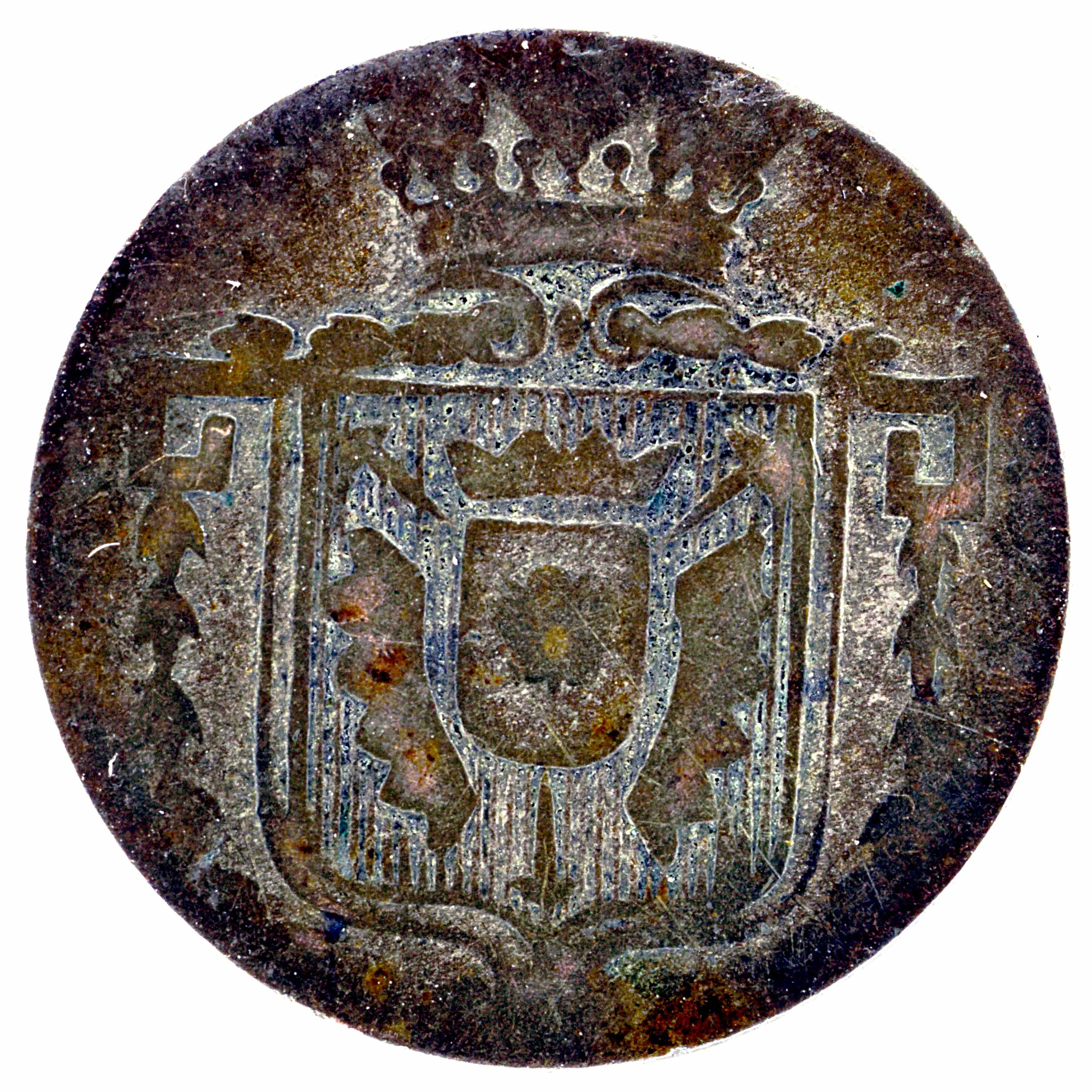
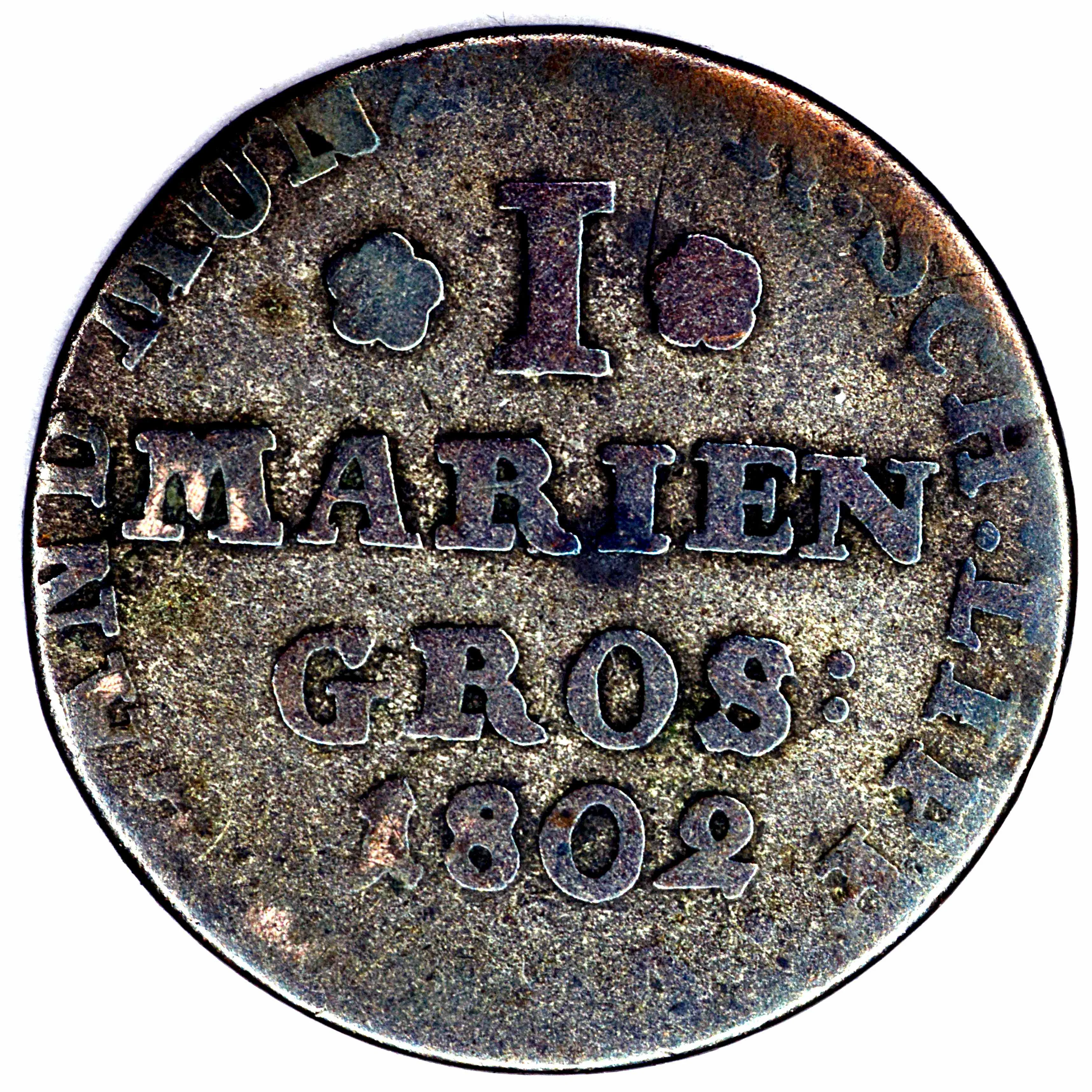
In 1802, the currency situation in the County of Schaumburg-Lippe was complex and fragmented, reflecting the broader monetary disarray of the Holy Roman Empire. The county did not possess its own independent minting authority. Instead, it relied on a circulation of multiple foreign and domestic coinages, primarily the
Reichsthaler and
Gute Groschen as defined by the Imperial Coinage Acts. However, these official Reich coins circulated alongside a variety of regional thalers and smaller denominations from neighboring states like Hanover, Brunswick, and Hesse-Kassel, as well as older, debased coins. This created a chaotic environment where the intrinsic silver content and exchange value of coins in daily use could vary significantly.
The local economy was further complicated by the parallel use of
Rechnungswährung (accounting currency) and
Kurantwährung (specie currency). Accounts for larger trade and state finances were often kept in a stable unit of account, the
Reichsthaler of 24
Gute Groschen, while actual physical coins (
Kurant) in circulation were subject to fluctuating agios (premiums or discounts) against this accounting standard. This disconnect between "money of account" and "money in hand" added a layer of difficulty for merchants and peasants alike, facilitating confusion and potential exploitation.
This monetary fragmentation was a source of administrative weakness and economic inefficiency for Count George William. The lack of sovereign coinage underscored the county's limited political autonomy and hindered unified fiscal policy. The situation would begin to resolve only after the county's mediatization and incorporation into the Napoleonic Kingdom of Westphalia in 1807, which imposed a more centralized monetary system. Thus, in 1802, Schaumburg-Lippe's currency was a microcosm of the old Empire's decline: a patchwork of inherited standards awaiting forced modernization by broader geopolitical events.