

1 Florin – United Kingdom
United Kingdom
Context
Years: 1893–1901
Issuer: United Kingdom 
Ruler: Victoria
Currency:
(1158—1970)
Demonetization: 30 June 1993
Total mintage: 25,653,012
Material
References
KM: #Click to copy to clipboard781
Numista: #12802
Value
Bullion value: $30.35
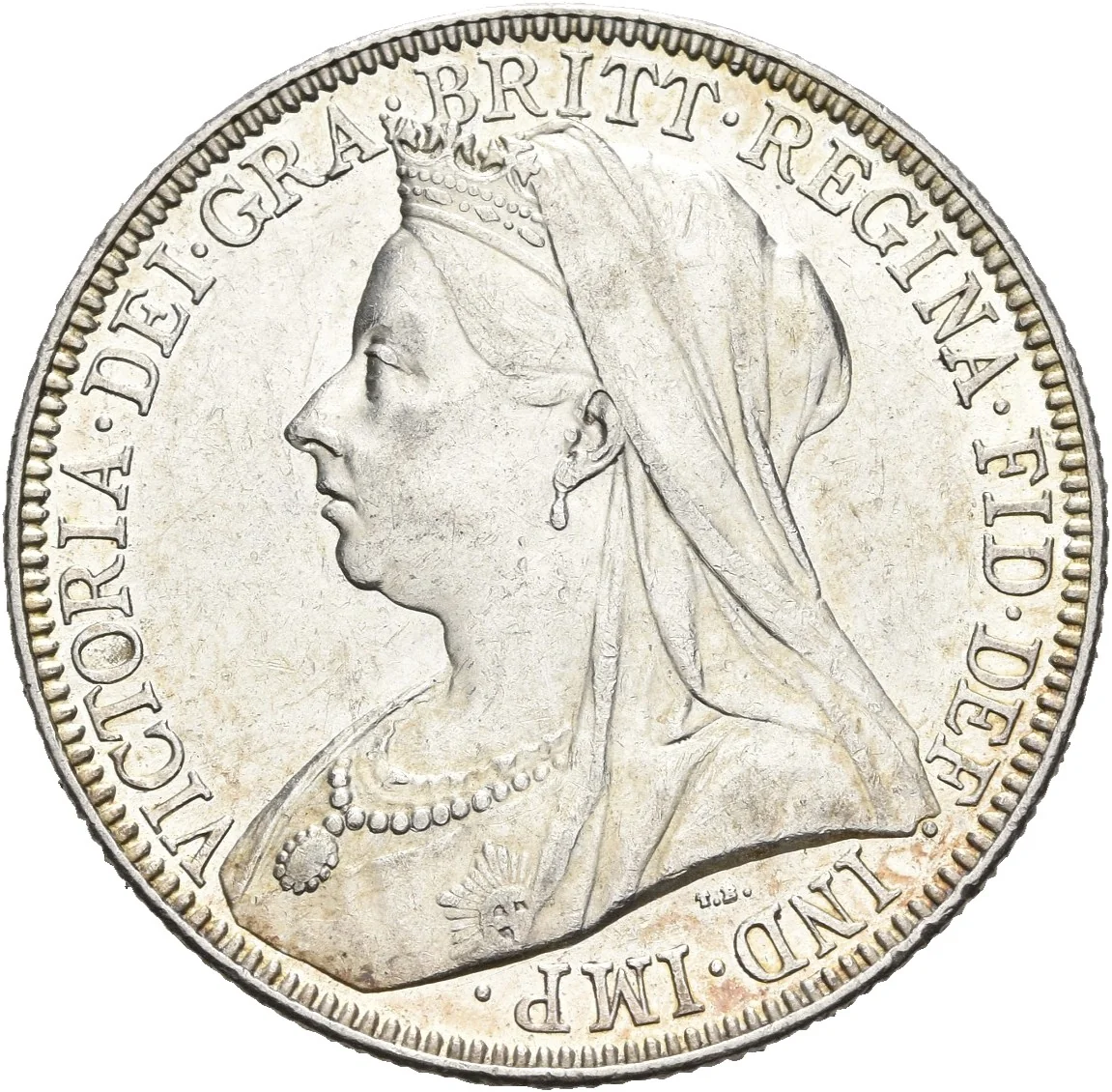
Obverse
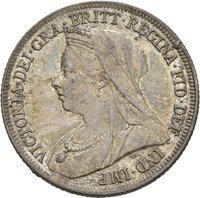
Description:
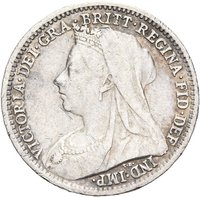
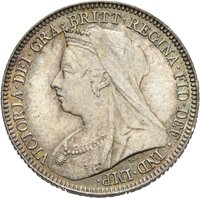
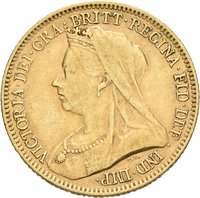
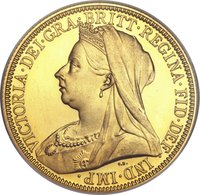
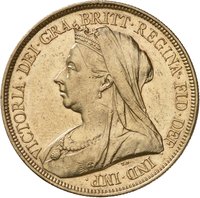
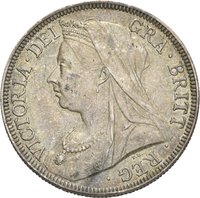
Victoria crowned, veiled left profile.
Inscription:
VICTORIA·DEI·GRA·BRITT·REGINA·FID·DEF·IND·IMP·
T.B.
T.B.
Translation:
Victoria by the Grace of God, Queen of the Britains, Defender of the Faith, Empress of India.
Script: Latin
Language: Latin
Engraver: Thomas Brock
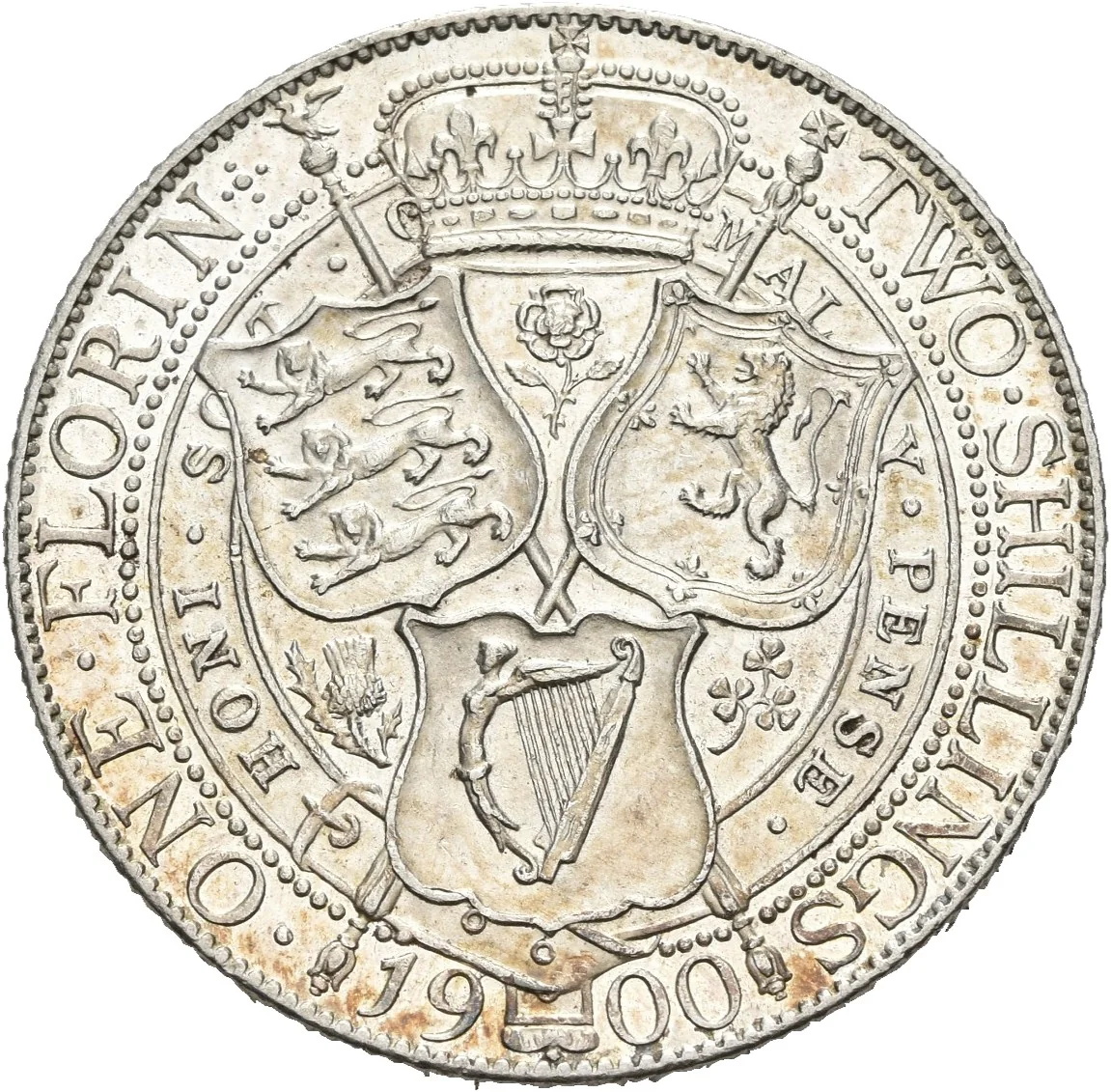
Reverse
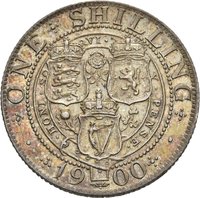
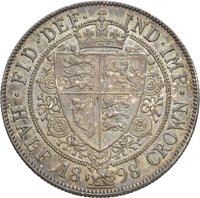
Description:
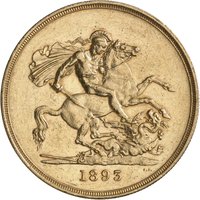
Crown above shields of England, Scotland, and Ireland with floral emblems, all within the Garter, with divided date below and encircling legend.
Inscription:
ONE·FLORIN+ TWO·SHILLINGS
· 18 93
·HONI · SO T · Q MAL Y · PENSE ·
· 18 93
·HONI · SO T · Q MAL Y · PENSE ·
Translation:
One Florin Two Shillings
18 93
Honi soit qui mal y pense
18 93
Honi soit qui mal y pense
Script: Latin
Engraver: Edward Poynter
Edge
Reeded
Mints
| Name | Mark |
|---|---|
| Royal Mint (Tower Hill) | — |
Mintings
| Year | Mint Mark | Mintage | Quality | Collection |
|---|---|---|---|---|
| 1893 | — | 1,666,100 | ||
| 1893 | — | 1,312 | Proof | |
| 1894 | — | 1,952,800 | ||
| 1895 | — | 2,182,900 | ||
| 1896 | — | 2,944,400 | ||
| 1897 | — | 1,699,900 | ||
| 1898 | — | 3,061,300 | ||
| 1899 | — | 3,966,900 | ||
| 1900 | — | 5,528,600 | ||
| 1901 | — | 2,648,800 |
Historical background
In 1893, the United Kingdom operated under the classical gold standard, a system where the value of the pound sterling was directly tied to a fixed quantity of gold. This meant Bank of England notes were freely convertible into gold coin upon demand, and the currency's stability was a cornerstone of British financial prestige and global trade. However, the system was not without its domestic tensions. The period was characterised by a prolonged economic depression, known as the "Long Depression," which fuelled public debate over "bimetallism"—the proposal to base currency on both gold and silver to increase the money supply, ease credit, and raise agricultural prices.
The key monetary event of the year was the passage of the Bank Act of 1893. This legislation was a direct response to the Baring Crisis of 1890, which had exposed vulnerabilities in the financial system. The Act fundamentally reformed the Bank of England's governance, creating a more formalised structure for its Court of Directors and enhancing its regulatory oversight of joint-stock banks. More critically for currency, it granted the Bank the discretionary power to issue fiduciary notes beyond the strict gold reserve limit in times of financial emergency. This "elasticity" clause was a significant, if cautious, departure from the rigid rules of the 1844 Bank Charter Act, providing a vital tool to prevent liquidity crises without abandoning the gold standard itself.
Ultimately, 1893 saw the gold standard reaffirmed, but with important modifications to ensure its survival. The Bank Act's reforms strengthened the institutional framework managing the currency, prioritising stability over the inflationary remedies proposed by bimetallists. The debate between gold monometallists and bimetallists, however, raged on in political and economic circles, reflecting the social strain of deflation. Thus, the UK's currency situation was one of confident orthodoxy tempered by pragmatic legislative innovation, securing the pound's gold-backed integrity while cautiously arming its central bank to better manage future financial storms.
The key monetary event of the year was the passage of the Bank Act of 1893. This legislation was a direct response to the Baring Crisis of 1890, which had exposed vulnerabilities in the financial system. The Act fundamentally reformed the Bank of England's governance, creating a more formalised structure for its Court of Directors and enhancing its regulatory oversight of joint-stock banks. More critically for currency, it granted the Bank the discretionary power to issue fiduciary notes beyond the strict gold reserve limit in times of financial emergency. This "elasticity" clause was a significant, if cautious, departure from the rigid rules of the 1844 Bank Charter Act, providing a vital tool to prevent liquidity crises without abandoning the gold standard itself.
Ultimately, 1893 saw the gold standard reaffirmed, but with important modifications to ensure its survival. The Bank Act's reforms strengthened the institutional framework managing the currency, prioritising stability over the inflationary remedies proposed by bimetallists. The debate between gold monometallists and bimetallists, however, raged on in political and economic circles, reflecting the social strain of deflation. Thus, the UK's currency situation was one of confident orthodoxy tempered by pragmatic legislative innovation, securing the pound's gold-backed integrity while cautiously arming its central bank to better manage future financial storms.

🌱 Common