

20 cents – Straits Settlements
Add to wishlist
Malaysia
Context
Years: 1926–1935
Country: Malaysia
Issuer: Straits Settlements
Ruler: George V
Currency:
(1845—1939)
Demonetized: Yes
Total mintage: 5,500,000
Material
References
KM: #
Numista: #12777
Value
Bullion value: $8.34
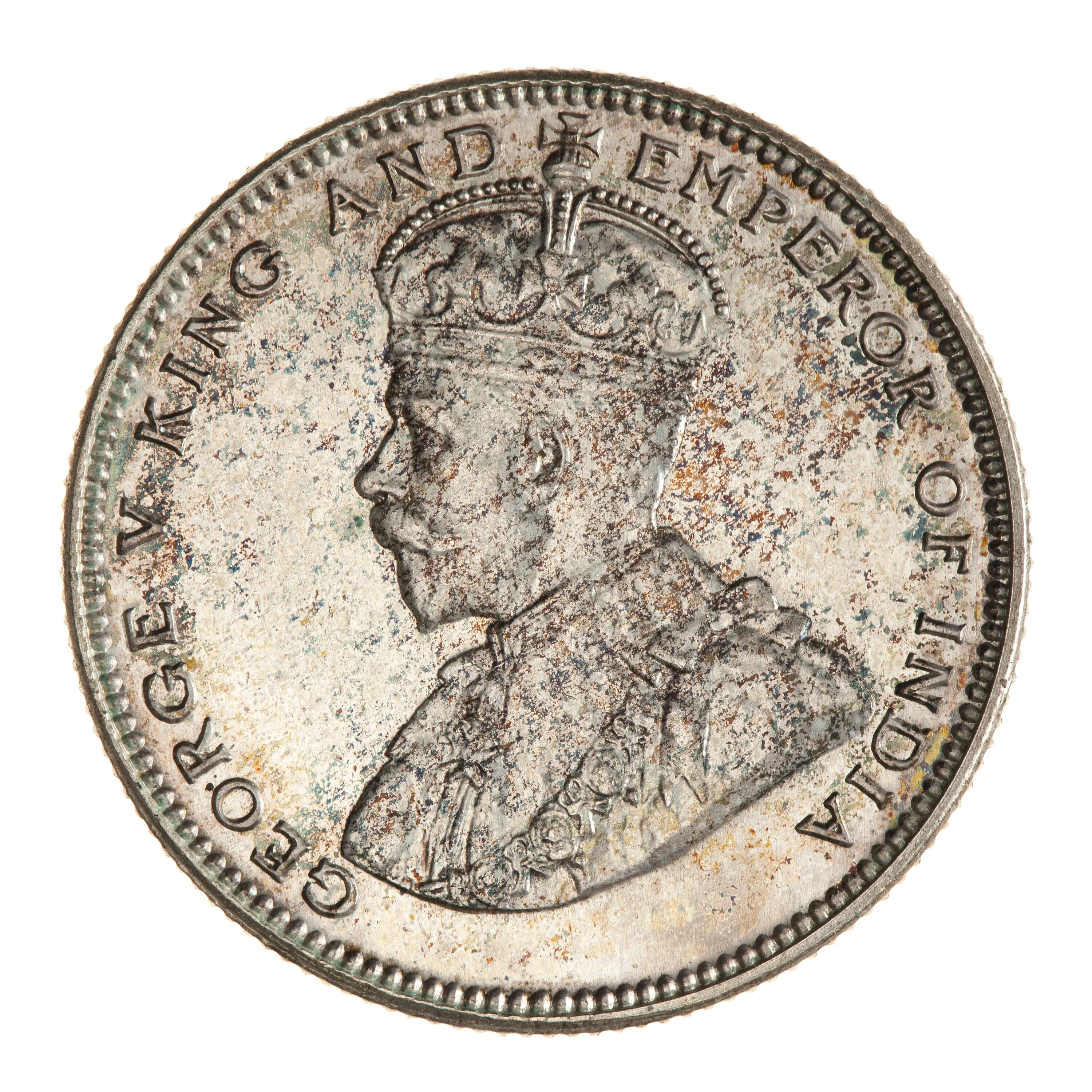
Obverse
Description:
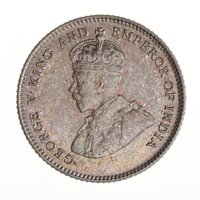
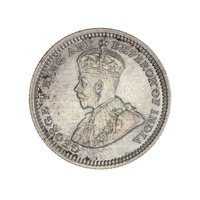
Crowned left-facing bust.
Inscription:
GEORGE V KING AND EMPEROR OF INDIA
Translation:
GEORGE V KING AND EMPEROR OF INDIA
Script: Latin
Language: English
Engraver: Edgar Bertram MacKennal
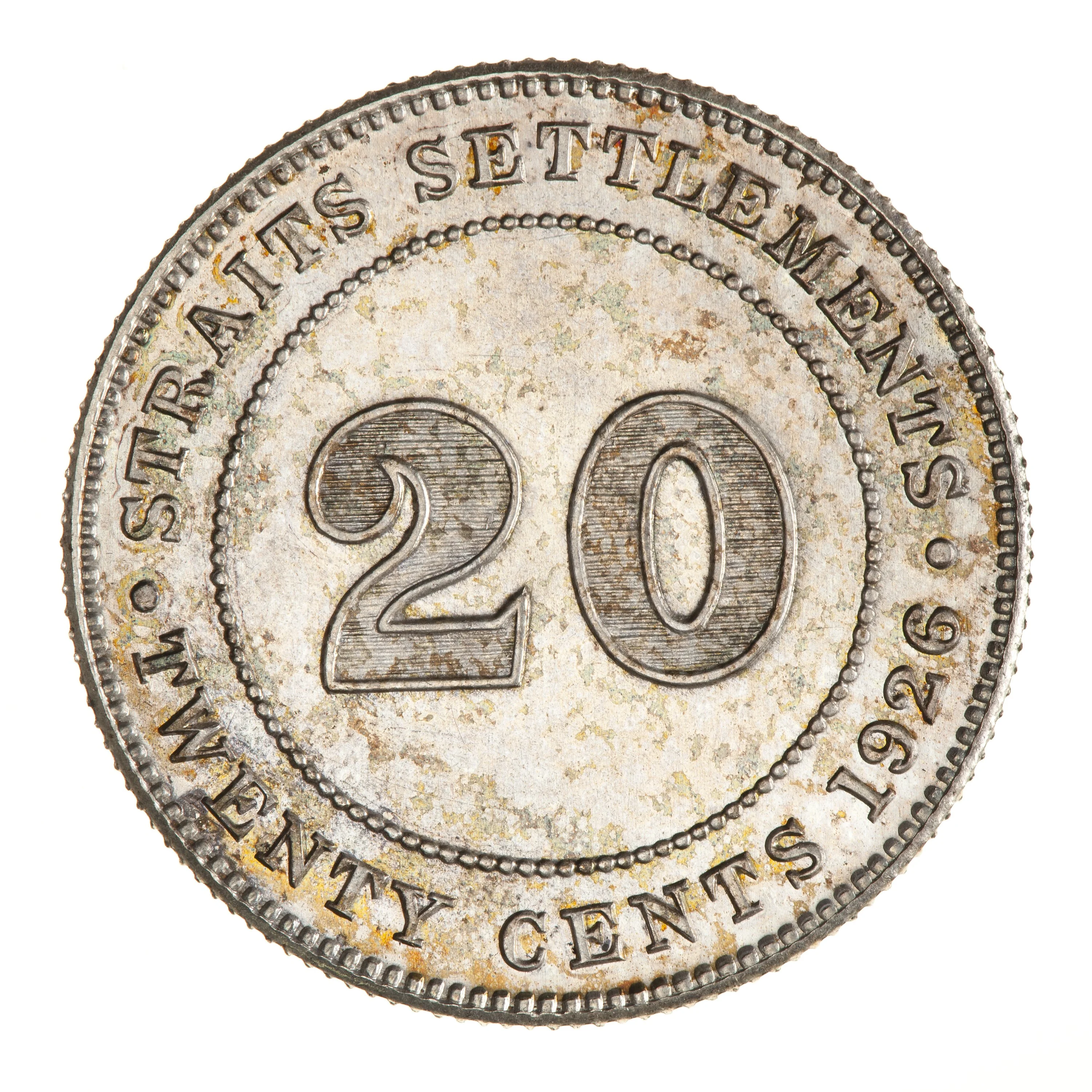
Reverse
Description:
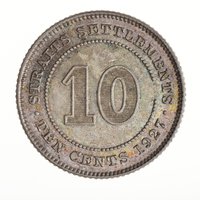
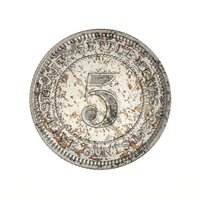
Denomination in beaded circle, date at lower right.
Inscription:
STRAITS SETTLEMENTS
20
TWENTY CENTS 1935
20
TWENTY CENTS 1935
Script: Latin
Edge
Reeded
Mints
| Name | Mark |
|---|---|
| Royal Mint (Tower Hill) | — |
Mintings
| Year | Mint Mark | Mintage | Quality | Collection |
|---|---|---|---|---|
| 1926 | — | — | Proof | |
| 1926 | — | 2,500,000 | ||
| 1927 | — | 3,000,000 | ||
| 1927 | — | — | Proof | |
| 1935 | — | — |
Historical background
In 1926, the currency situation in the Straits Settlements was defined by its role as a regional financial hub operating under a strict colonial currency board system. The Straits dollar, issued by the Board of Commissioners of Currency, was pegged at a fixed rate of 2 shillings and 4 pence to one British pound sterling. This peg provided exceptional stability and made the currency a trusted medium of exchange not only in the Settlements (Singapore, Penang, and Malacca) but also throughout the surrounding Malay States and British Borneo, effectively establishing it as the dominant trade currency of the region.
The system was underpinned by a 100% reserve requirement, where every note and coin in circulation was fully backed by sterling securities held in London. This orthodox "currency board" principle ensured automatic convertibility and instilled high confidence among merchants and bankers. Consequently, the Straits dollar functioned as a reliable proxy for sterling itself, facilitating the booming trade in tin, rubber, and other commodities that passed through the port of Singapore, with its value entirely dependent on the health of the British pound.
However, this arrangement also meant that the Straits Settlements had no independent monetary policy; its money supply and interest rates were directly determined by the economic conditions and decisions made in Britain. While this brought stability, it also meant the local economy was fully exposed to sterling's fluctuations and the United Kingdom's financial priorities. The system, therefore, reflected the classic colonial financial model: optimized for imperial trade and fiscal discipline, but with no capacity for local macroeconomic management.
The system was underpinned by a 100% reserve requirement, where every note and coin in circulation was fully backed by sterling securities held in London. This orthodox "currency board" principle ensured automatic convertibility and instilled high confidence among merchants and bankers. Consequently, the Straits dollar functioned as a reliable proxy for sterling itself, facilitating the booming trade in tin, rubber, and other commodities that passed through the port of Singapore, with its value entirely dependent on the health of the British pound.
However, this arrangement also meant that the Straits Settlements had no independent monetary policy; its money supply and interest rates were directly determined by the economic conditions and decisions made in Britain. While this brought stability, it also meant the local economy was fully exposed to sterling's fluctuations and the United Kingdom's financial priorities. The system, therefore, reflected the classic colonial financial model: optimized for imperial trade and fiscal discipline, but with no capacity for local macroeconomic management.
🌱 Common