

10 Dollars – Australia
Australia
Context

Material
References
KM: #Click to copy to clipboardP5
Numista: #127590
Value
Exchange value: 10 AUD = $7.12
Bullion value: $105.90
Inflation-adjusted value: 23.22 AUD
Obverse
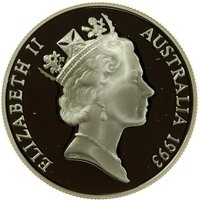
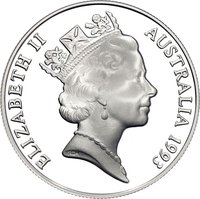
Description:
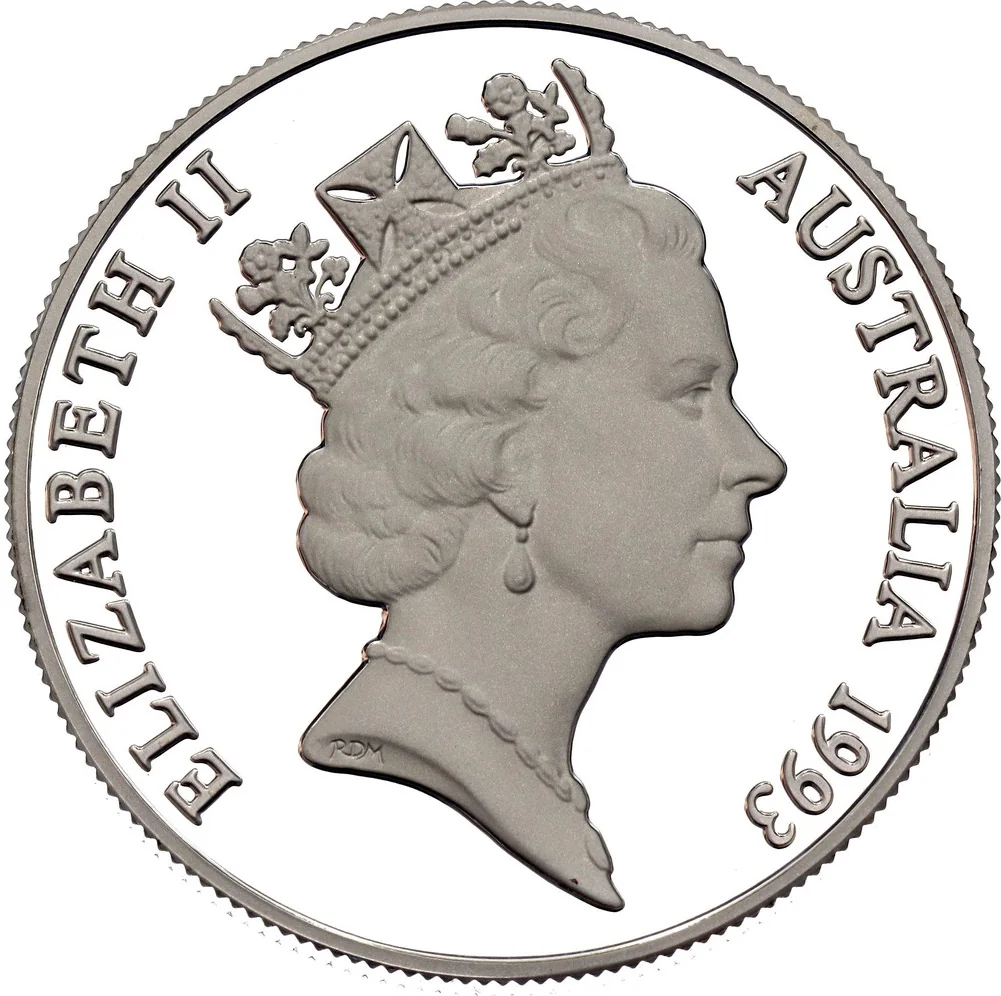
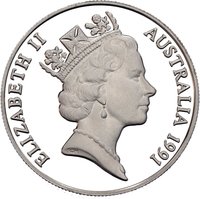
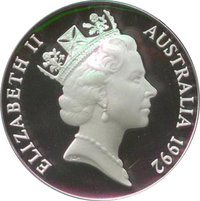
Queen Elizabeth III facing right in the King George IV State Diadem.
Inscription:
ELIZABETH II
AUSTRALIA 1993
RDM
AUSTRALIA 1993
RDM
Script: Latin
Designer: Raphael David Maklouf
Reverse
Edge
Milled
Mints
| Name | Mark |
|---|---|
| Royal Australian Mint | — |
Mintings
| Year | Mint Mark | Mintage | Quality | Collection |
|---|---|---|---|---|
| 1993 | — | 13,706 | Proof |
Historical background
In 1993, Australia's currency situation was characterised by a period of relative stability and strategic management under the framework of a floating exchange rate, which had been in place since December 1983. The Australian dollar (AUD) was no longer pegged to any foreign currency or basket, with its value determined by market forces of supply and demand. This period followed the severe economic turbulence of the early 1990s recession, and the Reserve Bank of Australia (RBA) was primarily focused on maintaining low inflation, having adopted an explicit inflation target in 1993. Consequently, monetary policy was geared towards price stability, with interest rates as the key tool, rather than direct targeting of the exchange rate.
The AUD experienced a gradual depreciation trend throughout much of 1993, largely influenced by a significant interest rate differential with major economies, particularly the United States, where rates were lower. This "carry trade" dynamic, where investors borrowed in low-yielding currencies to invest in higher-yielding assets like Australian bonds, provided some support but was offset by broader market sentiment. Key factors weighing on the currency included Australia's persistent current account deficit and concerns about the pace of economic recovery from the recession, which made the commodity-driven economy somewhat vulnerable to shifts in global risk appetite.
Overall, the currency landscape in 1993 was one of managed flexibility. The RBA intervened in the foreign exchange market only on occasion to smooth excessive volatility or disorderly conditions, a practice known as "leaning against the wind." The dollar's depreciation was generally viewed by policymakers and exporters as beneficial, helping to stimulate economic growth by making Australian exports more competitive on the global market. This environment set the stage for the mid-1990s, where a stronger global economy and rising commodity demand would begin to exert upward pressure on the Australian dollar.
The AUD experienced a gradual depreciation trend throughout much of 1993, largely influenced by a significant interest rate differential with major economies, particularly the United States, where rates were lower. This "carry trade" dynamic, where investors borrowed in low-yielding currencies to invest in higher-yielding assets like Australian bonds, provided some support but was offset by broader market sentiment. Key factors weighing on the currency included Australia's persistent current account deficit and concerns about the pace of economic recovery from the recession, which made the commodity-driven economy somewhat vulnerable to shifts in global risk appetite.
Overall, the currency landscape in 1993 was one of managed flexibility. The RBA intervened in the foreign exchange market only on occasion to smooth excessive volatility or disorderly conditions, a practice known as "leaning against the wind." The dollar's depreciation was generally viewed by policymakers and exporters as beneficial, helping to stimulate economic growth by making Australian exports more competitive on the global market. This environment set the stage for the mid-1990s, where a stronger global economy and rising commodity demand would begin to exert upward pressure on the Australian dollar.
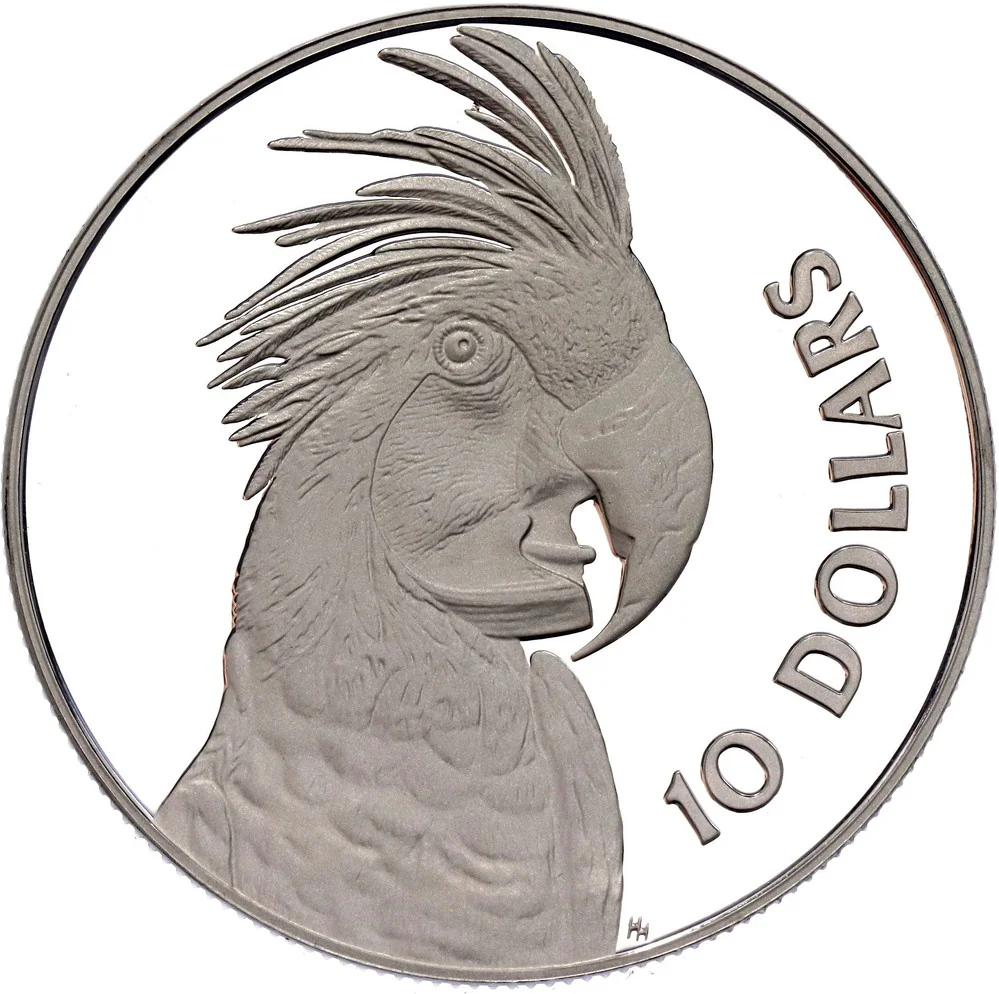
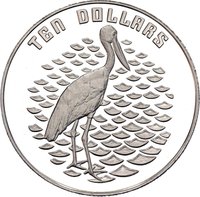
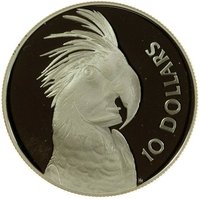
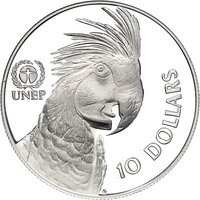
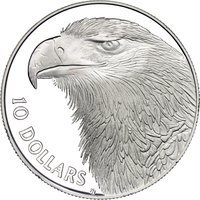
Series: Birds of Australia
💎 Very Rare