

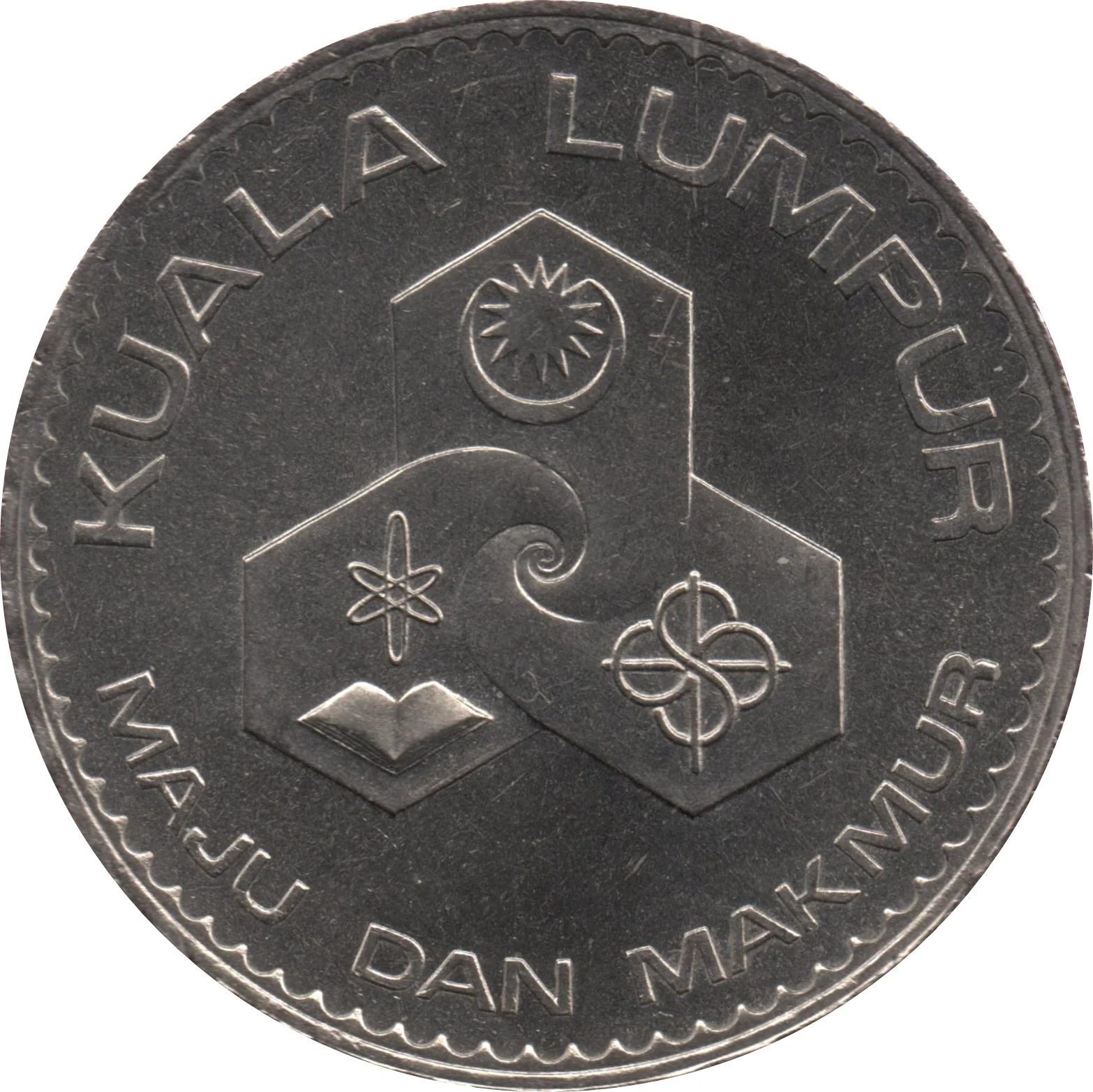
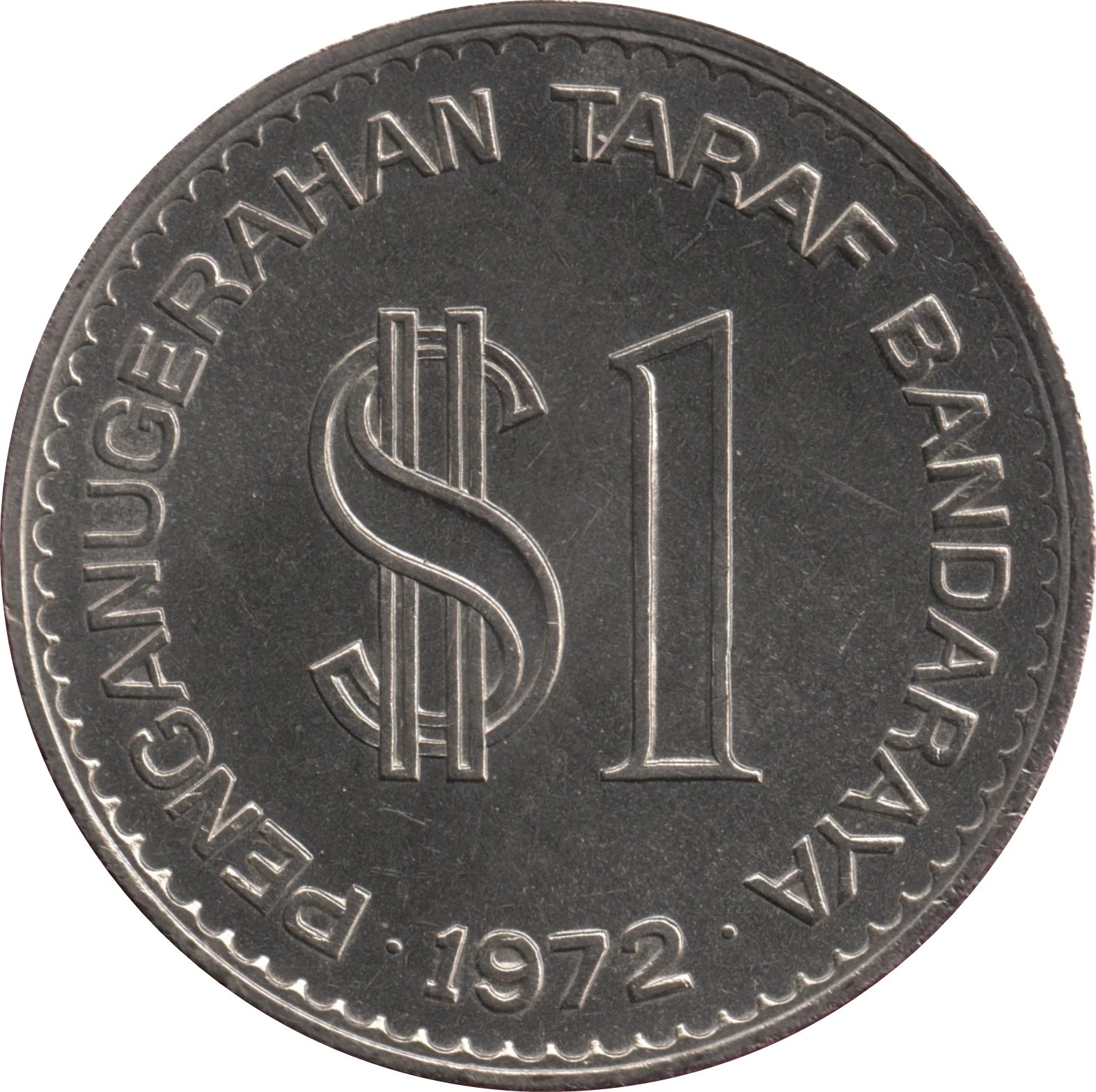
1 Ringgit (Kuala Lumpur) – Malaysia
Circulating commemorative coins
Commemoration: Kuala Lumpur Anniversary
Malaysia
Context

Material
Diameter: 33.5 mm
Weight: 16.7 g
Shape: Round
Composition: Copper-nickel
Technique: Milled
Alignment: Medal alignment
flip
References
KM: #Click to copy to clipboard12
Numista: #12742
Value
Exchange value: 1 MYR = $0.26
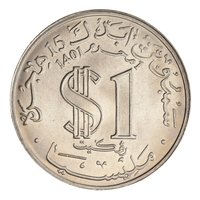
Obverse
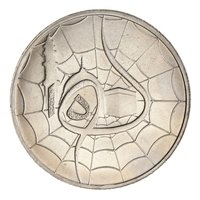
Reverse
Description:
Artistic value over price.
Inscription:
PENGANUGERAHAN TARAF BANDARAYA
$1
·1972·
$1
·1972·
Script: Latin
Edge
Plain with inscription
Legend:
MALAYSIA BANK NEGARA
Mintings
| Year | Mint Mark | Mintage | Quality | Collection |
|---|---|---|---|---|
| 1972 | — | 500 | Proof | |
| 1972 | — | 500,000 |
Historical background
In 1972, Malaysia's currency situation was defined by its continued participation in the Sterling Area and its peg to the British Pound, a legacy of its colonial history. The Malaysian dollar (or ringgit) was officially fixed at a rate of M$8.57 to £1, a parity established in 1967 following the dissolution of the old Malaya and British Borneo dollar. This arrangement provided a degree of stability and facilitated trade with the Commonwealth, but it also intrinsically linked Malaysia's monetary fortunes to the economic performance and policies of the United Kingdom.
This period was one of mounting international monetary turbulence. The Bretton Woods system of fixed exchange rates was collapsing, culminating in the Nixon Shock of 1971, which suspended the US dollar's convertibility into gold. In response, major currencies began to float. While Malaysia maintained its sterling peg, it did so within the wider framework of the Smithsonian Agreement, which established new fixed parities. Crucially, the stability of the sterling peg itself was under severe strain due to Britain's persistent economic difficulties and high inflation, exposing Malaysia to imported monetary instability.
Consequently, 1972 represented the final year of Malaysia's traditional sterling peg. The pressures became unsustainable, leading to a pivotal shift in 1973. Following the further devaluation of sterling and its eventual float, Malaysia severed the direct link to the British Pound. It briefly pegged its currency to the US dollar before, by 1975, transitioning to a managed float system where the ringgit's value was determined against a basket of currencies of its major trading partners. This move marked a decisive step in Malaysia's monetary sovereignty, aligning its currency policy more closely with its own national economic interests rather than colonial-era ties.
This period was one of mounting international monetary turbulence. The Bretton Woods system of fixed exchange rates was collapsing, culminating in the Nixon Shock of 1971, which suspended the US dollar's convertibility into gold. In response, major currencies began to float. While Malaysia maintained its sterling peg, it did so within the wider framework of the Smithsonian Agreement, which established new fixed parities. Crucially, the stability of the sterling peg itself was under severe strain due to Britain's persistent economic difficulties and high inflation, exposing Malaysia to imported monetary instability.
Consequently, 1972 represented the final year of Malaysia's traditional sterling peg. The pressures became unsustainable, leading to a pivotal shift in 1973. Following the further devaluation of sterling and its eventual float, Malaysia severed the direct link to the British Pound. It briefly pegged its currency to the US dollar before, by 1975, transitioning to a managed float system where the ringgit's value was determined against a basket of currencies of its major trading partners. This move marked a decisive step in Malaysia's monetary sovereignty, aligning its currency policy more closely with its own national economic interests rather than colonial-era ties.
🌱 Fairly Common