Logo Title
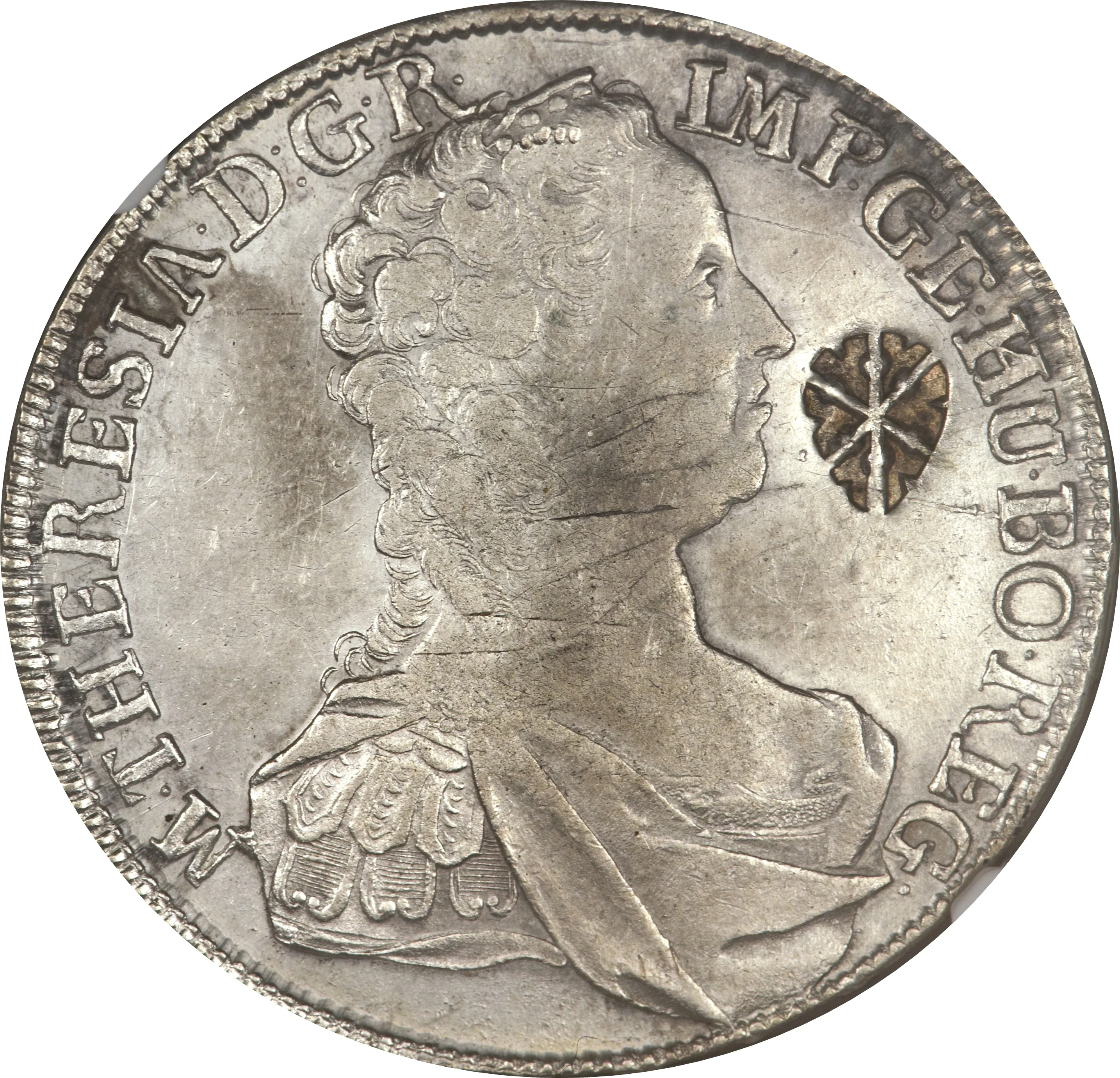
obverse
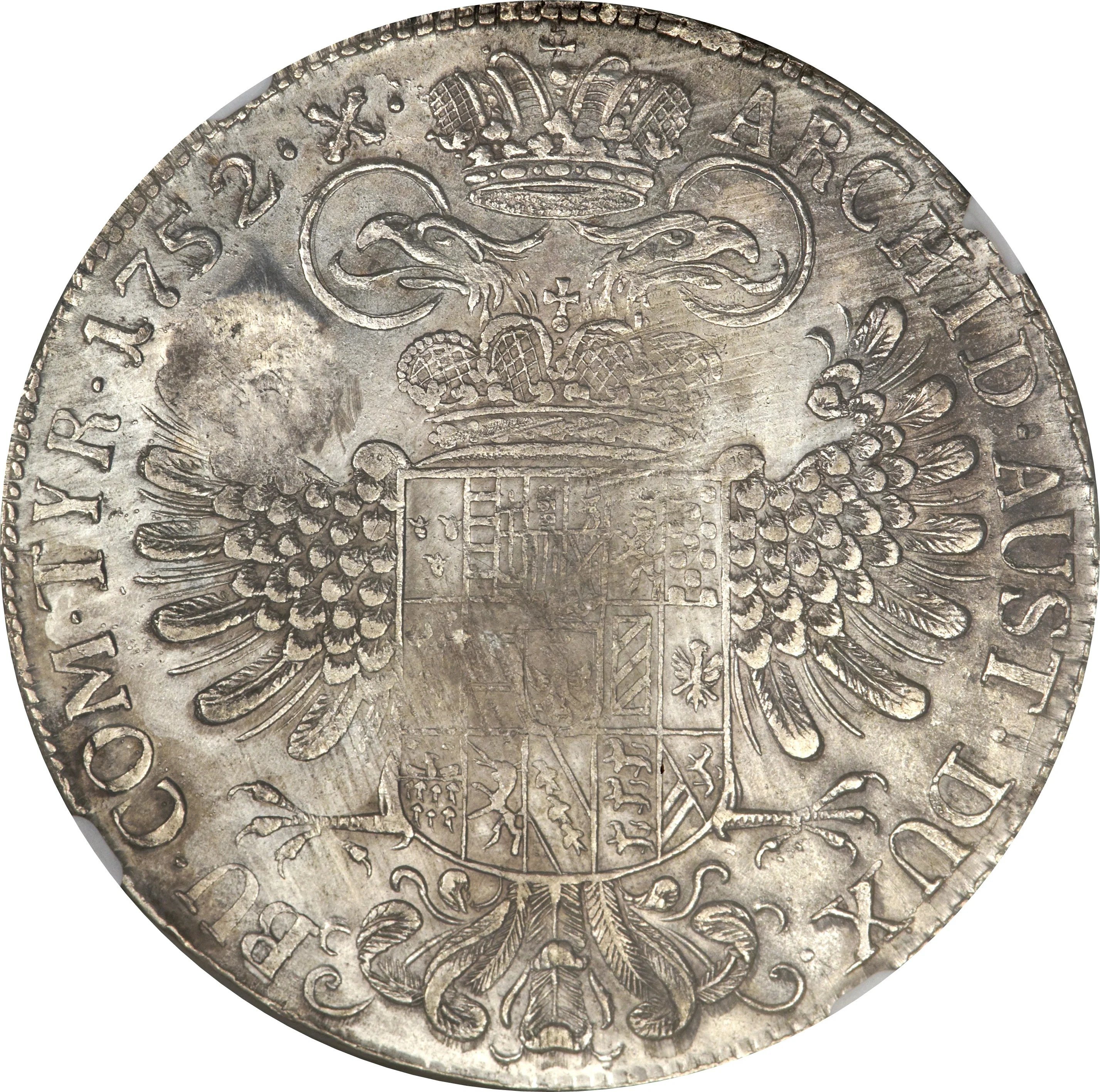
reverse
Heritage Auctions

1 Thaler – Sultanate of Sumenep

Indonesia
Context
Years: 1811–1854
Country: Indonesia Country flag
Demonetized: Yes
Material
Weight: 28 g
Silver weight: 28.00 g
Shape: Round
Composition: Silver
Magnetic: No
Technique: Countermarked
References
KM: #Click to copy to clipboard199.2
Numista: #126492
Value
Bullion value: $78.00

Obverse

Description:
Portrait right, Madura star countermark on shoulder ornaments.
Inscription:
M·THERESIA·D·G· R // IMP·GE·HU·BO·REG·
Translation:
M·THERESIA·D·G· R // IMP·GE·HU·BO·REG·

Maria Theresa, by the grace of God, Queen // Empress of Germany, of Hungary, of Bohemia, etc.
Language: Latin

Reverse

Description:
Imperial eagle bearing Tyrol's shield on its breast.
Inscription:
ARCHID·AUST·DUX· BU·COM·TYR· date X

Edge

Mintings

YearMint MarkMintageQualityCollection

Historical background

In 1811, the Sultanate of Sumenep on the island of Madura was navigating a complex monetary landscape shaped by both local tradition and external colonial pressures. The internal economy traditionally relied on a bimetallic system of gold mas and silver real coins, alongside low-denomination copper picis (often imported from China) for everyday transactions. However, the authority of the Sumenep Sultanate to issue its own currency was increasingly constrained by the dominance of the Dutch East India Company (VOC), which had long sought to standardize currency across its sphere of influence to control trade and taxation.

This year was particularly significant as it fell during the British interregnum in the Napoleonic Wars, with Java having been captured by British forces in 1811. While direct British administrative control over Sumenep was limited, the shift in colonial power created uncertainty in the monetary system. The circulation of various foreign coins—including Spanish silver dollars (the real de a ocho), Dutch guilders, and local Javanese coins—continued, leading to a fragmented market where exchange rates could fluctuate. The Sultanate’s own minting capacity was likely limited, focusing on producing coins that affirmed the sovereignty of Sultan Pakunataningrat I, but these operated within a much broader and contested regional currency sphere.

Ultimately, the currency situation in Sumenep in 1811 reflected a polity attempting to maintain economic autonomy while being inextricably linked to the volatile trade networks and political ambitions of competing European powers. The coexistence of indigenous, Dutch, Spanish, and Chinese coinage underscored the Sultanate’s role in maritime commerce, but also highlighted the persistent external pressures that would eventually erode its monetary sovereignty as colonial consolidation advanced later in the 19th century.
Legendary