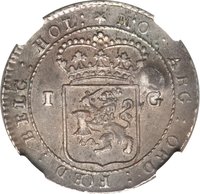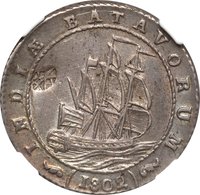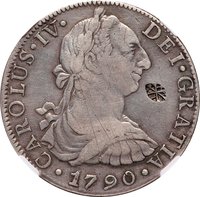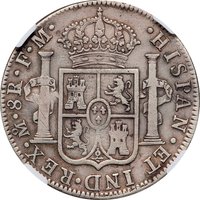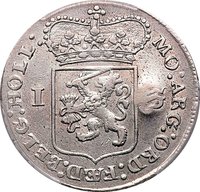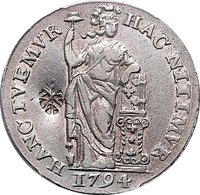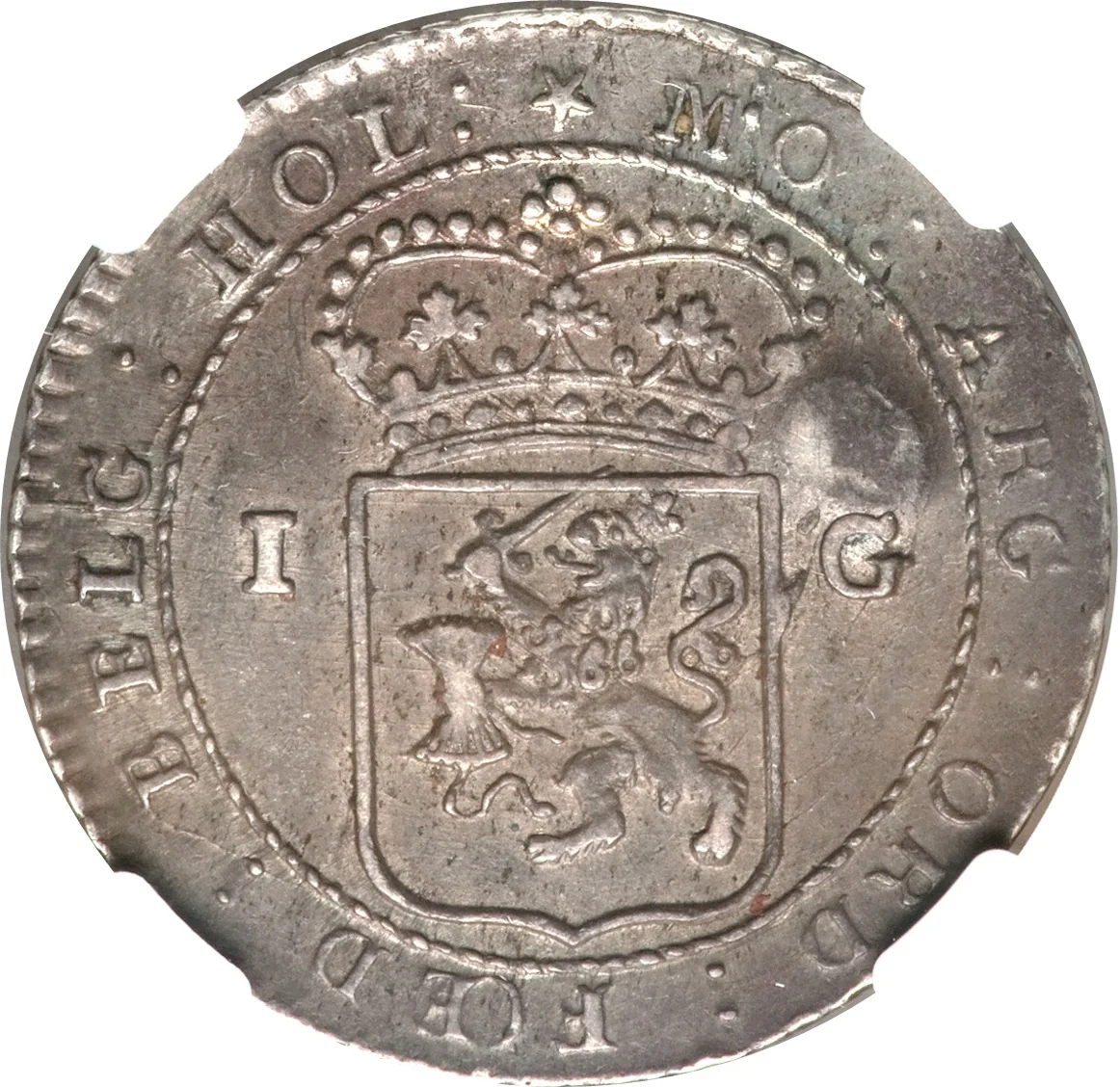
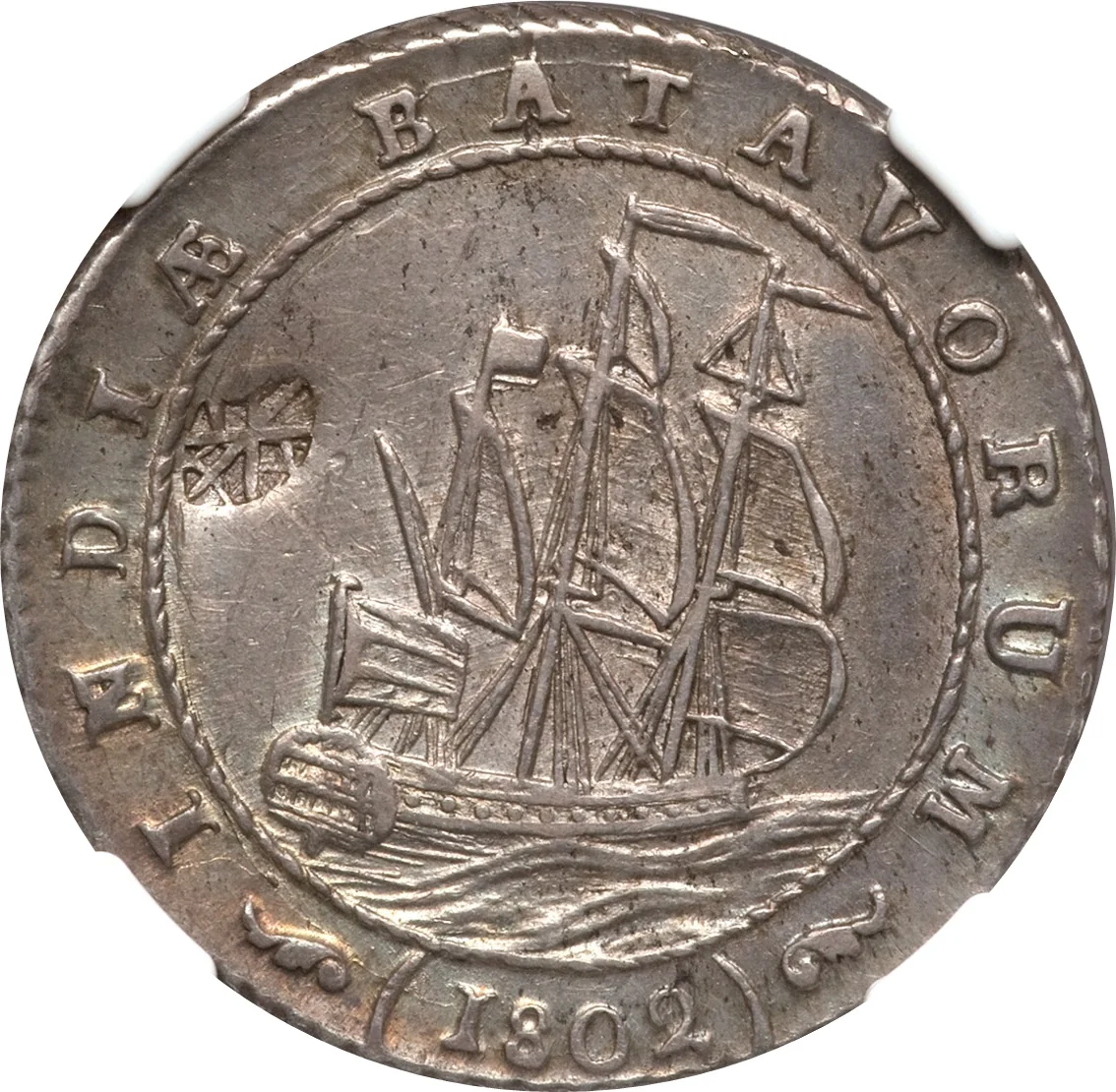
In 1802, the Sultanate of Sumenep on the island of Madura was navigating a complex monetary landscape characteristic of many Indonesian polities in the late pre-colonial period. The local economy operated on a multi-currency system, where various forms of money circulated simultaneously. The most prominent were the Spanish silver dollar (real de a ocho or "ringgit") and Dutch silver coins (ducatons and rijksdaalders), which served as the primary mediums for significant trade, state finance, and hoarding. These imported coins were valued by their intrinsic silver content and were essential for external commerce, particularly with European traders and neighboring Javanese ports.
Alongside this "hard" foreign currency, a vibrant local currency system persisted. This included
picis—low-value Chinese lead or tin coins—used for everyday small transactions in the markets. More uniquely, Sumenep, like other Madurese kingdoms, also produced its own
tampang or "star money": crude, locally minted tin coins often stamped with a star or other symbols. These currencies facilitated the internal bazaar economy and tax payments, though their value was unstable and often subject to depreciation. The Sultanate's authority was expressed through its right to mint these local tokens and to periodically call them in for re-minting, a process that generated seigniorage revenue.
This dual system created a stratified financial environment. The state treasury and the elite dealt in heavy silver, tying Sumenep's fiscal health to the flow of global bullion, while the common populace relied on base metal tokens. The situation was further complicated by the looming influence of the Dutch East India Company (VOC), which, though bankrupt and dissolved in 1799, had left a legacy of monetary intervention. By 1802, the Dutch state was seeking to reassert control, meaning Sumenep's monetary autonomy was under indirect pressure, caught between local tradition and the encroaching standardization demands of colonial power.