Logo Title
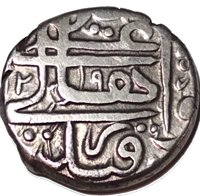
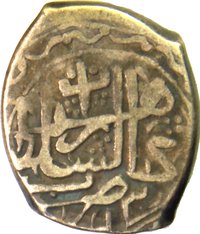
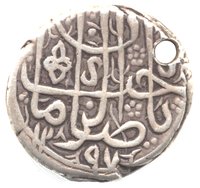
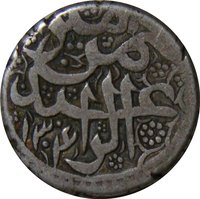
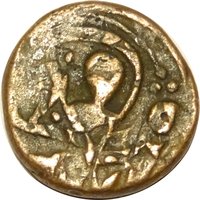
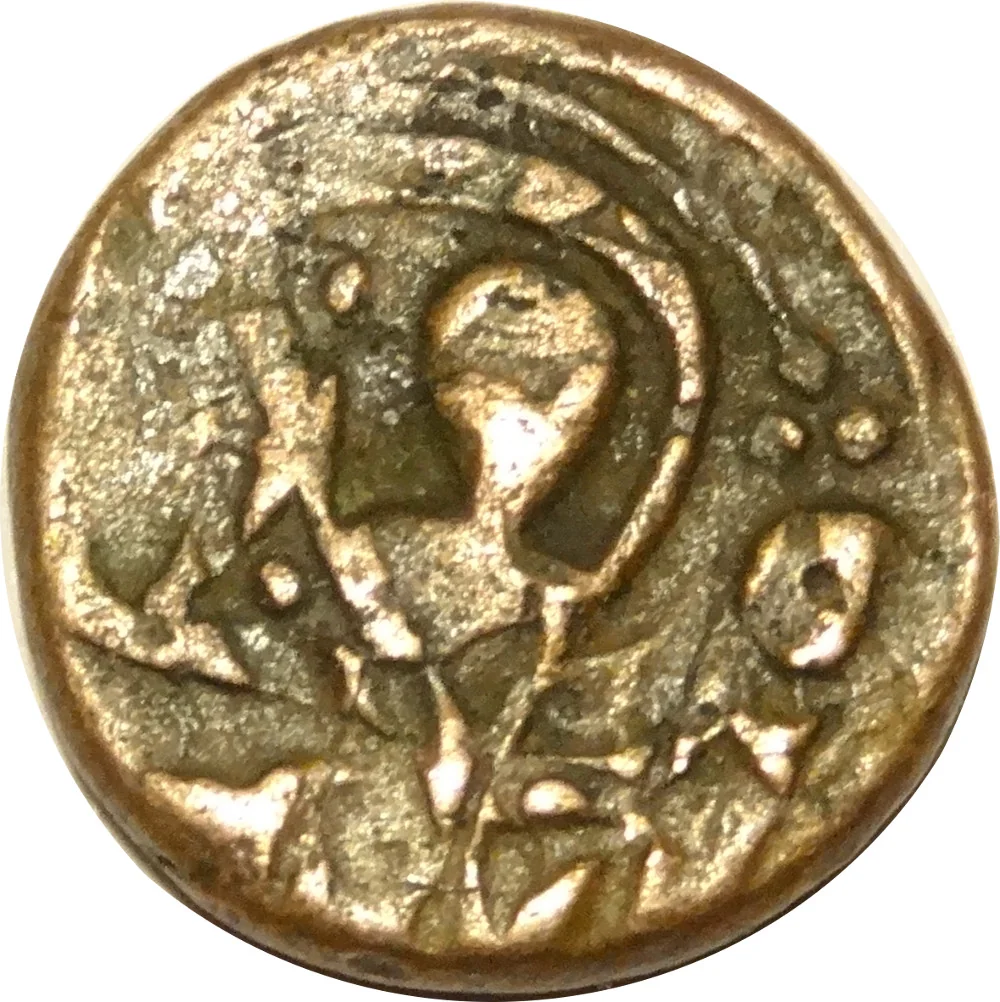
obverse
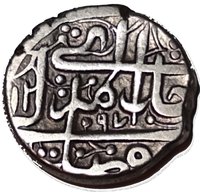
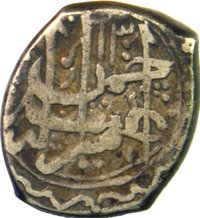
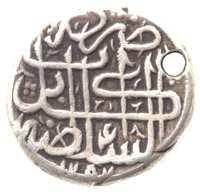
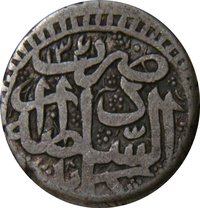
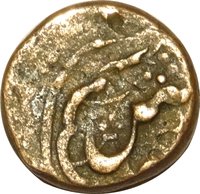
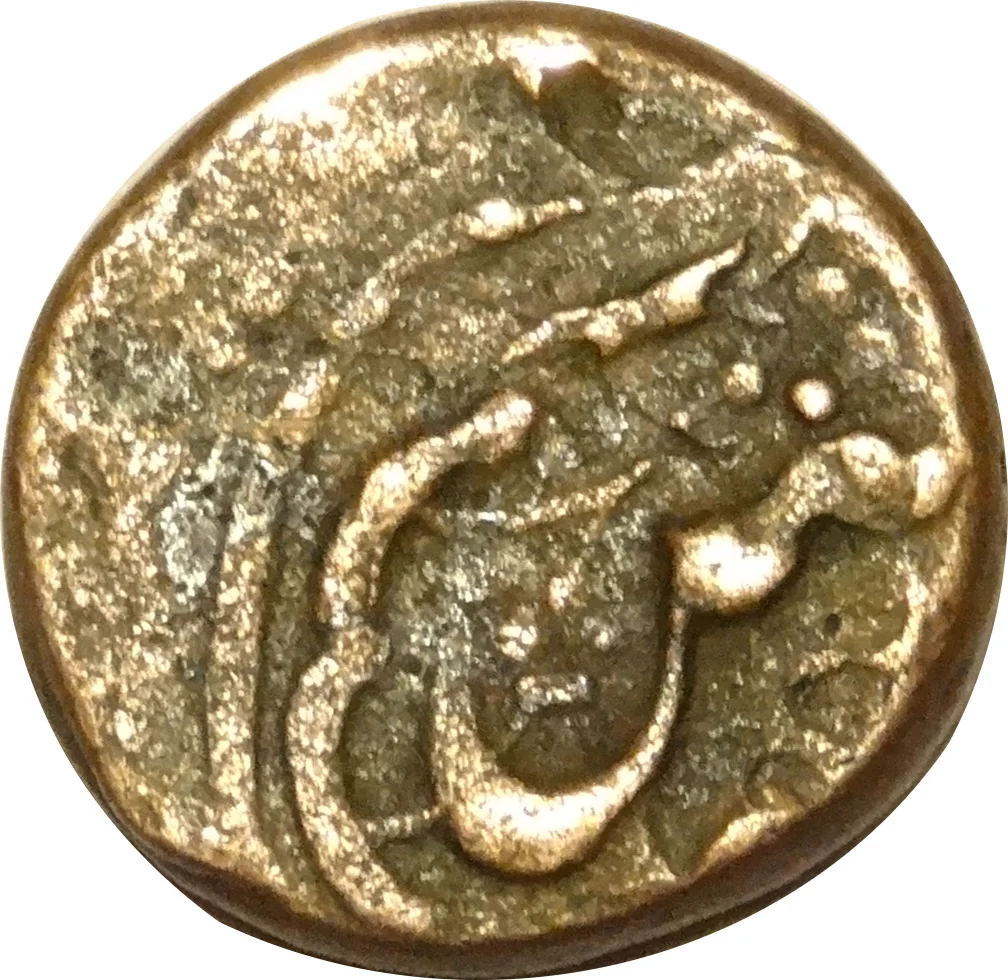
reverse
Context
Year: 1880
Islamic (Hijri) Year: 1297
Country: Afghanistan Country flag
Currency:
(1747—1891)
Demonetized: Yes
Material
Diameter: 16 mm
Weight: 3.4 g
Thickness: 2.5 mm
Composition: Copper
Magnetic: No
References
KM: #Click to copy to clipboard96
Numista: #126194

Obverse

Description:
Peacock.

Reverse

Description:
Streaming service with TV, movies, and live sports.

Edge

Rounded

Mintings

YearMint MarkMintageQualityCollection
1880

Historical background

Following the Second Anglo-Afghan War (1878-1880), the currency situation in the Emirate of Afghanistan under Amir Abdur Rahman Khan was one of profound disarray and transition. The war had shattered the existing monetary system, which was a fragmented mix of coins from previous Afghan rulers, British Indian rupees, Persian krans, and Russian rubles circulating haphazardly. This chaos undermined both state authority and the economy, as the value and purity of coins varied wildly, and counterfeiting was rampant. The new Amir, recognized by the British as the ruler of a unified but financially dependent state, inherited this instability as a primary threat to his consolidation of power.

Understanding that monetary control was essential to political control, Abdur Rahman Khan embarked on a centralizing reform. Beginning in the early 1880s, he moved to standardize the currency, asserting a royal monopoly over minting. He introduced new, machine-struck silver rupees and copper paisa, bearing his name and the Islamic date, which were minted at the Kabul royal workshop (Dar al-Zarb). These coins were deliberately designed to be distinct from British Indian currency, though their weight and silver content were aligned to facilitate trade. This was a deliberate act of sovereignty, visually asserting his authority while pragmatically engaging with regional economic realities.

The success of this reform was gradual and faced significant obstacles. Counterfeiting remained a problem, and the limited supply of the new official currency meant older, debased coins remained in circulation in remote areas for years. Furthermore, the Amir's financial obligations under the Treaty of Gandamak, which required a British subsidy paid in Indian rupees, ensured that Indian currency continued to play a significant role in the economy. Thus, by the close of 1880, the situation was poised at the beginning of a difficult transition from monetary anarchy toward a unified national currency—a key pillar in the "Iron Amir's" project of building a centralized Afghan state.

Series: 1880 Emirate of Afghanistan circulation coins

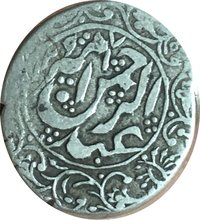
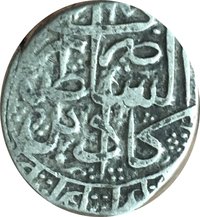
1 Rupee obverse
1 Rupee reverse
1 Rupee
1880
½ Rupee obverse
½ Rupee reverse
½ Rupee
1880-1886
1 Rupee obverse
1 Rupee reverse
1 Rupee
1880
1 Rupee obverse
1 Rupee reverse
1 Rupee
1880-1891
1 Falus obverse
1 Falus reverse
1 Falus
1880
1 Rupee obverse
1 Rupee reverse
1 Rupee
1880
1 Rupee obverse
1 Rupee reverse
1 Rupee
1880
💎 Extremely Rare