

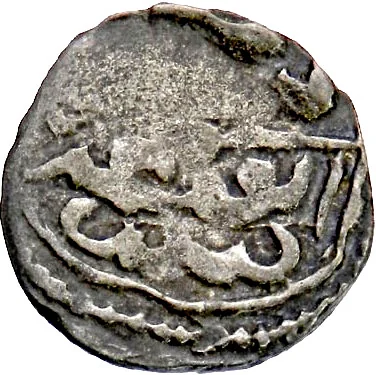
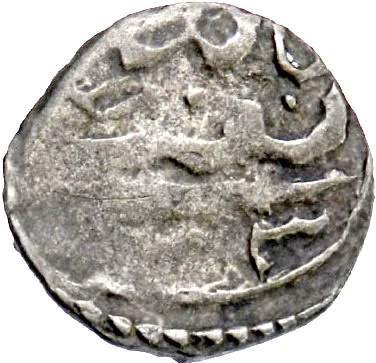
1 buqsha – Sheikhdom of Abu ʽArish
Add to wishlist
Yemen
Context
Year: 1818
Islamic (Hijri) Year:: 1233
Country: Yemen
Issuer: Sheikhdom of Abu ʽArish
Currency:
(1802—1818)
Demonetized: Yes
Material
References
Numista: #104381
Obverse
Reverse
Edge
Mintings
| Year | Mint Mark | Mintage | Quality | Collection |
|---|---|---|---|---|
| 1818 | — | — |
Historical background
In 1818, the Sheikhdom of Abu ʽArish, located on the southern Red Sea coast in what is today southwestern Saudi Arabia, operated within a complex and fragmented monetary environment. As a minor polity within the broader sphere of the Ottoman Empire and the Arabian Peninsula, it lacked a centralized, minted currency of its own. Instead, its economy relied on a diverse mix of foreign and historic coins that circulated through trade, pilgrimage routes, and regional political ties. The most important of these were the Ottoman qurush (piastres) and the Spanish silver dollar (8 reales), the latter being a globally recognized trade coin whose influence extended from the Americas to East Asia.
The circulation of currency was directly tied to Abu ʽArish’s role in regional commerce, including the coffee trade from Yemen and transit routes for pilgrims heading to Mecca. Alongside the dominant silver coins, older Yemeni imadi riyals and various Mamluk and medieval coins might still have seen limited use in local transactions. Furthermore, the persistent use of Maria Theresa thalers, valued for their consistent silver content, was beginning to establish itself as a key currency in Red Sea trade, a trend that would solidify in the coming decades. This multiplicity created a system where merchants and officials had to be adept at assessing the weight, purity, and prevailing exchange rates of a bewildering array of coins.
This monetary heterogeneity reflected the sheikhdom’s political reality in 1818, a year of significant regional upheaval. While nominally under Ottoman suzerainty, the power of Istanbul was often indirect, and local rulers like those of Abu ʽArish exercised considerable autonomy. The same year, the rise of the Wahhabi-inspired Emirate of Diriyah posed a major threat, culminating in its destruction by Egyptian forces. This instability disrupted trade routes and the flow of coinage, making the currency situation even more volatile. Thus, the money in use was not merely a medium of exchange but a tangible indicator of the sheikhdom’s interconnected yet precarious position amidst competing empires and regional powers.
The circulation of currency was directly tied to Abu ʽArish’s role in regional commerce, including the coffee trade from Yemen and transit routes for pilgrims heading to Mecca. Alongside the dominant silver coins, older Yemeni imadi riyals and various Mamluk and medieval coins might still have seen limited use in local transactions. Furthermore, the persistent use of Maria Theresa thalers, valued for their consistent silver content, was beginning to establish itself as a key currency in Red Sea trade, a trend that would solidify in the coming decades. This multiplicity created a system where merchants and officials had to be adept at assessing the weight, purity, and prevailing exchange rates of a bewildering array of coins.
This monetary heterogeneity reflected the sheikhdom’s political reality in 1818, a year of significant regional upheaval. While nominally under Ottoman suzerainty, the power of Istanbul was often indirect, and local rulers like those of Abu ʽArish exercised considerable autonomy. The same year, the rise of the Wahhabi-inspired Emirate of Diriyah posed a major threat, culminating in its destruction by Egyptian forces. This instability disrupted trade routes and the flow of coinage, making the currency situation even more volatile. Thus, the money in use was not merely a medium of exchange but a tangible indicator of the sheikhdom’s interconnected yet precarious position amidst competing empires and regional powers.
✨ Legendary