

1 Paisa – Emirate of Afghanistan
Afghanistan
Context
Years: 1920–1924
Country: Afghanistan 
Issuer: Emirate of Afghanistan
Ruler: Amanullah Khan
Currency:
(1891—1923)
Demonetized: Yes
Material
References
KM: #Click to copy to clipboard880
Numista: #125279
Obverse
Description:
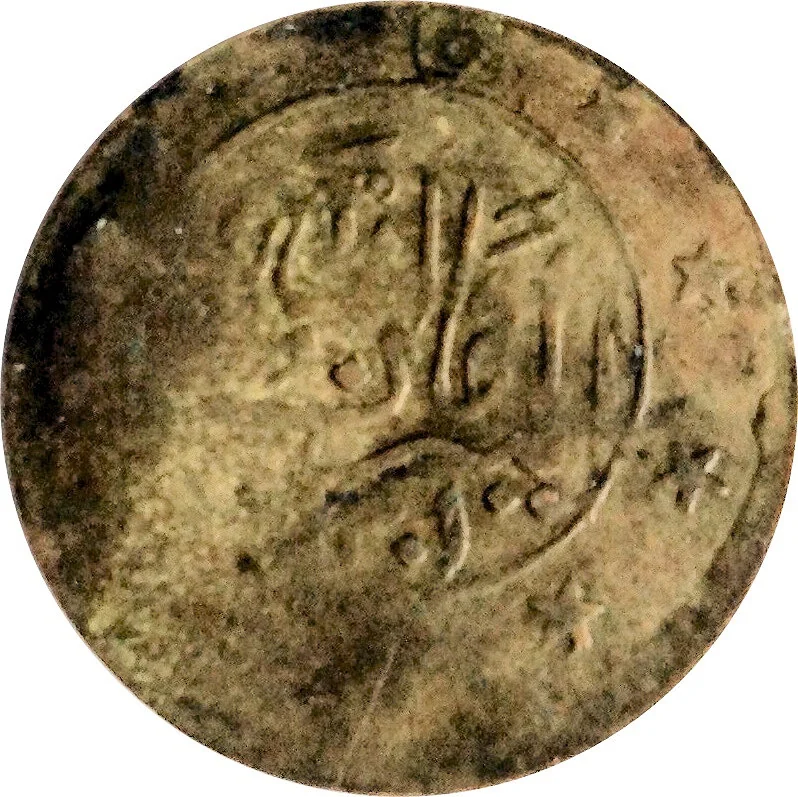
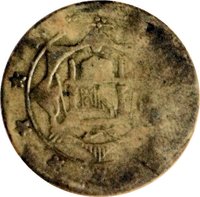
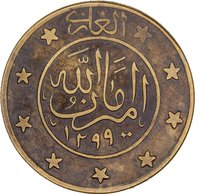
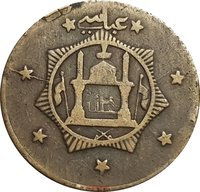
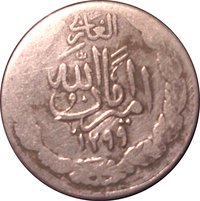
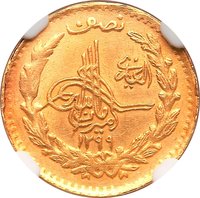
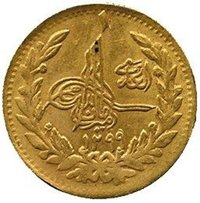
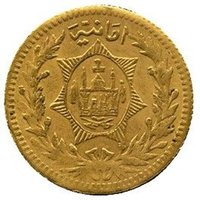
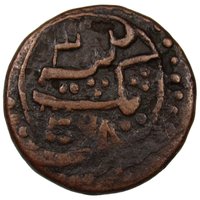
Inscription above date encircled by nine stars.
Reverse
Description:
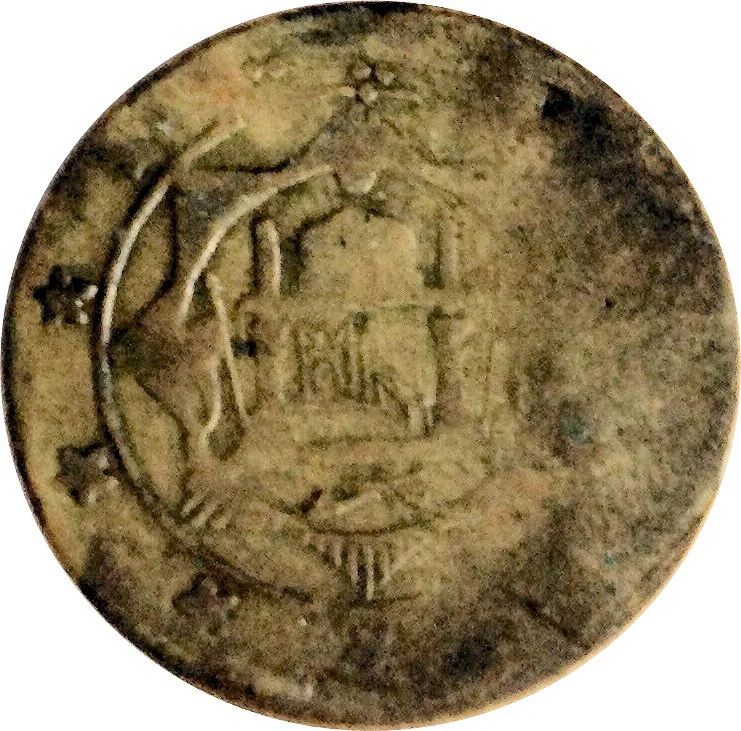
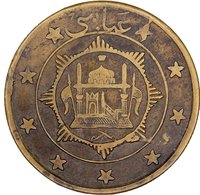
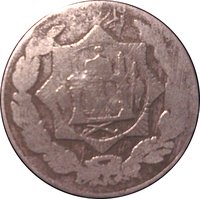
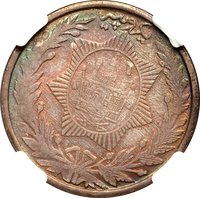
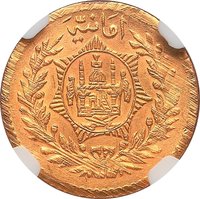
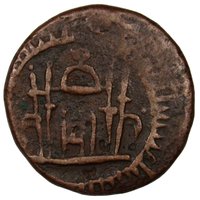
A mosque inside an eight-pointed star, circled by nine stars.
Edge
Categories
| Building> Religious building |
Mintings
| Year | Mint Mark | Mintage | Quality | Collection |
|---|---|---|---|---|
| 1920 | — | — | ||
| 1921 | — | — | ||
| 1922 | — | — | ||
| 1923 | — | — | ||
| 1924 | — | — |
Historical background
In 1920, the currency situation in the Emirate of Afghanistan under Amir Amanullah Khan was characterized by a complex and unstable monetary system, a legacy of the preceding decades. The primary circulating medium was the silver Afghan rupee, which competed with a plethora of foreign and historical coins. These included British Indian rupees, Persian krans, Russian tsarist rubles, and even older Afghan coins from previous rulers. This multiplicity created significant challenges for trade and state revenue, as exchange rates fluctuated and the government struggled to assert a uniform standard of value across its territories.
The state’s fiscal authority was further weakened by a chronic shortage of precious metals and a lack of modern minting capacity. While the Kabul mint produced coins, output was inconsistent and failed to meet the economy's needs. Consequently, the currency in circulation was often debased, leading to a loss of public confidence and widespread hoarding of full-weight silver coins (Gresham’s Law in practice). This environment hampered Amanullah’s ambitions for modernization and centralization, as a unreliable currency obstructed domestic commerce and complicated the government's ability to pay its soldiers and civil servants reliably.
Recognizing these impediments, 1920 fell within a period of gradual monetary reform initiated by Amanullah after gaining full independence following the Third Anglo-Afghan War (1919). His government began to take firmer steps toward establishing a national currency, a process that would culminate in the introduction of the afghani in 1925. Therefore, the currency situation in 1920 represents a critical transitional phase—still defined by the disorder of the past but on the cusp of a deliberate, state-driven effort to create a unified monetary system as a foundation for a sovereign modern nation.
The state’s fiscal authority was further weakened by a chronic shortage of precious metals and a lack of modern minting capacity. While the Kabul mint produced coins, output was inconsistent and failed to meet the economy's needs. Consequently, the currency in circulation was often debased, leading to a loss of public confidence and widespread hoarding of full-weight silver coins (Gresham’s Law in practice). This environment hampered Amanullah’s ambitions for modernization and centralization, as a unreliable currency obstructed domestic commerce and complicated the government's ability to pay its soldiers and civil servants reliably.
Recognizing these impediments, 1920 fell within a period of gradual monetary reform initiated by Amanullah after gaining full independence following the Third Anglo-Afghan War (1919). His government began to take firmer steps toward establishing a national currency, a process that would culminate in the introduction of the afghani in 1925. Therefore, the currency situation in 1920 represents a critical transitional phase—still defined by the disorder of the past but on the cusp of a deliberate, state-driven effort to create a unified monetary system as a foundation for a sovereign modern nation.
💎 Extremely Rare