



1 Mun – Joseon
Context
Material
Diameter: 25 mm
Weight: 4 g
Shape: Round with a square hole
Composition: Bronze
Magnetic: No
Alignment: Medal alignment

flip

References
KM: #Click to copy to clipboard340
Numista: #555095
Obverse
Description:
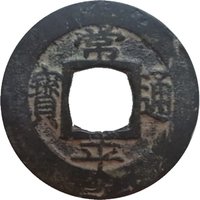
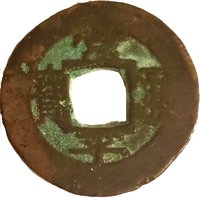
常平通寶 (Sang pyong Tong bo) - Yi Dynasty Korean currency.
Inscription:
常
寶 通
平
寶 通
平
Scripts: Chinese (traditional, regular script)
Reverse
Description:
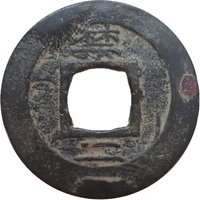
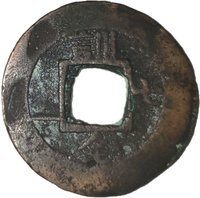
Mint mark top, serial number bottom *禁 (Kum): Court Guard Unit
Inscription:
禁
1~8
1~8
Scripts: Chinese (traditional, regular script)
Edge
Mints
| Name | Mark |
|---|---|
| Court Guard Military Unit | 禁 |
Mintings
| Year | Mint Mark | Mintage | Quality | Collection |
|---|---|---|---|---|
| 1823 | 禁 | — |
Historical background
In 1823, the currency system of the Joseon Dynasty was in a state of profound instability, caught between a debased coinage and a rampant counterfeit economy. The primary circulating coin, the sangpyeong tongbo brass cash coin, was officially minted by the state, but its real value was severely undermined. Years of financial strain had led the government to secretly reduce the copper content in the coins while increasing the amount of cheaper zinc and lead, a practice known as yogye. This debasement, intended to generate short-term revenue, eroded public trust and triggered inflation, as more coins were required to purchase the same goods.
The vacuum of trust was filled by privately minted counterfeit coins, known as sasaeng tongbo, which flooded the market. These counterfeits, often of even poorer quality than the official debased coins, were produced on a massive scale by clandestine workshops, some with alleged collusion from corrupt officials. The sheer volume of these illicit coins made them a de facto currency, further distorting prices and crippling the state's ability to control its own monetary policy. Attempts to recall and re-mint currency only temporarily alleviated the problem, as the fundamental incentives for counterfeiting remained.
This monetary chaos had severe socio-economic consequences. The instability disproportionately harmed peasants and the lower yangban who relied on fixed transactions, while benefiting wealthy merchants and landlords who could manipulate the system. It exacerbated existing inequalities and contributed to widespread social discontent. Therefore, the currency situation in 1823 was not merely a financial crisis but a symptom of deeper administrative weakness and corruption, undermining the economic foundations of the late Joseon state and foreshadowing the greater turmoil that would characterize the 19th century.
The vacuum of trust was filled by privately minted counterfeit coins, known as sasaeng tongbo, which flooded the market. These counterfeits, often of even poorer quality than the official debased coins, were produced on a massive scale by clandestine workshops, some with alleged collusion from corrupt officials. The sheer volume of these illicit coins made them a de facto currency, further distorting prices and crippling the state's ability to control its own monetary policy. Attempts to recall and re-mint currency only temporarily alleviated the problem, as the fundamental incentives for counterfeiting remained.
This monetary chaos had severe socio-economic consequences. The instability disproportionately harmed peasants and the lower yangban who relied on fixed transactions, while benefiting wealthy merchants and landlords who could manipulate the system. It exacerbated existing inequalities and contributed to widespread social discontent. Therefore, the currency situation in 1823 was not merely a financial crisis but a symptom of deeper administrative weakness and corruption, undermining the economic foundations of the late Joseon state and foreshadowing the greater turmoil that would characterize the 19th century.
✨ Legendary