

1 cent – United States
Add to wishlist
United States
Context
Material
References
Numista: #554485
Value
Exchange value: 0.01 USD = $0.01
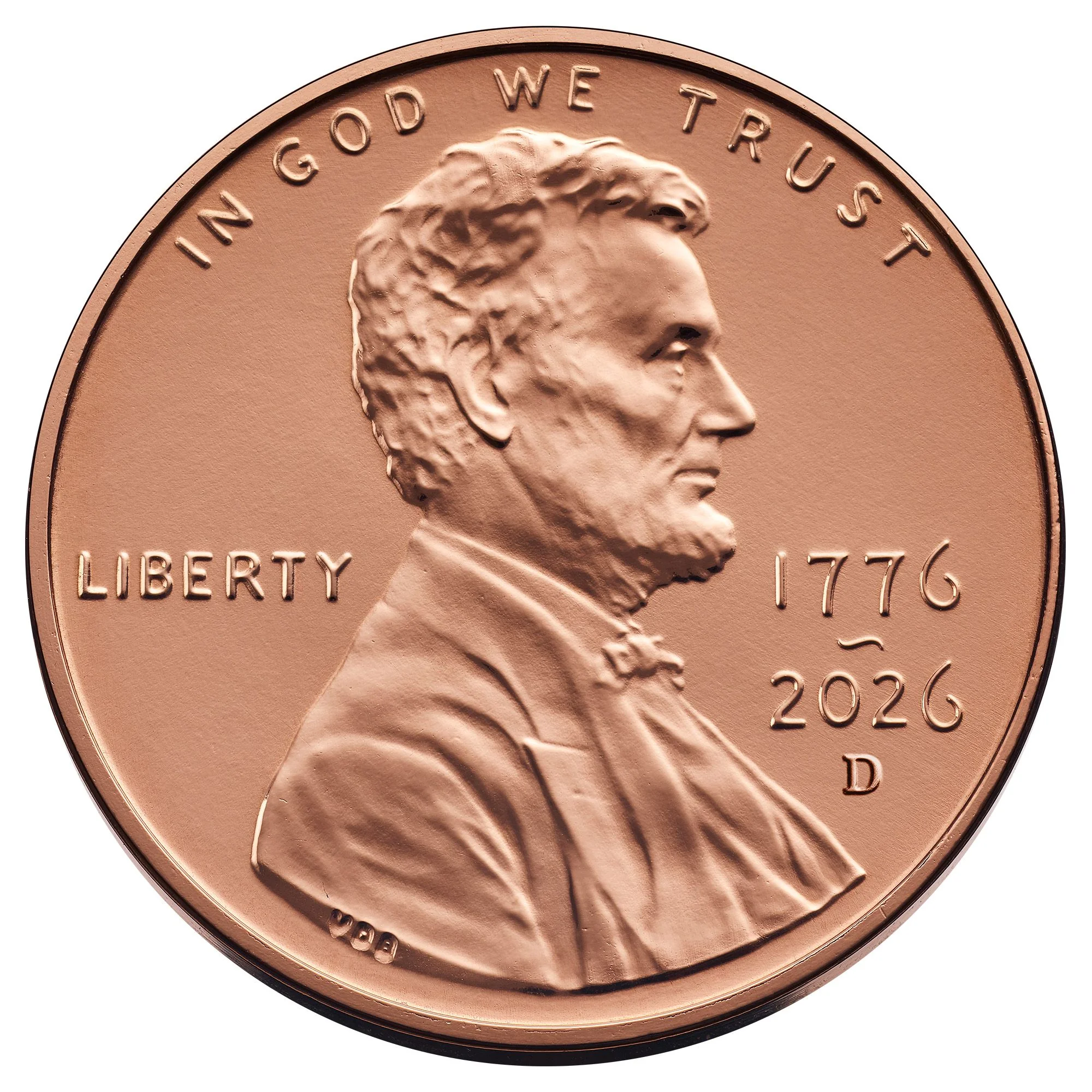
Obverse
Description:
Lincoln bust with date above mintmark.
Inscription:
IN GOD WE TRUST
LIBERTY
1776
~
2026
D
VDB
LIBERTY
1776
~
2026
D
VDB
Script: Latin
Designer and engraver: Victor David Brenner
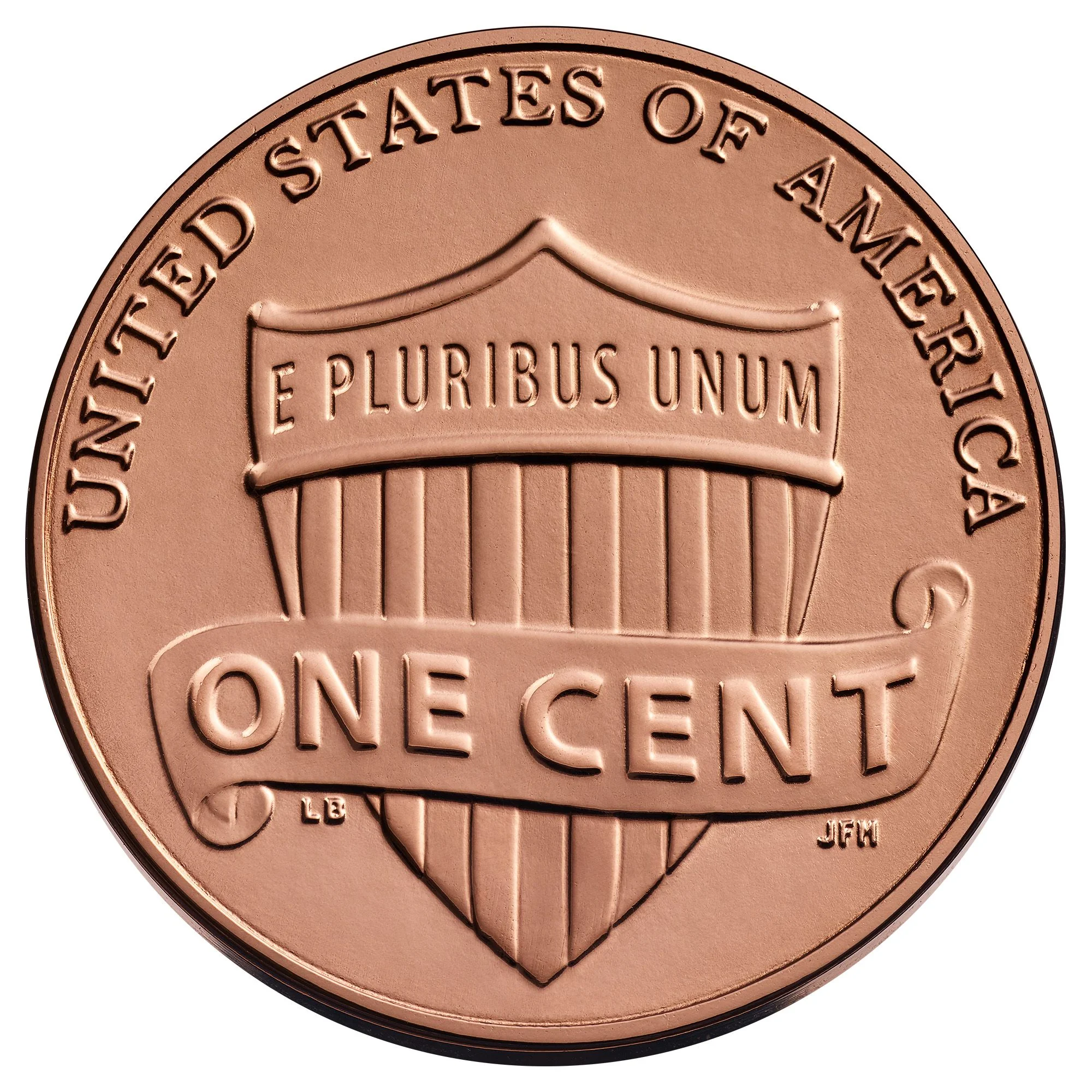
Reverse
Description:
Value ribbon above shield.
Inscription:
UNITED STATES OF AMERICA
E PLURIBUS UNUM
ONE CENT
LB JFM
E PLURIBUS UNUM
ONE CENT
LB JFM
Script: Latin
Engraver: Joseph Francis Menna
Designer: Lyndall Bass
Edge
Plain
Categories
| Person> Politician |
Mints
| Name | Mark |
|---|---|
| United States Mint of Denver | D |
| United States Mint of Philadelphia | P |
| United States Mint of San Francisco | S |
Historical background
In 2026, the United States finds itself navigating a complex and transitional currency landscape, shaped by the enduring consequences of post-pandemic fiscal policies and the accelerating digital shift. While physical cash remains in circulation, its use has continued a steady decline, accounting for less than 15% of all point-of-sale transactions. The primary monetary policy focus has shifted from combating the high inflation of the early 2020s to managing the "last mile" of disinflation and addressing the economic impacts of a significantly higher federal debt burden. The Federal Reserve's tools have evolved, with the Central Bank Digital Currency (CBDC) pilot, the "digital dollar," moving into a limited public testing phase, sparking intense debate over privacy, financial inclusion, and the future role of private banks.
The private sector's digital currency ecosystem has matured decisively. Stablecoins, particularly those issued by large financial consortia and tech firms with stringent asset-backing disclosures, have gained regulatory clarity and are now commonly used for instant settlements and embedded finance applications. This has created a two-tiered digital money system: government-sanctioned stablecoins and Fed-controlled CBDC trials operating alongside a still-dominant traditional commercial banking system. Meanwhile, the U.S. dollar's global reserve currency status faces persistent, though not yet destabilizing, pressure from coordinated efforts by BRICS+ nations to facilitate trade in local currencies, reducing but far from eliminating dollar dependency.
Domestically, the financial infrastructure is marked by this hybrid reality. Congress remains locked in a legislative stalemate, unable to pass comprehensive crypto-asset framework laws, leaving regulatory authority fragmented between the SEC and CFTC. This uncertainty has driven most mainstream activity toward regulated stablecoins and away from speculative cryptocurrencies. For the average American, the experience is one of seamless digital payments, with concerns largely focused on data security and financial privacy rather than the form of money itself. The overarching narrative of 2026 is not one of crisis, but of a powerful incumbent system gradually and unevenly adapting to technological change while grappling with the long-term macroeconomic constraints of its past decisions.
The private sector's digital currency ecosystem has matured decisively. Stablecoins, particularly those issued by large financial consortia and tech firms with stringent asset-backing disclosures, have gained regulatory clarity and are now commonly used for instant settlements and embedded finance applications. This has created a two-tiered digital money system: government-sanctioned stablecoins and Fed-controlled CBDC trials operating alongside a still-dominant traditional commercial banking system. Meanwhile, the U.S. dollar's global reserve currency status faces persistent, though not yet destabilizing, pressure from coordinated efforts by BRICS+ nations to facilitate trade in local currencies, reducing but far from eliminating dollar dependency.
Domestically, the financial infrastructure is marked by this hybrid reality. Congress remains locked in a legislative stalemate, unable to pass comprehensive crypto-asset framework laws, leaving regulatory authority fragmented between the SEC and CFTC. This uncertainty has driven most mainstream activity toward regulated stablecoins and away from speculative cryptocurrencies. For the average American, the experience is one of seamless digital payments, with concerns largely focused on data security and financial privacy rather than the form of money itself. The overarching narrative of 2026 is not one of crisis, but of a powerful incumbent system gradually and unevenly adapting to technological change while grappling with the long-term macroeconomic constraints of its past decisions.

✨ Legendary