

1 Escudo – Spain
Spain
Material
Diameter: 18 mm
Weight: 3.38 g
Gold weight: 3.10 g
Shape: Round
Composition: 91.7% Gold
Magnetic: No
Technique: Roller milled
References
KM: #Click to copy to clipboard–
Numista: #551739
Value
Bullion value: $520.95
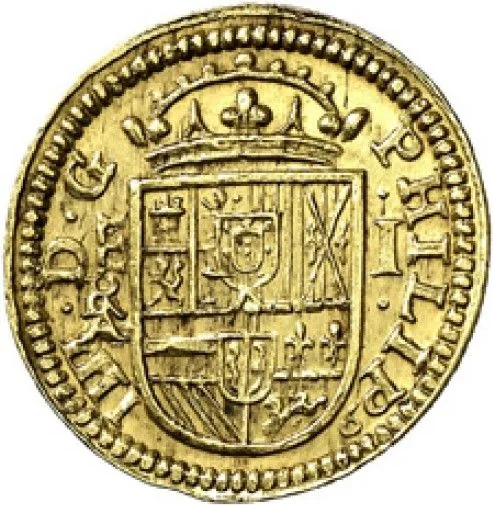
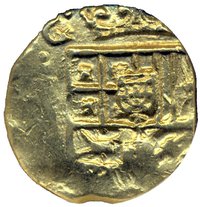
Obverse
Description:
Spanish coat of arms with Portuguese arms.
Inscription:
PHILIP IIII · D · G
BR A I
BR A I
Script: Latin
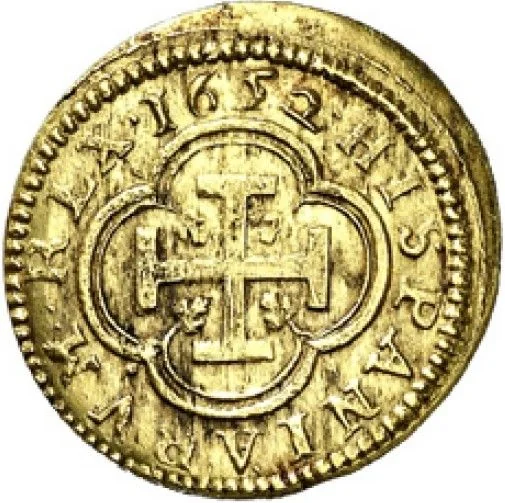
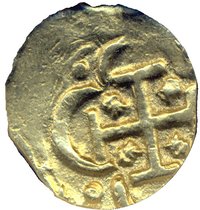
Reverse
Edge
Categories
| Symbols> Coat of Arms |
| Symbol> Cross |
Mints
| Name | Mark |
|---|---|
| Royal Mint of Segovia | — |
Mintings
| Year | Mint Mark | Mintage | Quality | Collection |
|---|---|---|---|---|
| 1628 | I | — | ||
| 1652 | BR | — |
Historical background
In 1628, Spain’s currency system was in a state of profound crisis, a direct consequence of the Crown’s relentless fiscal demands to fund its vast military commitments in the Thirty Years' War and the Eighty Years' War. The primary monetary unit was the silver real and the gold escudo, but the heart of the problem was the proliferation of vastly depreciated vellón coinage—a crude alloy of copper with a tiny silver content. To meet short-term expenses, the governments of Philip III and Philip IV had engaged in repeated, massive debasements and manipulations of this vellón currency, flooding the economy with coins of little intrinsic worth.
This monetary policy triggered severe inflation, price instability, and a crippling phenomenon known as the disappearance of "good money." Gresham’s Law took full effect: high-value silver and gold coins were hoarded, exported, or melted down, leaving only the discredited copper vellón in daily circulation. This destroyed public confidence, complicated trade, and created a chaotic multi-tiered system where goods often had one price in silver and a much higher price in vellón. The situation was so dire that in 1627, the Crown had attempted a drastic "stabilization" by suddenly demonetizing all copper currency, a move that caused immediate economic paralysis and social unrest, forcing a partial reversal.
Thus, by 1628, the Spanish monetary landscape was one of confusion and distress. The state was trapped in a vicious cycle of currency manipulation to fund its wars, which in turn undermined the very economy needed to sustain those conflicts. While the famed silver fleets from the Americas still arrived, their treasure was increasingly mortgaged to foreign bankers and flowed directly out to service debts. The currency crisis of 1628 was a stark symptom of the deepening decline of Spanish Habsburg power, revealing the fatal contradiction between imperial ambitions and a crumbling domestic economic foundation.
This monetary policy triggered severe inflation, price instability, and a crippling phenomenon known as the disappearance of "good money." Gresham’s Law took full effect: high-value silver and gold coins were hoarded, exported, or melted down, leaving only the discredited copper vellón in daily circulation. This destroyed public confidence, complicated trade, and created a chaotic multi-tiered system where goods often had one price in silver and a much higher price in vellón. The situation was so dire that in 1627, the Crown had attempted a drastic "stabilization" by suddenly demonetizing all copper currency, a move that caused immediate economic paralysis and social unrest, forcing a partial reversal.
Thus, by 1628, the Spanish monetary landscape was one of confusion and distress. The state was trapped in a vicious cycle of currency manipulation to fund its wars, which in turn undermined the very economy needed to sustain those conflicts. While the famed silver fleets from the Americas still arrived, their treasure was increasingly mortgaged to foreign bankers and flowed directly out to service debts. The currency crisis of 1628 was a stark symptom of the deepening decline of Spanish Habsburg power, revealing the fatal contradiction between imperial ambitions and a crumbling domestic economic foundation.
✨ Legendary