

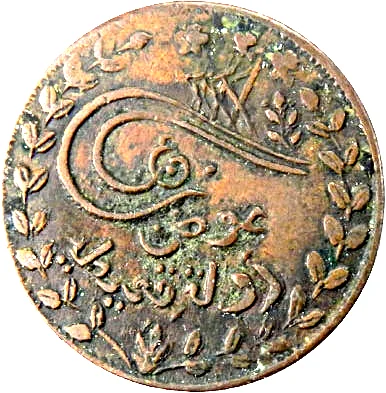
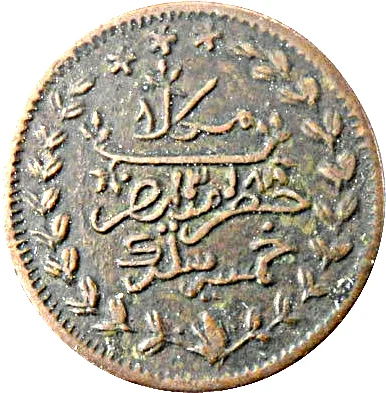
5 khumsiyyah – Qu'aiti Sultanate
Add to wishlist
Yemen
Context
Year: 1901
Islamic (Hijri) Year:: 1318
Country: Yemen
Issuer: Qu'aiti Sultanate
Currency:
Demonetized: Yes
Material
References
KM: #
Numista: #55957
Mintings
| Year | Mint Mark | Mintage | Quality | Collection |
|---|---|---|---|---|
| 1901 | — | — |
Historical background
In 1901, the Qu'aiti Sultanate in Hadhramaut (modern eastern Yemen) operated within a complex and fragmented monetary environment, characteristic of the wider South Arabian region. The state, while internally autonomous under its Sultan, existed within the sphere of British influence as a protectorate under the Aden Protectorate, which did not impose a unified currency. Consequently, the local economy relied on a diverse circulation of foreign silver coins. The most dominant of these was the Maria Theresa thaler (MT$), a large silver coin minted in Austria but traded widely across the Red Sea and Indian Ocean regions for its reliable silver content. Alongside it, various Indian rupees—especially the British Indian rupee—and Ottoman coins also circulated freely, their values fluctuating based on weight, fineness, and local demand.
This multi-currency system presented significant challenges for trade and administration. Exchange rates between the thaler, rupee, and smaller subsidiary coins like the pice were not fixed, leading to complexities in taxation, government accounting, and commercial contracts. The Qu'aiti state treasury had to manage revenues and expenditures in this unstable environment, where the value of collected taxes could effectively change depending on the mix of coins received. Furthermore, the physical inflow and outflow of these coins were tied to the seasonal rhythms of the region’s two main economic pillars: the annual monsoon-driven trade with India and East Africa, and the remittances sent home by the vast Hadhrami diaspora working in Southeast Asia.
There was no central mint within the Qu'aiti Sultanate itself. The monetary situation was one of passive acceptance and market-driven valuation rather than active currency management by the state. The authority of the Sultan was thus exercised not through the issuance of money, but through the maintenance of order and the collection of customs duties at ports like Mukalla and Shihr, where these foreign silver coins entered the economy. This system would remain largely unchanged until the mid-20th century, with the Maria Theresa thaler retaining its pivotal role in large transactions and as a store of wealth well beyond 1901.
This multi-currency system presented significant challenges for trade and administration. Exchange rates between the thaler, rupee, and smaller subsidiary coins like the pice were not fixed, leading to complexities in taxation, government accounting, and commercial contracts. The Qu'aiti state treasury had to manage revenues and expenditures in this unstable environment, where the value of collected taxes could effectively change depending on the mix of coins received. Furthermore, the physical inflow and outflow of these coins were tied to the seasonal rhythms of the region’s two main economic pillars: the annual monsoon-driven trade with India and East Africa, and the remittances sent home by the vast Hadhrami diaspora working in Southeast Asia.
There was no central mint within the Qu'aiti Sultanate itself. The monetary situation was one of passive acceptance and market-driven valuation rather than active currency management by the state. The authority of the Sultan was thus exercised not through the issuance of money, but through the maintenance of order and the collection of customs duties at ports like Mukalla and Shihr, where these foreign silver coins entered the economy. This system would remain largely unchanged until the mid-20th century, with the Maria Theresa thaler retaining its pivotal role in large transactions and as a store of wealth well beyond 1901.
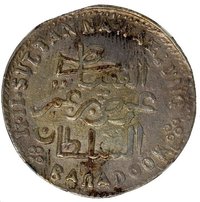
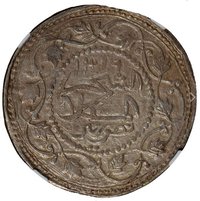
💎 Very Rare