

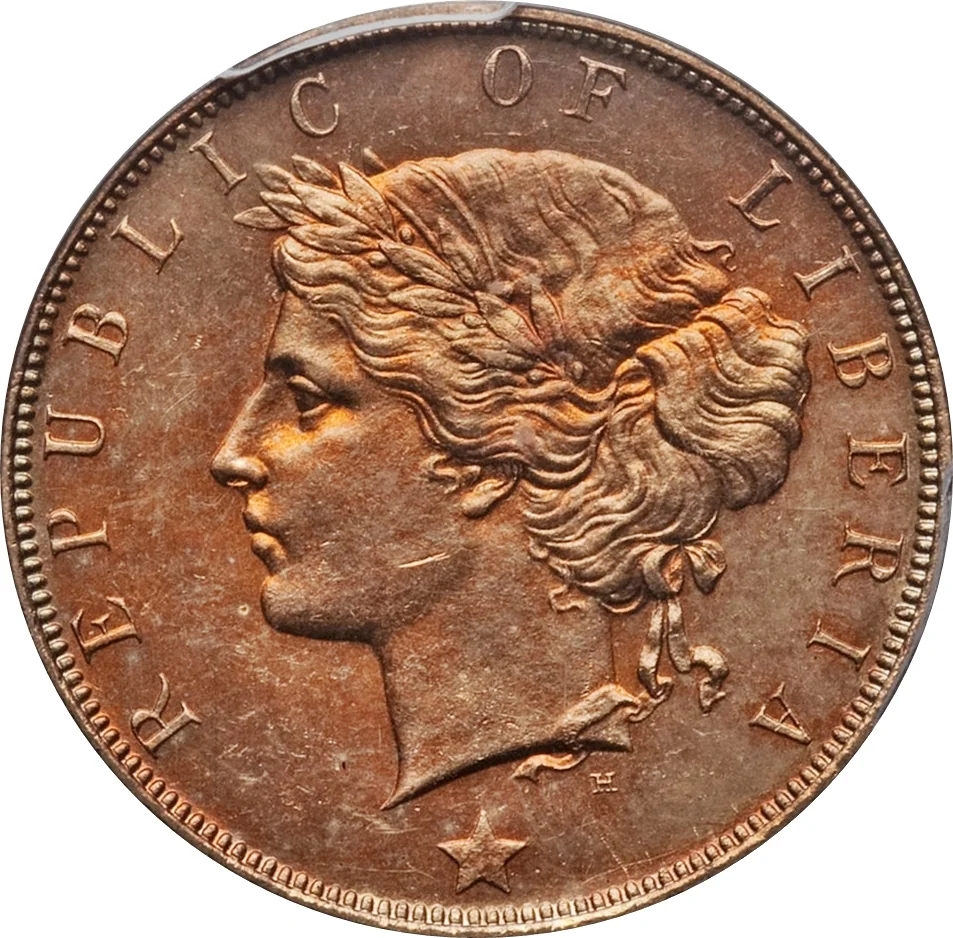
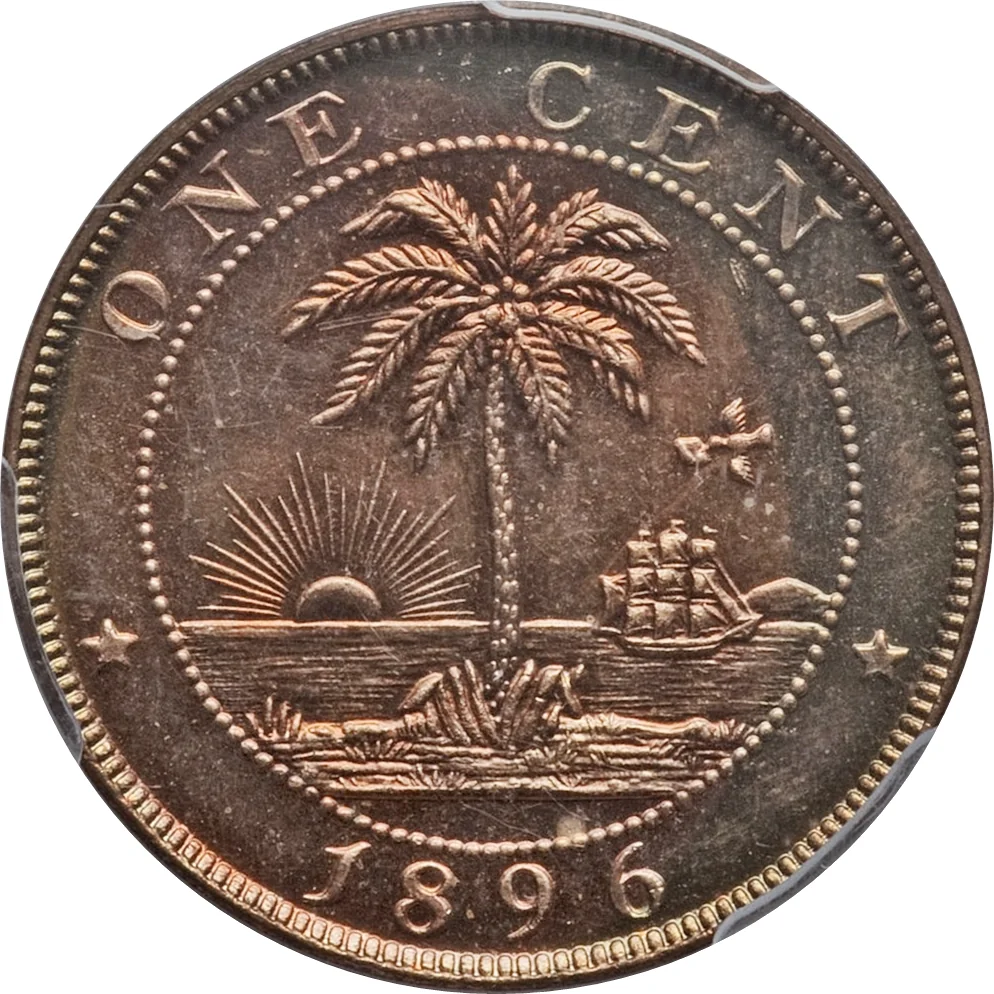
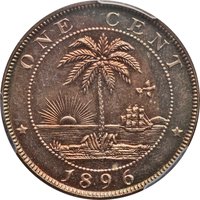
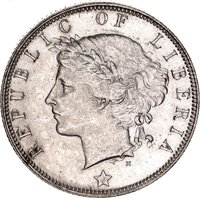
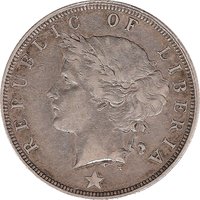
Obverse
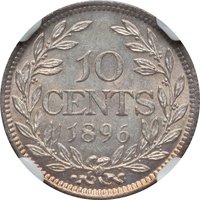
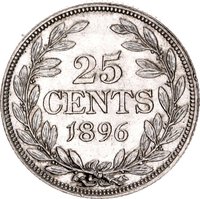
Reverse
Edge
Plain
Categories
| Animal> Bird |
| Plant> Tree |
| Transportation> Watercraft |
Mints
| Name | Mark |
|---|---|
| Heaton and Sons / The Mint Birmingham | H |
Historical background
In 1896, Liberia's currency situation was a complex and challenging reflection of its precarious position as an independent republic surrounded by European colonial territories. The nation officially operated on a dual-currency system, with both British sterling and U.S. dollars serving as legal tender. This was a practical necessity driven by trade; British coins from Sierra Leone and the West African shillings of the surrounding British colonies circulated widely, while the U.S. dollar maintained a strong influence due to Liberia's historical and economic ties with America. However, the supply of these hard currencies was chronically insufficient for the domestic economy.
The scarcity of official coinage led to the widespread use of alternative and informal means of exchange, creating a fragmented monetary environment. In the interior, trade was often conducted through barter, using commodities like tobacco, cloth, and rum. More notably, a variety of "iron money" or "Kissi pennies" (long, twisted iron rods) circulated among indigenous populations, particularly in the hinterlands beyond direct government control. This coexistence of modern coinage, commodity barter, and traditional currency highlighted the limited reach of the Monrovia-based government and the uneven integration of the national economy.
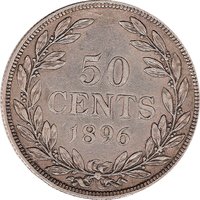
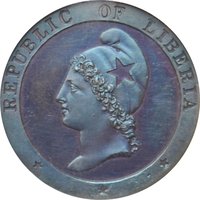
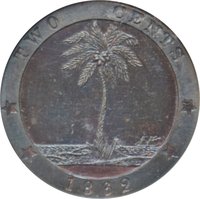
This chaotic monetary landscape posed significant problems for the Liberian government. It hindered efficient tax collection, complicated commerce, and symbolized the state's struggle to project economic sovereignty. Efforts to assert control, such as the issuance of Liberian coins in 1896, were largely unsuccessful. These coins, minted in England, failed to circulate widely as they were not accepted at face value by the foreign merchants who dominated coastal trade, who preferred sterling or dollars. Consequently, 1896 represents a period where Liberia’s monetary system was less a tool of national policy and more a symptom of its dependent and economically pressured position in the late 19th-century Atlantic world.
The scarcity of official coinage led to the widespread use of alternative and informal means of exchange, creating a fragmented monetary environment. In the interior, trade was often conducted through barter, using commodities like tobacco, cloth, and rum. More notably, a variety of "iron money" or "Kissi pennies" (long, twisted iron rods) circulated among indigenous populations, particularly in the hinterlands beyond direct government control. This coexistence of modern coinage, commodity barter, and traditional currency highlighted the limited reach of the Monrovia-based government and the uneven integration of the national economy.
This chaotic monetary landscape posed significant problems for the Liberian government. It hindered efficient tax collection, complicated commerce, and symbolized the state's struggle to project economic sovereignty. Efforts to assert control, such as the issuance of Liberian coins in 1896, were largely unsuccessful. These coins, minted in England, failed to circulate widely as they were not accepted at face value by the foreign merchants who dominated coastal trade, who preferred sterling or dollars. Consequently, 1896 represents a period where Liberia’s monetary system was less a tool of national policy and more a symptom of its dependent and economically pressured position in the late 19th-century Atlantic world.
Series: 1896 Liberia circulation coins
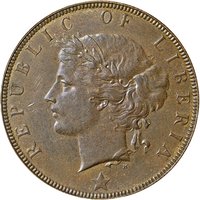
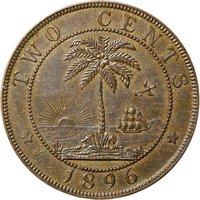
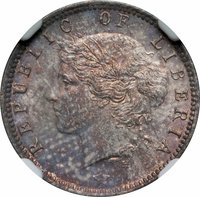
🌟 Uncommon