

1 ducat – Brunswick-Lüneburg-Calenberg-Hannover
Add to wishlist
Germany
Context
Material
References
KM: #
Numista: #266273
Value
Bullion value: $529.72
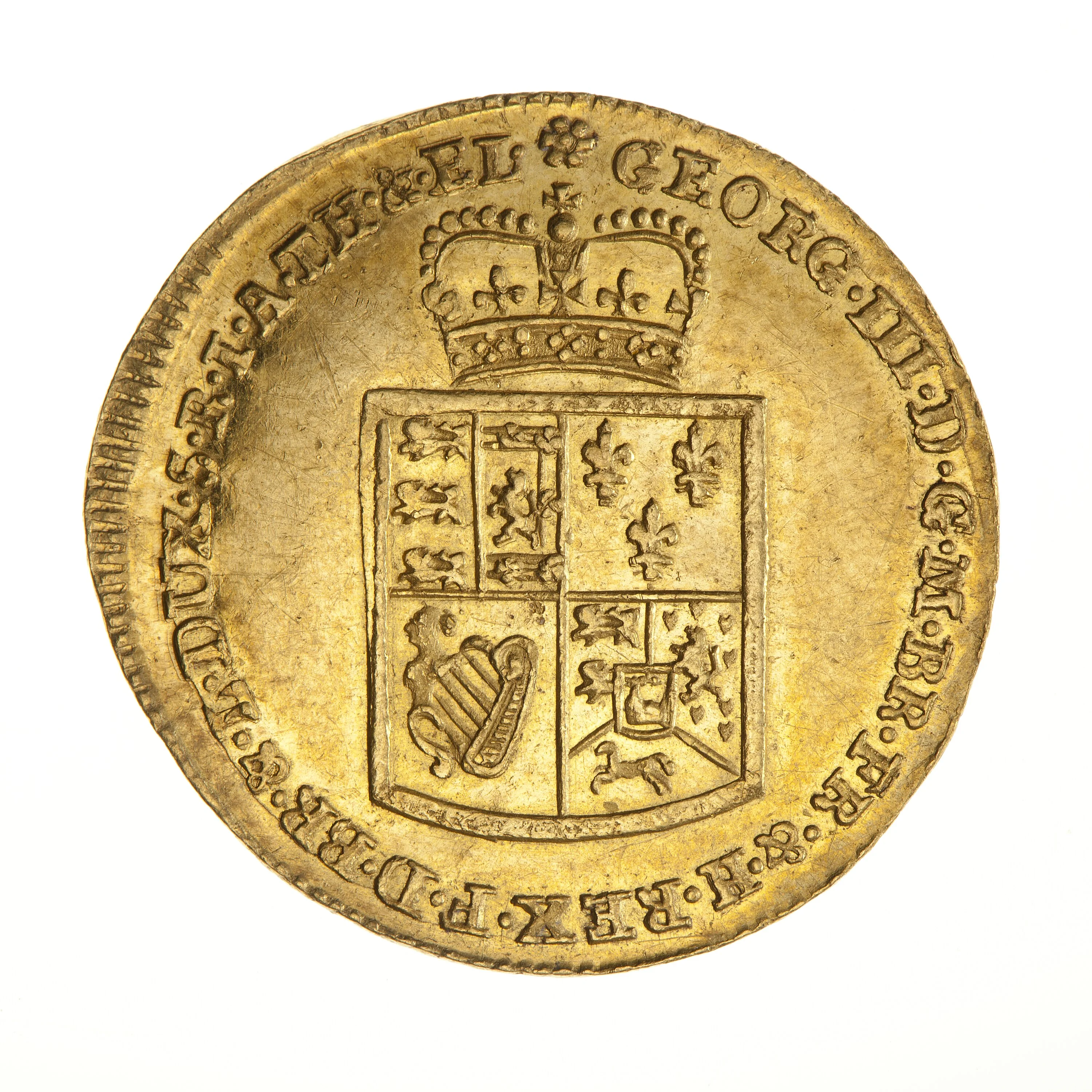
Obverse
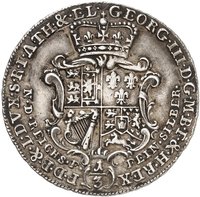
Description:
Quartered shield with a crown.
Inscription:
GEORG II D G M BR F & H REX F D B & L DVX S R I A TH & EL
Script: Latin
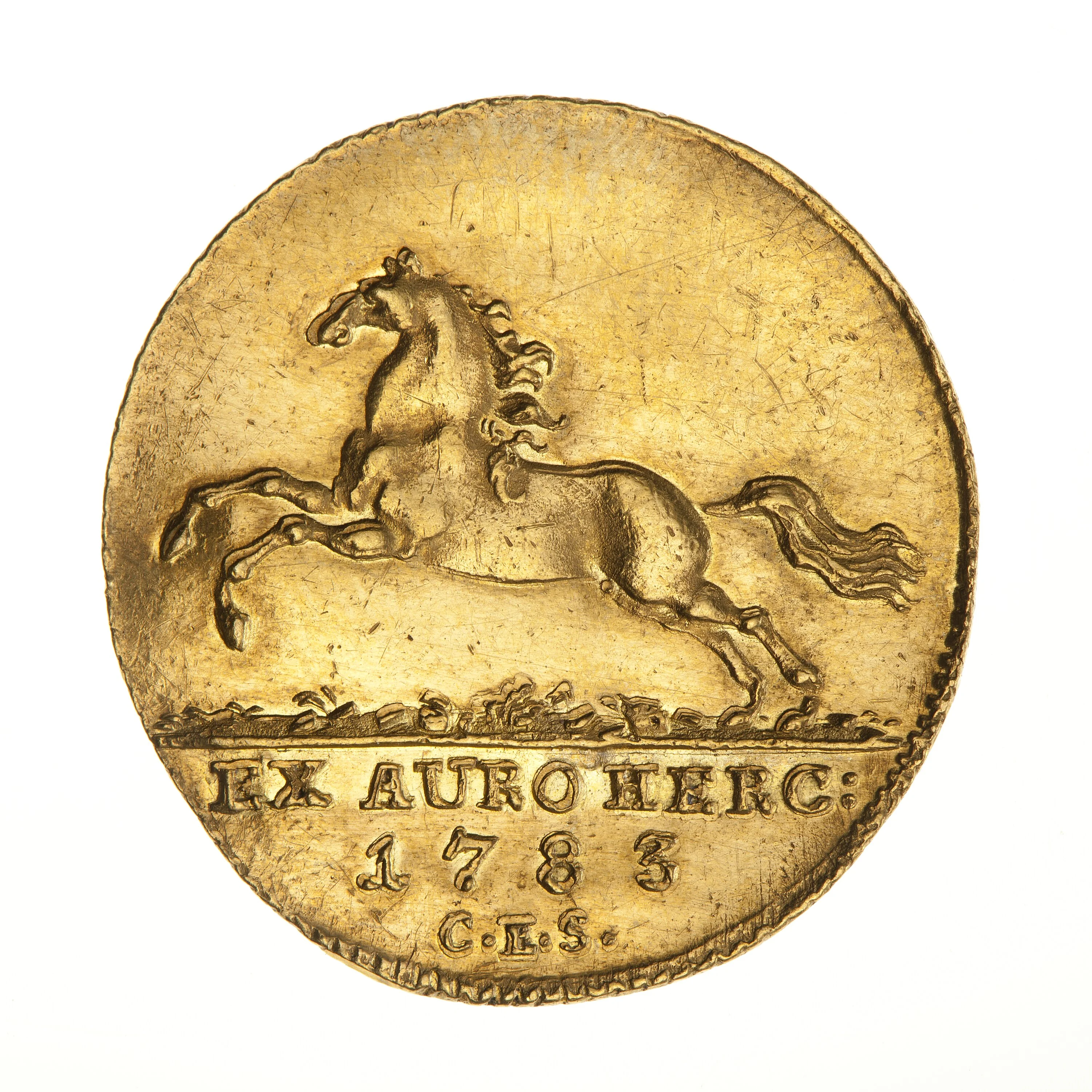
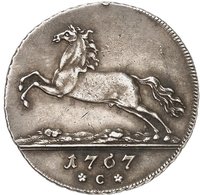
Reverse
Edge
Mints
| Name | Mark |
|---|---|
| Zellerfeld | — |
| Clausthal | C |
Mintings
| Year | Mint Mark | Mintage | Quality | Collection |
|---|---|---|---|---|
| 1767 | — | — | ||
| 1774 | — | — | ||
| 1776 | — | — | ||
| 1780 | — | — | ||
| 1783 | — | — | ||
| 1785 | — | — | ||
| 1789 | C | — |
Historical background
In 1767, the currency situation in the Duchy of Brunswick-Lüneburg, specifically the Principality of Calenberg (with its capital in Hanover), was characterized by significant complexity and instability. The region operated within the fragmented monetary system of the Holy Roman Empire, where numerous states issued their own coinage. Hanover itself circulated a variety of coins, including its own Thalers, Gute Groschen, and Mariengroschen, alongside the currencies of neighbouring states like Brunswick-Wolfenbüttel and even foreign coins from the Netherlands and France. This proliferation created a chaotic exchange environment detrimental to commerce and state finance.
The core problem was chronic debasement. Successive rulers had often reduced the silver content in coins to generate short-term revenue, especially to fund military engagements like the recent Seven Years' War (1756-1763). By 1767, the monetary standard was severely weakened, with the intrinsic metal value of coins frequently falling below their face value. This led to widespread mistrust, hoarding of older, purer coins (Gresham's Law), and inflationary pressures that harmed the economy and strained public credit.
Recognizing this crisis, the government under the regency for the young Duke (and future British King) George III was actively pursuing reform. The year 1767 fell within a pivotal period of preparation for a major monetary convention. This effort culminated in the 1768 Münzkonvention (coinage convention) with neighbouring Brunswick-Wolfenbüttel, which aimed to establish a stable, common silver standard based on the Conventionsthaler. Thus, the situation in 1767 was one of transition from post-war monetary disorder toward a more unified and stable system, crucial for Hanover's economic recovery and administrative modernization.
The core problem was chronic debasement. Successive rulers had often reduced the silver content in coins to generate short-term revenue, especially to fund military engagements like the recent Seven Years' War (1756-1763). By 1767, the monetary standard was severely weakened, with the intrinsic metal value of coins frequently falling below their face value. This led to widespread mistrust, hoarding of older, purer coins (Gresham's Law), and inflationary pressures that harmed the economy and strained public credit.
Recognizing this crisis, the government under the regency for the young Duke (and future British King) George III was actively pursuing reform. The year 1767 fell within a pivotal period of preparation for a major monetary convention. This effort culminated in the 1768 Münzkonvention (coinage convention) with neighbouring Brunswick-Wolfenbüttel, which aimed to establish a stable, common silver standard based on the Conventionsthaler. Thus, the situation in 1767 was one of transition from post-war monetary disorder toward a more unified and stable system, crucial for Hanover's economic recovery and administrative modernization.
✨ Legendary