

5 thalers – Brunswick-Lüneburg-Calenberg-Hannover
Add to wishlist
Germany
Context
Material
References
KM: #
Numista: #438859
Value
Bullion value: $926.38
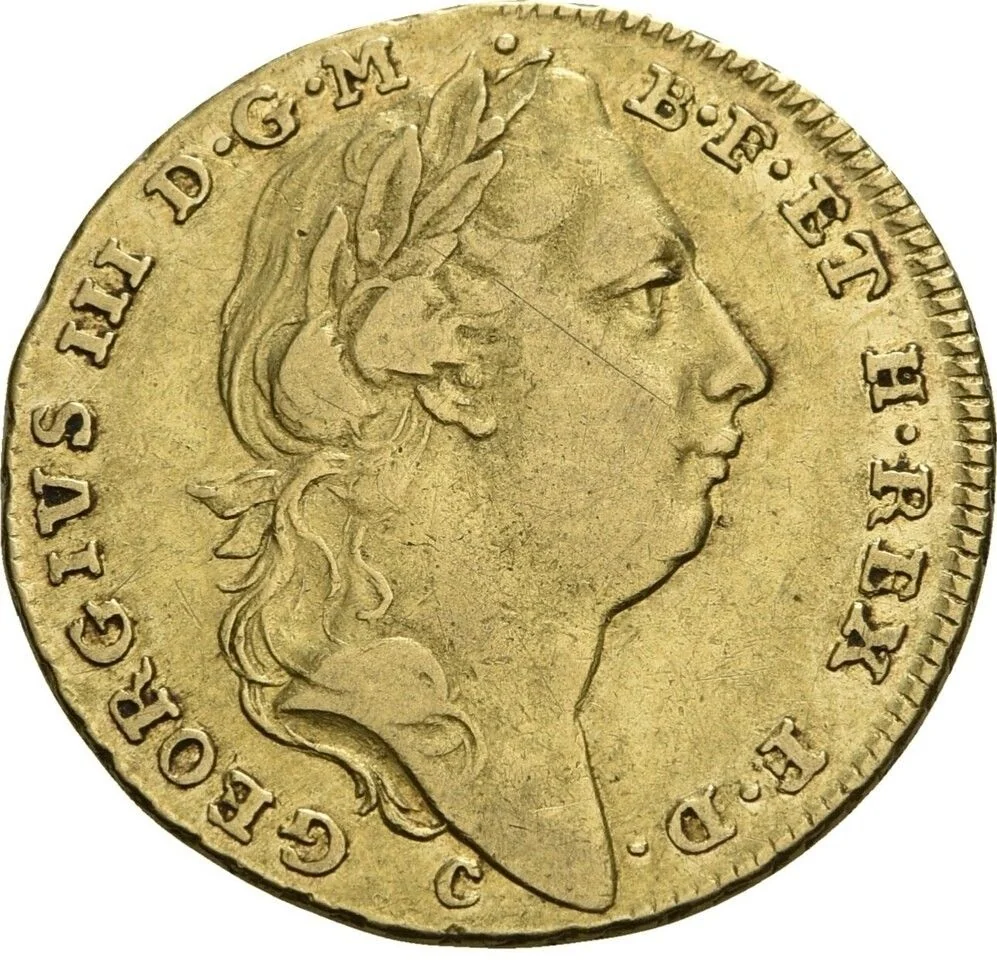
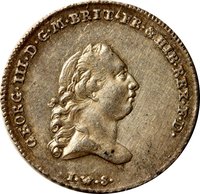
Obverse
Description:
Right bust
Inscription:
GEORGIVS III D • G • M • B • F • ET • H • REX F • D •
C
C
Script: Latin
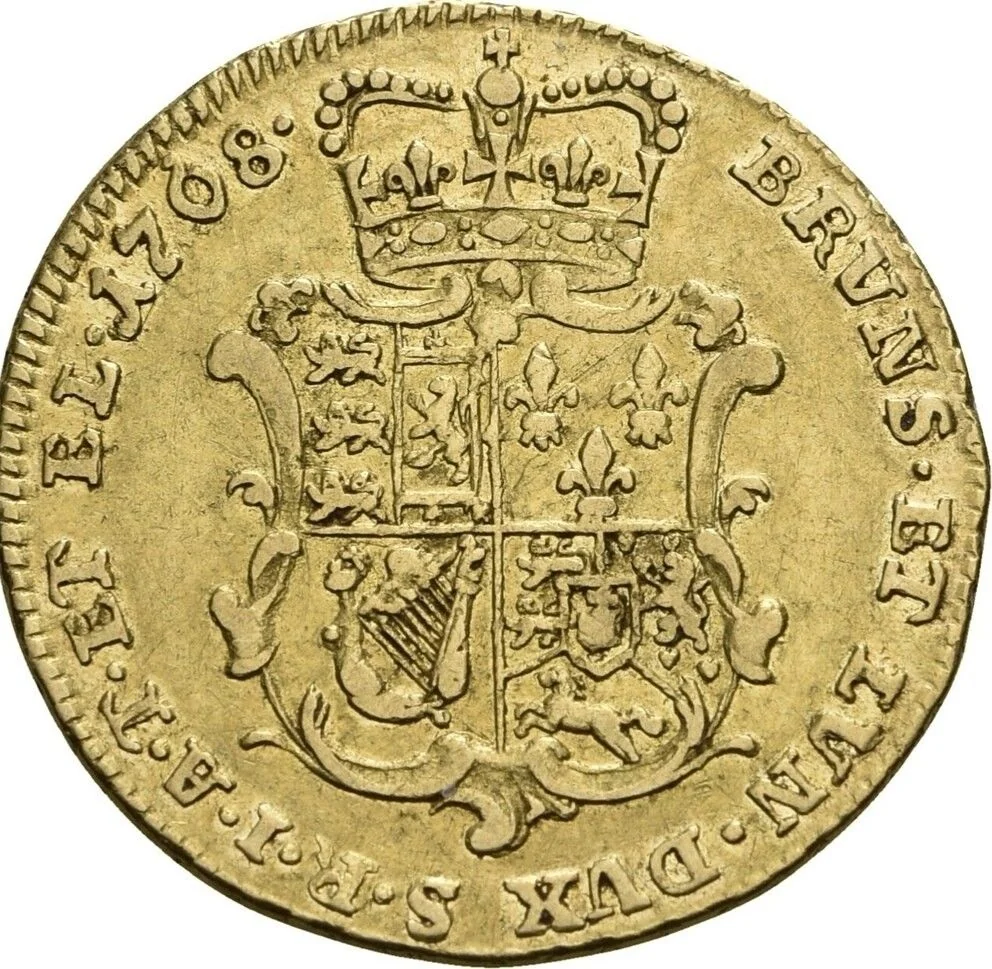
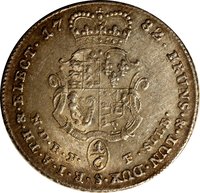
Reverse
Description:
Quartered arms on an ornate shield.
Inscription:
BRUNS • ET LUN • DUX S • R • I • A • H • ET EL • 1768 •
Script: Latin
Edge
Mints
| Name | Mark |
|---|---|
| Hanover | C |
Mintings
| Year | Mint Mark | Mintage | Quality | Collection |
|---|---|---|---|---|
| 1768 | C | — |
Historical background
In 1768, the currency situation in the Duchy of Brunswick-Lüneburg, specifically the Principality of Calenberg (with its capital in Hanover), was characterized by significant complexity and instability. The region operated within the fragmented monetary system of the Holy Roman Empire, where multiple states issued their own coinage. Hanover itself used the Reichsthaler as a standard accounting unit, but daily circulation was dominated by a plethora of physical coins: local Gute Groschen, Mariengroschen, and Pfennige, alongside a flood of foreign coins from neighboring German states and the Netherlands. This proliferation created chronic confusion in trade, as the intrinsic silver content and exchange rates between these coins varied widely.
The root of the problem lay in decades of debasement, where rulers had reduced the precious metal content in coins to finance state expenditures, particularly during the Seven Years' War (1756-1763). By 1768, the post-war economy was still recovering, and the circulating currency was a mixture of older, full-value coins and newer, inferior ones. This led to Gresham's Law in practice, where "bad money drives out good"—hoarders and merchants exported the better coins, leaving the debased currency in local circulation, which eroded public trust and hindered economic recovery.
Recognizing the crisis, the Hanoverian government under the regency for the young King George III of Great Britain (who was also Elector of Hanover) was actively working toward reform. Efforts were underway to standardize the coinage and restore its stability, culminating in the major monetary ordinance of 1768/69. This reform aimed to define a clear Kurantgeld (standard money) system based on the Reichsthaler, strictly control minting, and withdraw debased coins from circulation. Therefore, 1768 represents a pivotal year of transition from monetary disorder toward a more unified and reliable currency under state control.
The root of the problem lay in decades of debasement, where rulers had reduced the precious metal content in coins to finance state expenditures, particularly during the Seven Years' War (1756-1763). By 1768, the post-war economy was still recovering, and the circulating currency was a mixture of older, full-value coins and newer, inferior ones. This led to Gresham's Law in practice, where "bad money drives out good"—hoarders and merchants exported the better coins, leaving the debased currency in local circulation, which eroded public trust and hindered economic recovery.
Recognizing the crisis, the Hanoverian government under the regency for the young King George III of Great Britain (who was also Elector of Hanover) was actively working toward reform. Efforts were underway to standardize the coinage and restore its stability, culminating in the major monetary ordinance of 1768/69. This reform aimed to define a clear Kurantgeld (standard money) system based on the Reichsthaler, strictly control minting, and withdraw debased coins from circulation. Therefore, 1768 represents a pivotal year of transition from monetary disorder toward a more unified and reliable currency under state control.
✨ Legendary