

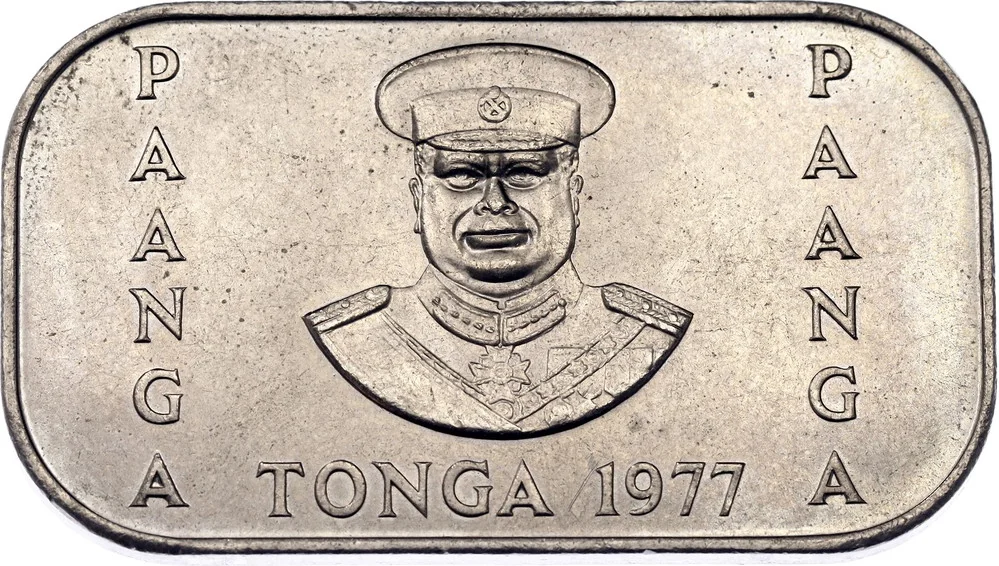
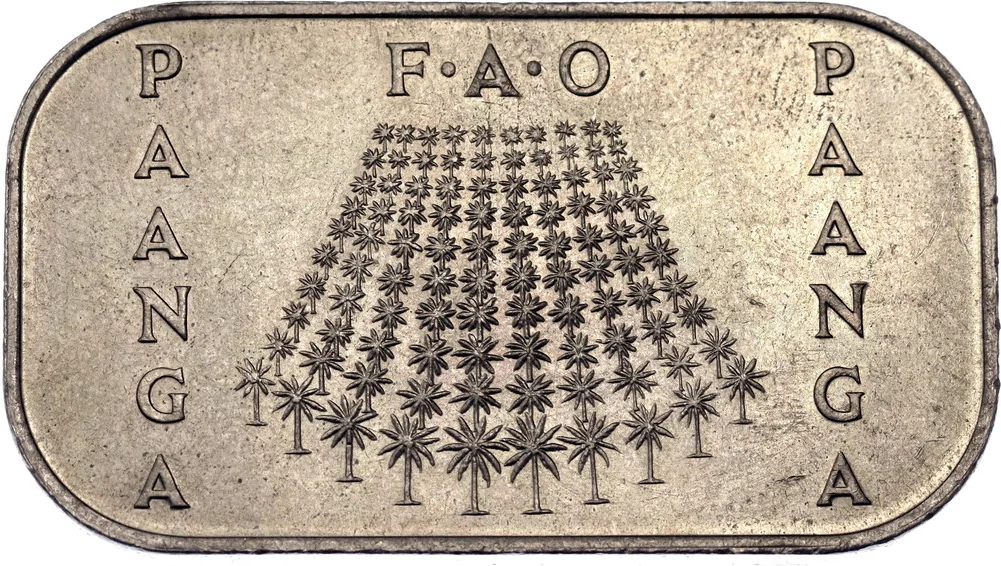
1 paʻanga – Tonga
Add to wishlist
Circulating commemorative coins
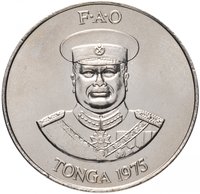
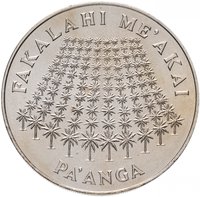
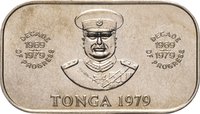
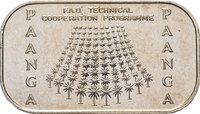
Commemoration: F.A.O.
Tonga
Context
Year: 1977
Issuer: Tonga
Ruler: Tāufaʻāhau Tupou IV
Currency:
(since 1967)
Demonetization: 1 October 2015
Total mintage: 25,000
Material
Weight: 24.3 g
Thickness: 2.72 mm
Shape: Rectangular
Composition: Copper-nickel
Technique: Milled
Alignment: Medal alignment
flip
References
KM: #
Numista: #12395
Value
Exchange value: 1 TOP
Categories
| Organization> FAO |
Mints
| Name | Mark |
|---|---|
| Royal Australian Mint | — |
Mintings
| Year | Mint Mark | Mintage | Quality | Collection |
|---|---|---|---|---|
| 1977 | — | 25,000 |
Historical background
In 1977, the Kingdom of Tonga operated under a unique and long-established currency system. The official currency was the Tongan pa'anga, introduced in 1967 to replace the Tongan pound. However, the pa'anga was not a freely floating currency; it was pegged at par to the Australian dollar (AUD). This peg was a strategic choice, reflecting Tonga's close economic and trade ties with Australia, which was a major source of imports, aid, and remittances. The currency was issued by the Tonga Board of Commissioners of Currency, and its value was effectively managed through this fixed exchange rate regime.
The economic backdrop of the mid-1970s presented significant challenges for this arrangement. Tonga, a small, developing island nation with an agricultural-based economy (heavily reliant on coconut and banana exports), was vulnerable to external shocks. The global economic turmoil following the 1973 oil crisis led to worldwide inflation and recessionary pressures. For Tonga, this meant increased costs for essential imported goods like fuel and food, contributing to a trade deficit and putting downward pressure on foreign reserves, which were crucial for maintaining the currency peg.
Despite these pressures, the pa'anga's peg to the Australian dollar remained stable throughout 1977. This stability was underpinned by conservative fiscal management and external support. The fixed exchange rate provided a measure of predictability for trade and investment, which was deemed essential for economic planning. However, the situation highlighted the inherent vulnerabilities of a small, open economy tied to a major trading partner's currency, setting the stage for future monetary policy developments, including the eventual establishment of the National Reserve Bank of Tonga in 1989 to assume greater control over monetary affairs.
The economic backdrop of the mid-1970s presented significant challenges for this arrangement. Tonga, a small, developing island nation with an agricultural-based economy (heavily reliant on coconut and banana exports), was vulnerable to external shocks. The global economic turmoil following the 1973 oil crisis led to worldwide inflation and recessionary pressures. For Tonga, this meant increased costs for essential imported goods like fuel and food, contributing to a trade deficit and putting downward pressure on foreign reserves, which were crucial for maintaining the currency peg.
Despite these pressures, the pa'anga's peg to the Australian dollar remained stable throughout 1977. This stability was underpinned by conservative fiscal management and external support. The fixed exchange rate provided a measure of predictability for trade and investment, which was deemed essential for economic planning. However, the situation highlighted the inherent vulnerabilities of a small, open economy tied to a major trading partner's currency, setting the stage for future monetary policy developments, including the eventual establishment of the National Reserve Bank of Tonga in 1989 to assume greater control over monetary affairs.
🌟 Uncommon