

2 Pfennigs – Principality of Lippe
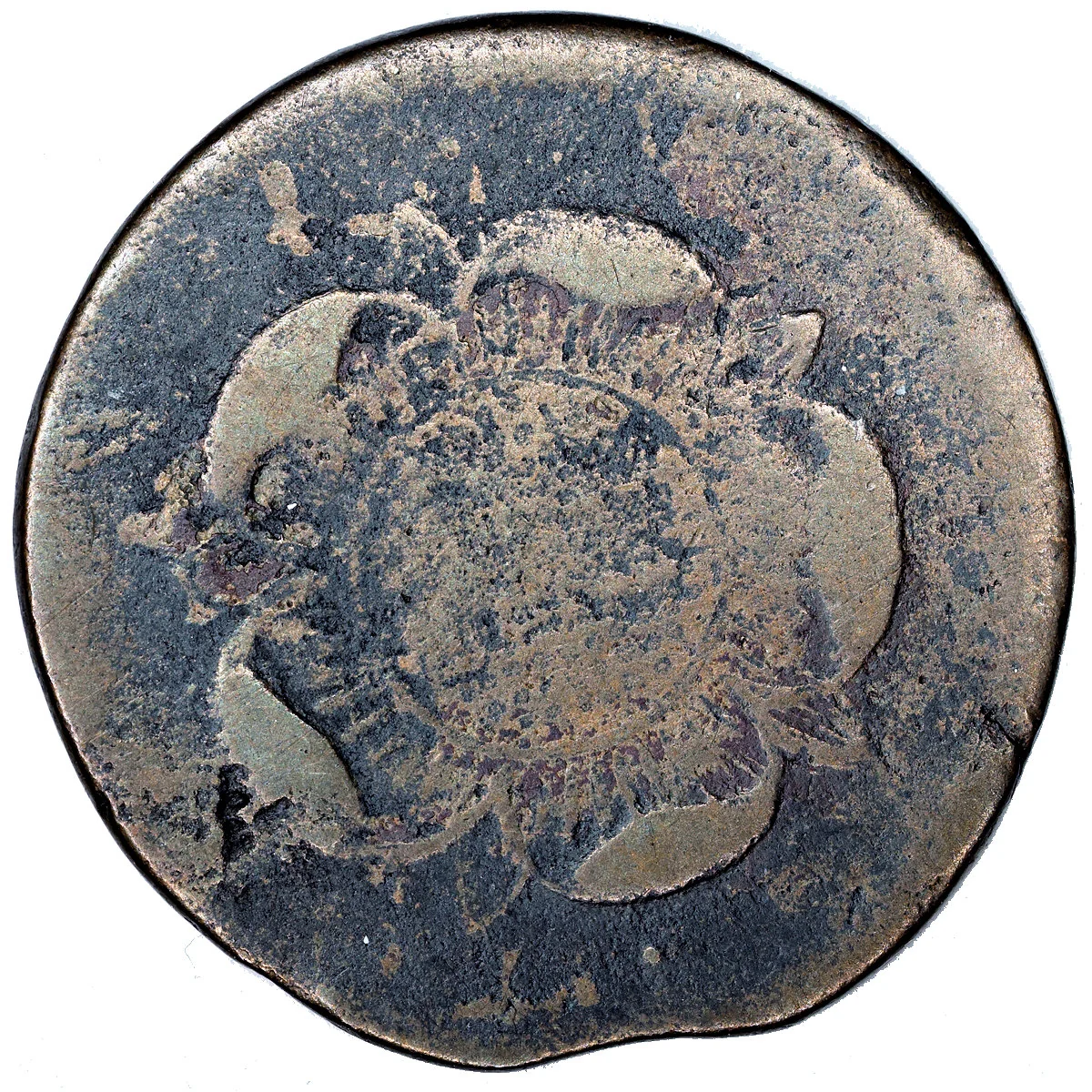
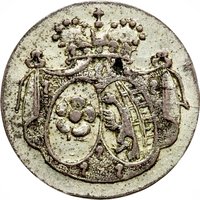
Obverse
Description:
The coat of arms of Lippe-Detmold.
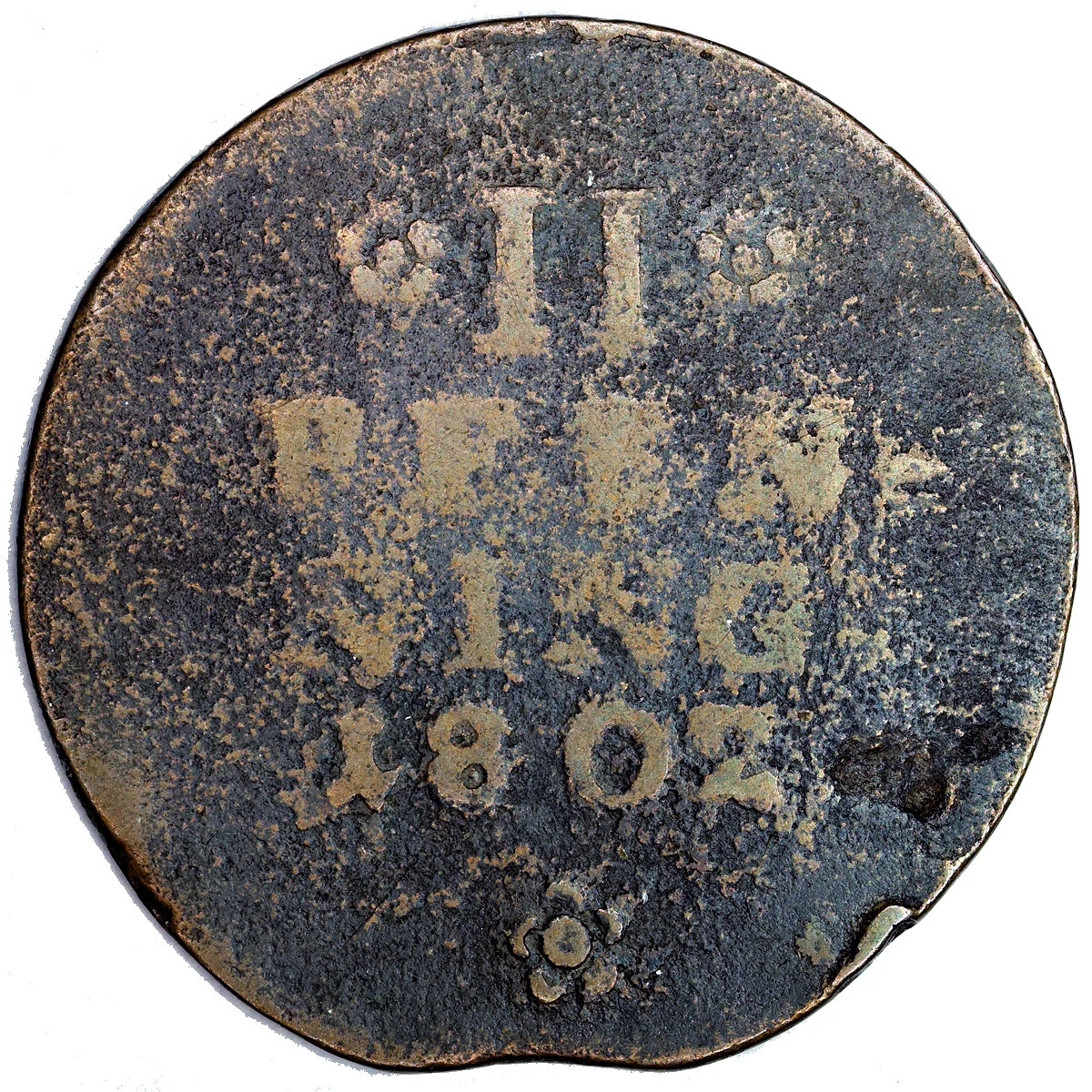
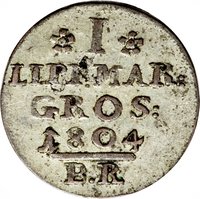
Reverse
Edge
Mints
| Name | Mark |
|---|---|
| Detmold | — |
Mintings
| Year | Mint Mark | Mintage | Quality | Collection |
|---|---|---|---|---|
| 1802 | — | 127,000 |
Historical background
In 1802, the Principality of Lippe, a small German state within the Holy Roman Empire, operated within a complex and fragmented monetary landscape. Like most territories in the Empire, it did not possess an exclusive, sovereign currency. Instead, its economy relied on a circulation of multiple coinage systems, primarily guided by the Reichsmünzfuß (Imperial Coinage Standard). The most important of these was the Reichsthaler, a large silver coin defined by a specific silver content, which served as the accounting unit for larger transactions and state finances.
However, the practical, everyday currency in Lippe was overwhelmingly the Thaler’s subsidiary coin, the Gute Groschen (Good Groschen), minted according to the regional convention of the Zinnaische Münzfuß. This standard, established by a 1667 treaty, had devalued the Groschen’s silver content, leading to chronic instability. By 1802, the system was strained, with a proliferation of older, debased, and foreign coins—particularly from neighboring states like Hanover and Brunswick—circulating alongside Lippe's own limited issues, causing confusion and facilitating fraud in market transactions.
This monetary disarray reflected Lippe’s political vulnerability on the eve of the Napoleonic upheavals. The weak enforcement of imperial monetary laws and the principality’s limited minting capacity meant it had little control over its own currency supply. The situation created significant challenges for trade and taxation, highlighting the pressing need for monetary reform—a need that would only be addressed in the following decades under the pressure of broader German mediatization and the eventual establishment of the German Customs Union.
However, the practical, everyday currency in Lippe was overwhelmingly the Thaler’s subsidiary coin, the Gute Groschen (Good Groschen), minted according to the regional convention of the Zinnaische Münzfuß. This standard, established by a 1667 treaty, had devalued the Groschen’s silver content, leading to chronic instability. By 1802, the system was strained, with a proliferation of older, debased, and foreign coins—particularly from neighboring states like Hanover and Brunswick—circulating alongside Lippe's own limited issues, causing confusion and facilitating fraud in market transactions.
This monetary disarray reflected Lippe’s political vulnerability on the eve of the Napoleonic upheavals. The weak enforcement of imperial monetary laws and the principality’s limited minting capacity meant it had little control over its own currency supply. The situation created significant challenges for trade and taxation, highlighting the pressing need for monetary reform—a need that would only be addressed in the following decades under the pressure of broader German mediatization and the eventual establishment of the German Customs Union.
💎 Extremely Rare