

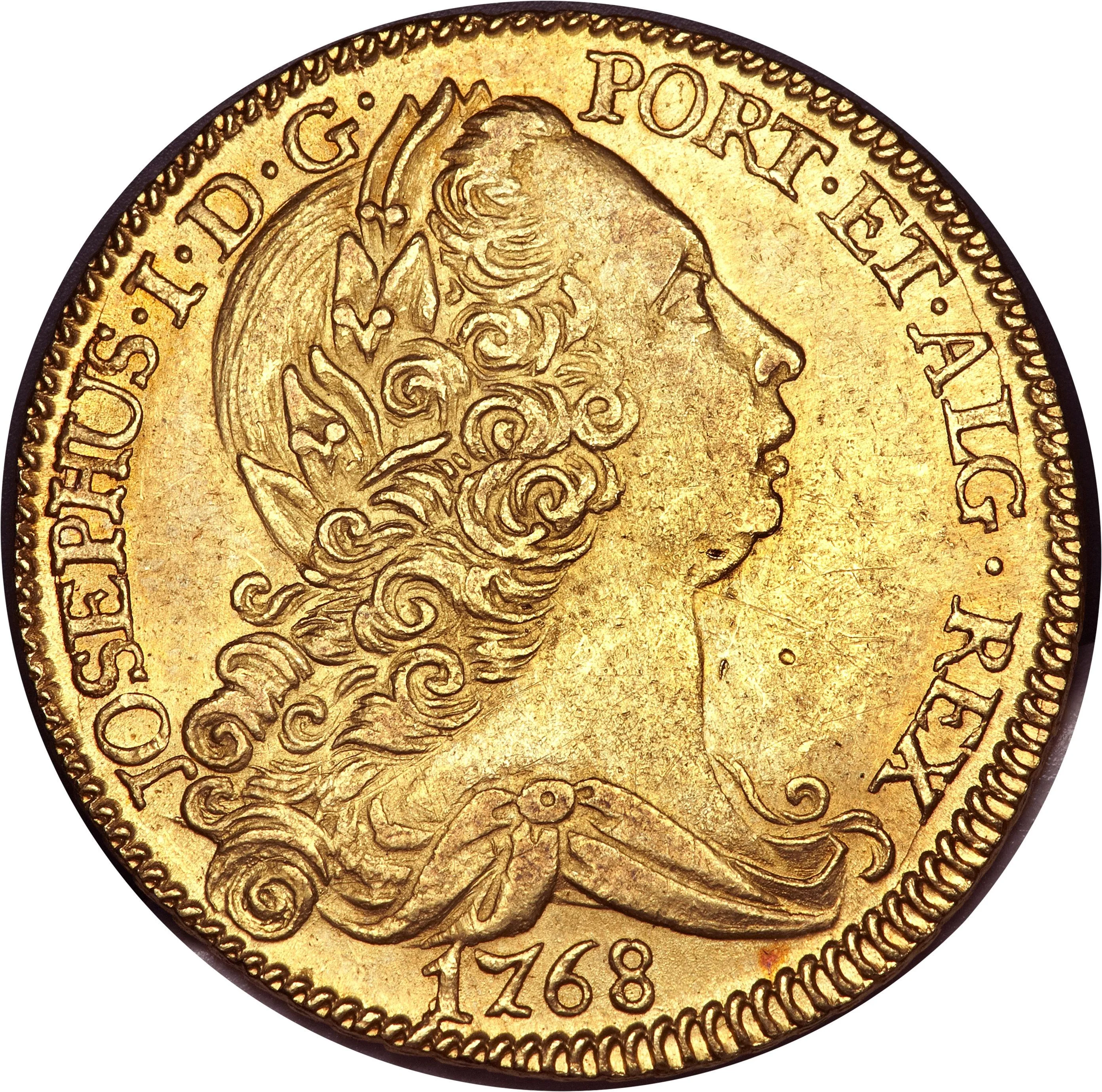
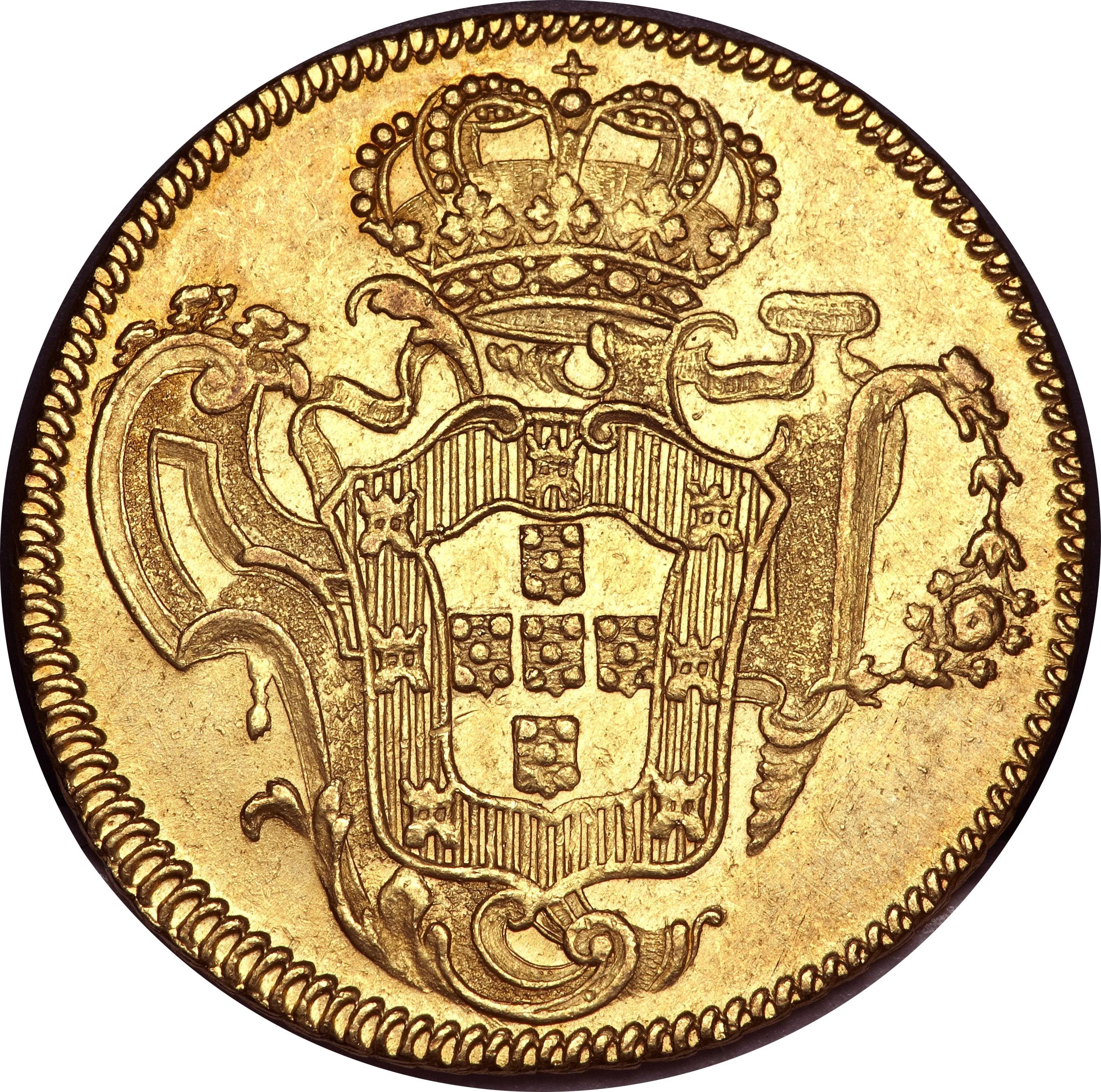
Peça – Portugal
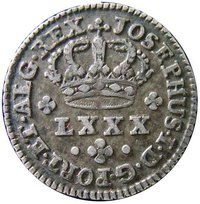
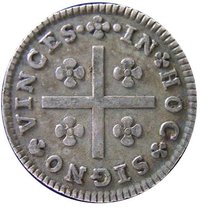
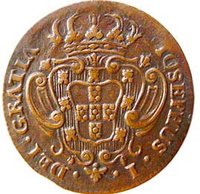
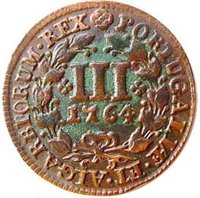
Standard circulation coins
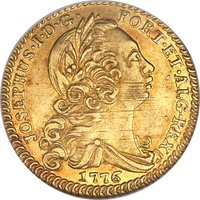
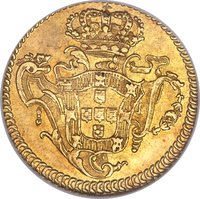
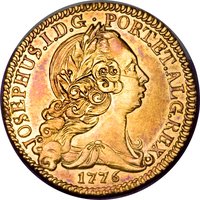
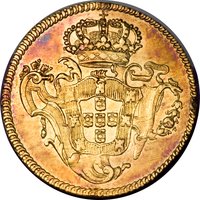
Series: Bust
Portugal
Context

Material
References
KM: #Click to copy to clipboard240
Numista: #25665
Value
Bullion value: $2186.35
Mints
| Name | Mark |
|---|---|
| Imprensa Nacional - Casa da Moeda | — |
| Bahia | B |
| Casa da Moeda do Brasil | R |
Mintings
| Year | Mint Mark | Mintage | Quality | Collection |
|---|---|---|---|---|
| 1750 | — | — | ||
| 1751 | — | — | ||
| 1751 | B | — | ||
| 1751 | R | — | ||
| 1752 | — | 104,685 | ||
| 1752 | B | — | ||
| 1752 | R | — | ||
| 1753 | — | 273,343 | ||
| 1753 | B | — | ||
| 1753 | R | — | ||
| 1754 | — | 236,324 | ||
| 1754 | B | — | ||
| 1754 | R | — | ||
| 1755 | — | 174,227 | ||
| 1755 | B | — | ||
| 1755 | R | — | ||
| 1756 | — | 200,201 | ||
| 1756 | B | — | ||
| 1756 | R | — | ||
| 1757 | — | 206,144 | ||
| 1757 | B | — | ||
| 1757 | R | — | ||
| 1758 | — | 199,787 | ||
| 1758 | B | — | ||
| 1758 | R | — | ||
| 1759 | — | 8,957 | ||
| 1759 | B | — | ||
| 1759 | R | — | ||
| 1760 | — | 364,394 | ||
| 1760 | B | — | ||
| 1760 | R | — | ||
| 1761 | — | 209,185 | ||
| 1761 | B | — | ||
| 1761 | R | — | ||
| 1762 | — | 13,388 | ||
| 1762 | B | — | ||
| 1762 | R | — | ||
| 1763 | — | — | ||
| 1763 | B | — | ||
| 1763 | R | — | ||
| 1764 | — | 441,571 | ||
| 1764 | B | — | ||
| 1764 | R | — | ||
| 1765 | B | — | ||
| 1765 | R | — | ||
| 1766 | — | 177,760 | ||
| 1766 | B | — | ||
| 1766 | R | — | ||
| 1767 | — | 5,736 | ||
| 1767 | B | — | ||
| 1767 | R | — | ||
| 1768 | — | 266,646 | ||
| 1768 | B | — | ||
| 1768 | R | — | ||
| 1769 | — | 75,731 | ||
| 1769 | B | — | ||
| 1769 | R | — | ||
| 1770 | R | — | ||
| 1770 | — | 148,311 | ||
| 1770 | B | — | ||
| 1771 | — | 100,943 | ||
| 1771 | B | — | ||
| 1771 | R | — | ||
| 1772 | — | 144,547 | ||
| 1772 | B | — | ||
| 1772 | R | — | ||
| 1773 | — | 81,394 | ||
| 1773 | B | — | ||
| 1773 | R | — | ||
| 1774 | — | 69,367 | ||
| 1774 | B | — | ||
| 1774 | R | — | ||
| 1775 | — | — | ||
| 1775 | B | — | ||
| 1775 | R | — | ||
| 1776 | — | 118,023 | ||
| 1776 | B | — | ||
| 1776 | R | — | ||
| 1777 | — | — | ||
| 1777 | B | — | ||
| 1777 | R | — |
Historical background
In 1750, Portugal's currency situation was complex and strained, reflecting the broader economic challenges of the Portuguese Empire under King José I. The primary unit was the Portuguese real (plural: réis), a currency of immense antiquity that was often physically scarce within the kingdom itself. The economy suffered from a chronic shortage of gold and silver coinage for daily transactions, leading to a reliance on a bewildering variety of older, worn coins, foreign currency (particularly Spanish and Brazilian coins), and even commodity money in some regions. This scarcity was paradoxical given the vast wealth in gold and diamonds flowing from the Brazilian colony, but much of this bullion was quickly exported to pay for manufactured goods from Britain, leaving the domestic economy under-monetized.
The root of the monetary instability lay in Portugal's deep trade deficits and its economic dependence within the Treaty of Methuen (1703) with England. The treaty cemented an exchange of Portuguese wine for English woolens, a arrangement that heavily favored British industry. The resulting trade imbalance drained gold to England, depleting the metallic reserve needed to back a stable currency. Furthermore, the monetary system was itself archaic and chaotic, with various denominations minted at different standards over centuries circulating simultaneously. The cruzado, a gold coin worth 400 réis, was a key unit of account, but its physical presence was limited.
This precarious situation set the stage for the sweeping reforms that would be implemented by the Marquis of Pombal, who became the King's chief minister in the wake of the devastating 1755 Lisbon earthquake. Recognizing that monetary disorder hindered economic development and state power, Pombal's administration would soon embark on a concerted effort to rationalize the system. His reforms included establishing mint houses, introducing new, standardized copper coinage for small transactions to alleviate the chronic shortage of small change, and ultimately creating the Portuguese escudo in the late 18th century as a more stable unit, though the real would remain the official currency until 1911. Thus, the currency situation of 1750 represents the troubled prelude to a period of significant state-led economic intervention.
The root of the monetary instability lay in Portugal's deep trade deficits and its economic dependence within the Treaty of Methuen (1703) with England. The treaty cemented an exchange of Portuguese wine for English woolens, a arrangement that heavily favored British industry. The resulting trade imbalance drained gold to England, depleting the metallic reserve needed to back a stable currency. Furthermore, the monetary system was itself archaic and chaotic, with various denominations minted at different standards over centuries circulating simultaneously. The cruzado, a gold coin worth 400 réis, was a key unit of account, but its physical presence was limited.
This precarious situation set the stage for the sweeping reforms that would be implemented by the Marquis of Pombal, who became the King's chief minister in the wake of the devastating 1755 Lisbon earthquake. Recognizing that monetary disorder hindered economic development and state power, Pombal's administration would soon embark on a concerted effort to rationalize the system. His reforms included establishing mint houses, introducing new, standardized copper coinage for small transactions to alleviate the chronic shortage of small change, and ultimately creating the Portuguese escudo in the late 18th century as a more stable unit, though the real would remain the official currency until 1911. Thus, the currency situation of 1750 represents the troubled prelude to a period of significant state-led economic intervention.
Series: Bust
💎 Extremely Rare