

Obverse
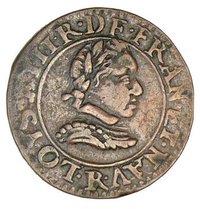
Description:
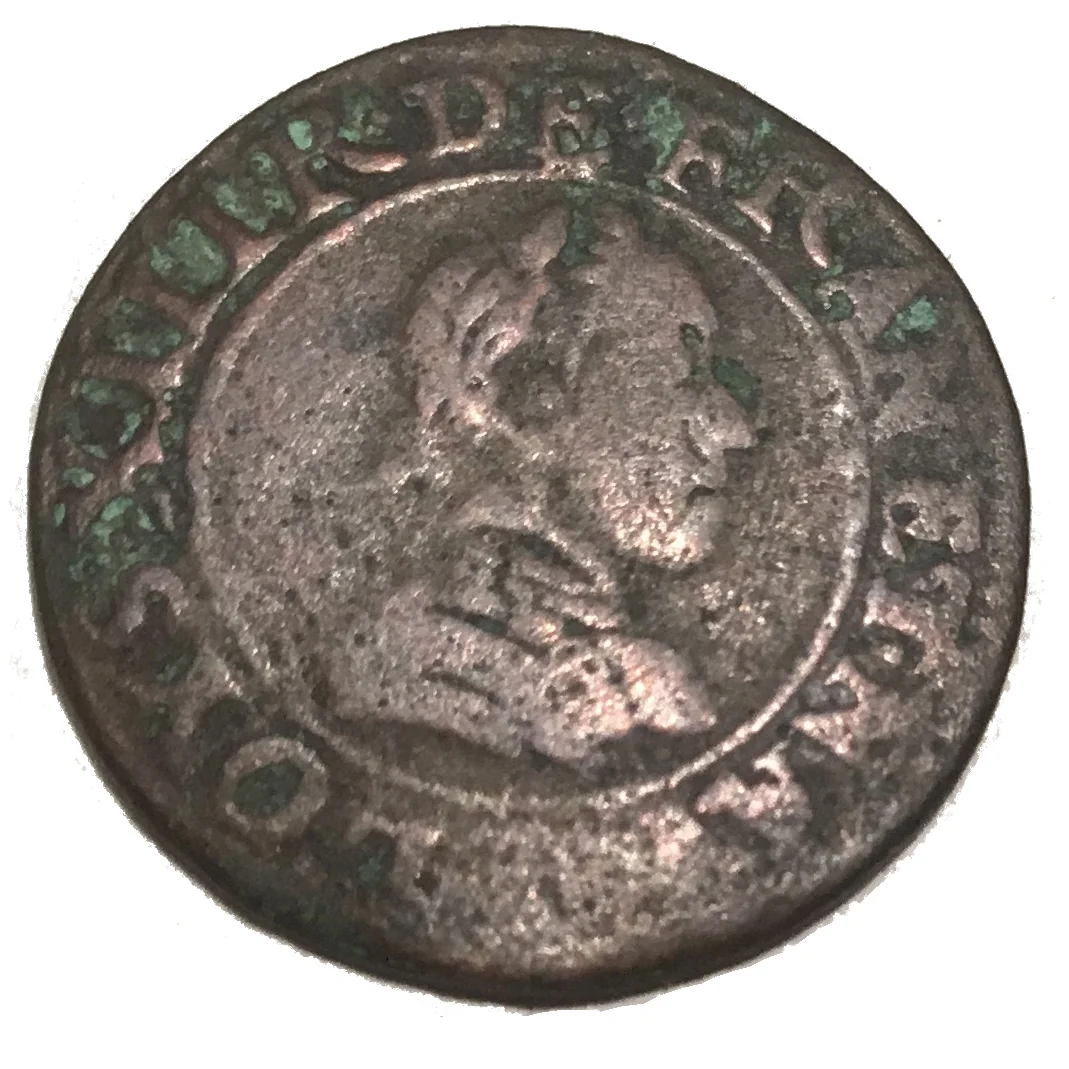
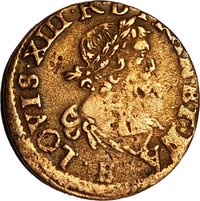
Bust right.
Inscription:
LOYS.XIII.R.DE.FRAN.ET.NAV.R. (a)
LOYS.XIII.R.DE.FRAN.ET.NV.R. (b)
LOYS.XIII.R.DE.FRAN.ET.NV.R. (b)
Script: Latin
Reverse
Edge
Mints
| Name | Mark |
|---|---|
| Villeneuve-lès-Avignon | R |
Mintings
| Year | Mint Mark | Mintage | Quality | Collection |
|---|---|---|---|---|
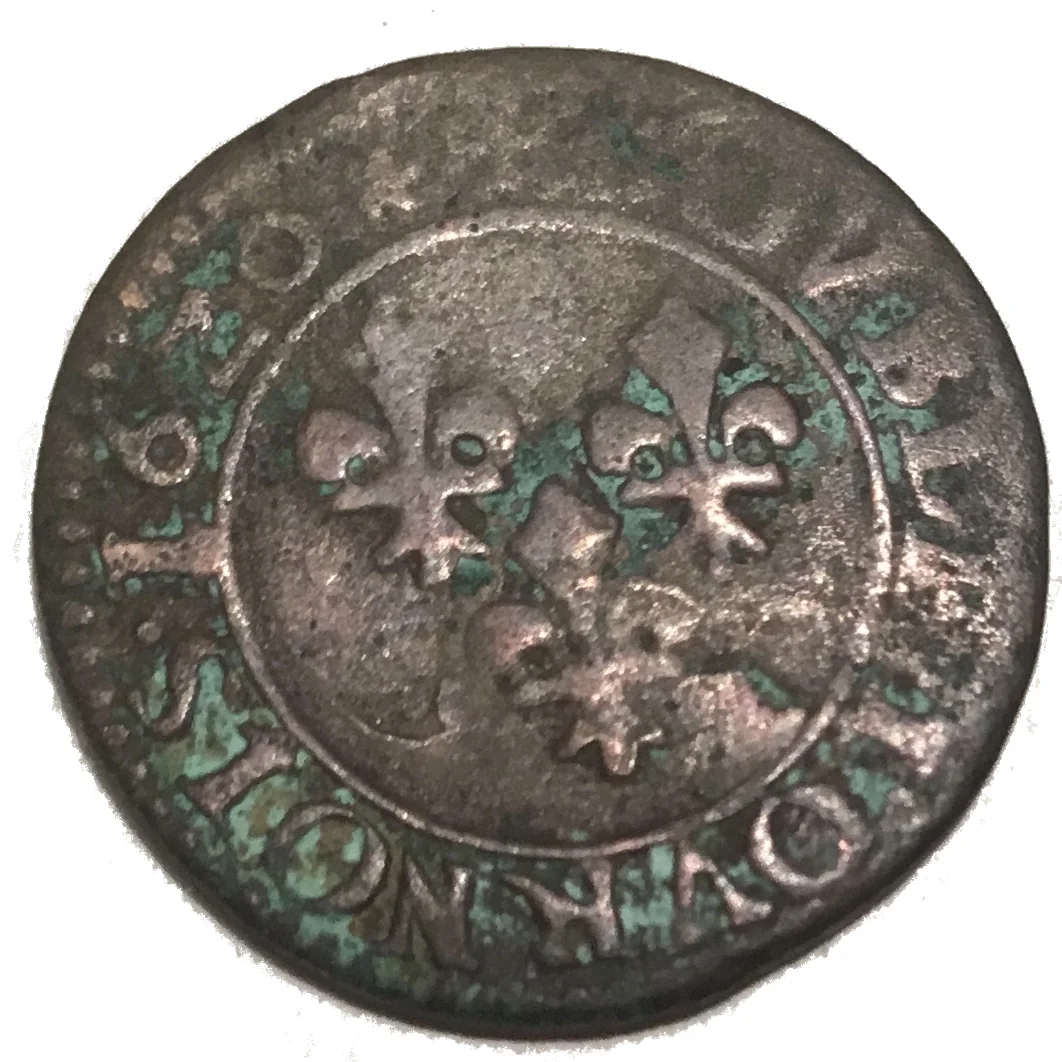
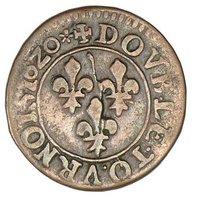
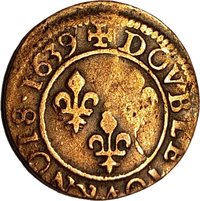
| 1620 | R | — | BU |
Historical background
In 1620, France operated under a complex and often chaotic monetary system, a legacy of medieval practices that were straining under the pressures of early modern state-building and warfare. The kingdom lacked a single, unified national currency. Instead, it used a mix of physical coins—primarily the gold écu, the silver franc (or livre tournois), and the copper sou—alongside a system of imaginary money used for accounting, the livre tournois (French pound). The critical problem was the frequent disconnect between the official face value of coins (set by royal decree) and their actual market value based on their precious metal content. This led to widespread confusion, fraud, and economic instability.
The situation was exacerbated by the fiscal demands of the Crown, deeply in debt from the Wars of Religion and now engaged in suppressing the Huguenot rebellion. To raise funds, the monarchy frequently resorted to debasement and monetary manipulation. Officials, particularly under the auspices of the surintendant des finances, would issue edicts that altered the official valuation of coins, effectively creating a forced loan from the populace by demanding taxes be paid in "strong" currency while paying state expenses in devalued coin. This practice, alongside the circulation of foreign currencies and counterfeit coins, caused severe price inflation and eroded public trust in the currency.
Consequently, France in 1620 suffered from a fractured monetary landscape where the value of money could change by royal fiat, punishing peasants, merchants, and creditors alike. This instability hindered commerce and state revenue collection, creating a persistent financial crisis. It was this very disorder that would later compel Cardinal Richelieu and, most decisively, Jean-Baptiste Colbert under Louis XIV, to pursue major reforms aimed at standardizing the coinage and stabilizing the livre as a crucial step toward absolute monarchical control and a mercantilist economy.
The situation was exacerbated by the fiscal demands of the Crown, deeply in debt from the Wars of Religion and now engaged in suppressing the Huguenot rebellion. To raise funds, the monarchy frequently resorted to debasement and monetary manipulation. Officials, particularly under the auspices of the surintendant des finances, would issue edicts that altered the official valuation of coins, effectively creating a forced loan from the populace by demanding taxes be paid in "strong" currency while paying state expenses in devalued coin. This practice, alongside the circulation of foreign currencies and counterfeit coins, caused severe price inflation and eroded public trust in the currency.
Consequently, France in 1620 suffered from a fractured monetary landscape where the value of money could change by royal fiat, punishing peasants, merchants, and creditors alike. This instability hindered commerce and state revenue collection, creating a persistent financial crisis. It was this very disorder that would later compel Cardinal Richelieu and, most decisively, Jean-Baptiste Colbert under Louis XIV, to pursue major reforms aimed at standardizing the coinage and stabilizing the livre as a crucial step toward absolute monarchical control and a mercantilist economy.
✨ Legendary