

12 deniers – French West Indies
Add to wishlist
France
Context
Year: 1767
Country: France
Issuer: French West Indies
Ruler: Louis XV
Demonetized: Yes
Total mintage: 1,600,000
Material
References
KM: #
Numista: #25049
Obverse
Description:
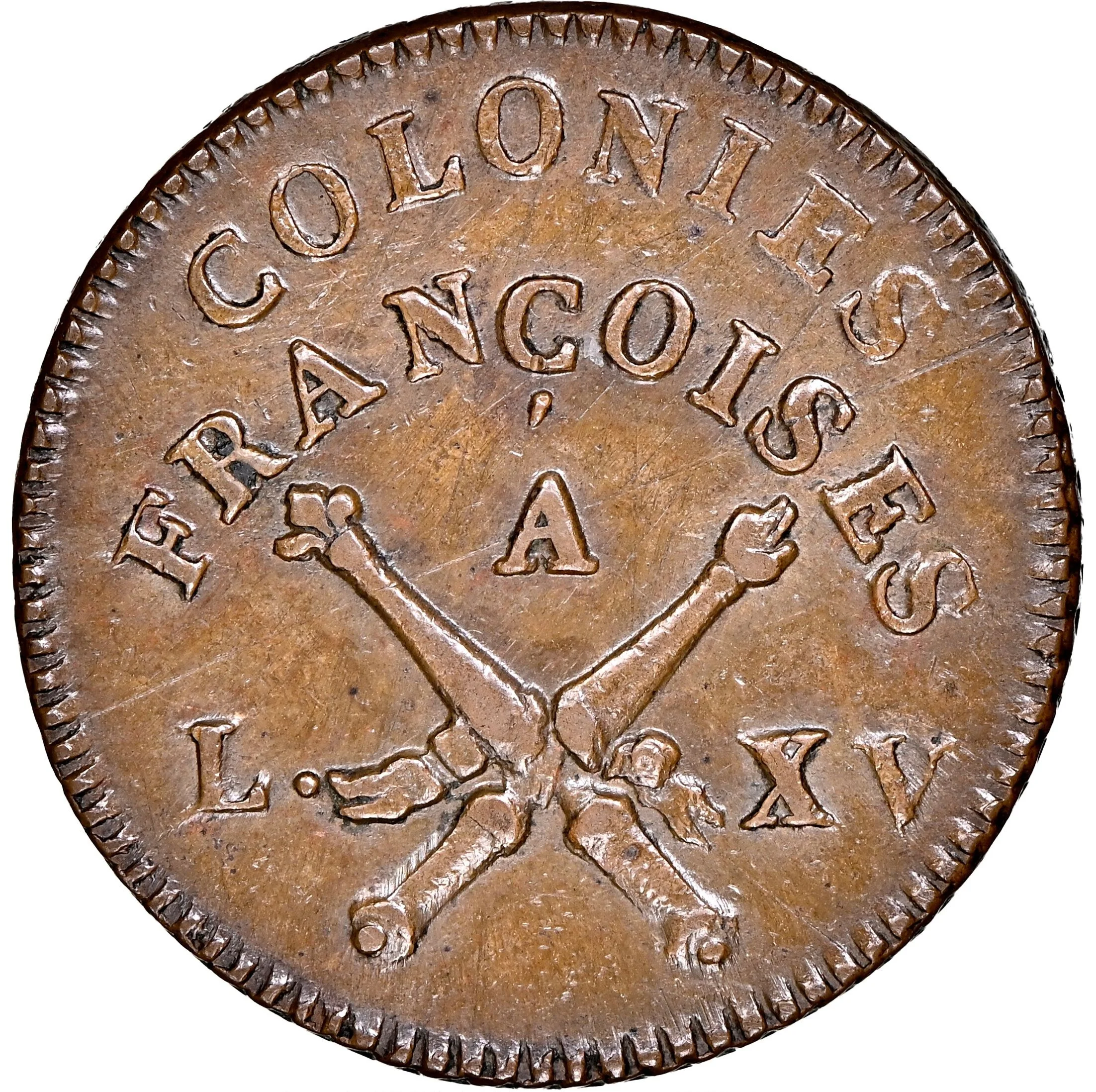
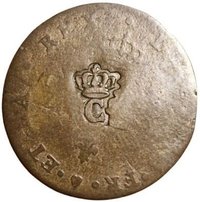
Four stripes; below, a hand of justice and a fleur-de-lis scepter crossed, ribbon-bound.
Inscription:
COLONIES
FRANÇOISES
A
L. XV
FRANÇOISES
A
L. XV
Script: Latin
Engraver: Joseph-Charles Röettiers
Reverse
Description:
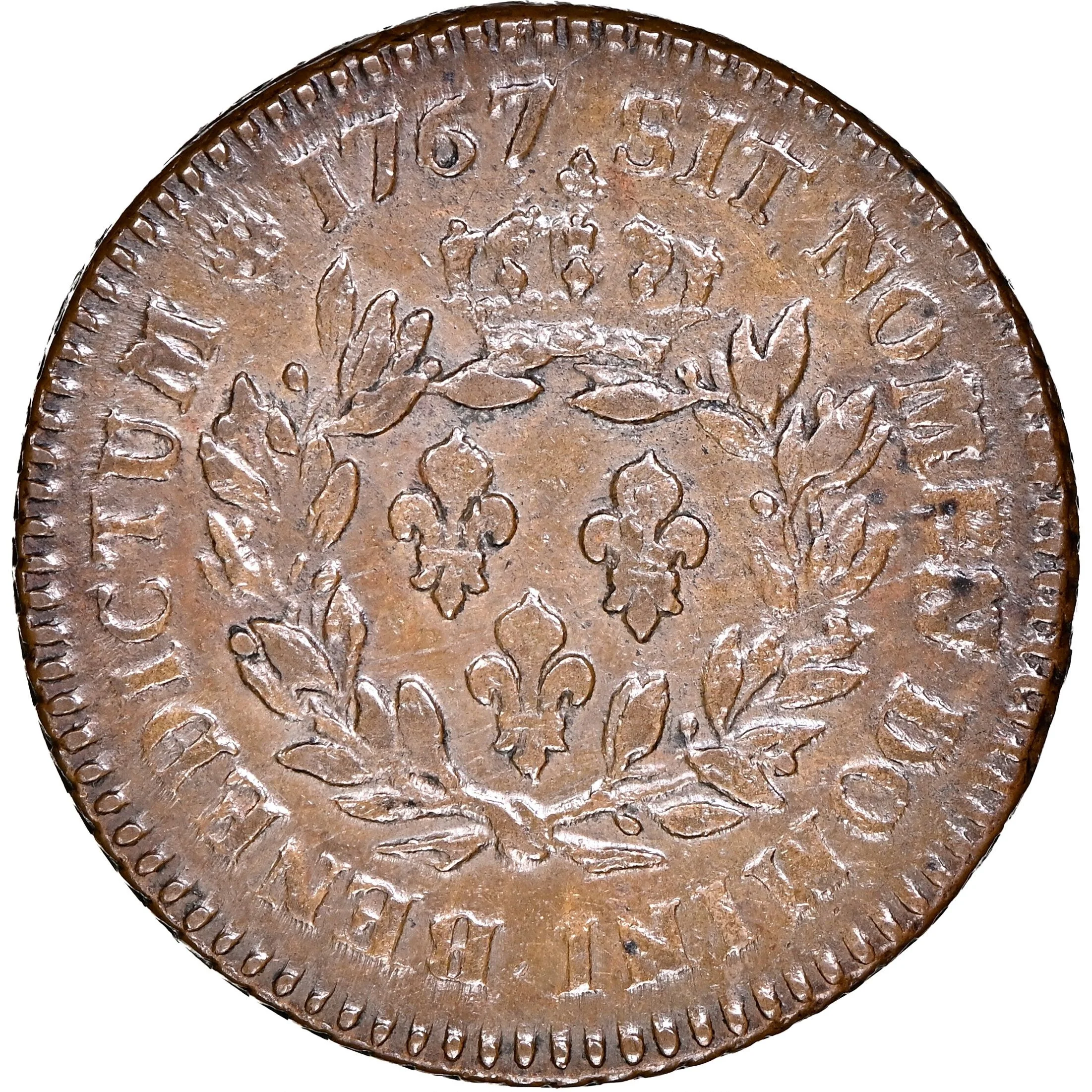
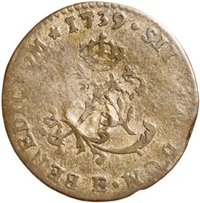
Crowned heraldic shield.
Inscription:
SIT NOMEN DOMINI BENEDICTUM
Script: Latin
Engraver: Joseph-Charles Röettiers
Edge
Plain
Mints
| Name | Mark |
|---|---|
| Monnaie de Paris | A |
Mintings
| Year | Mint Mark | Mintage | Quality | Collection |
|---|---|---|---|---|
| 1767 | A | 1,600,000 |
Historical background
In 1767, the French West Indies, primarily the sugar islands of Martinique, Guadeloupe, and Saint-Domingue, operated within a complex and chronically deficient monetary system. The official currency was the livre tournois, but the colonies suffered from a severe shortage of French specie (coinage). This was due to mercantilist policies that required the colonies to send their wealth, in the form of sugar and other commodities, back to France, creating a persistent trade imbalance that drained hard currency from the islands.
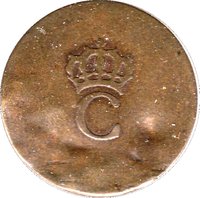
To facilitate local trade, a wide variety of foreign coins circulated illegally but necessarily, most notably Spanish silver pieces of eight (piastres) and their fractional parts. These coins were often cut or stamped to authenticate them, leading to physical degradation. The colonial administration attempted to assign these foreign coins an official value in livres through periodic ordinances, but their actual market value fluctuated based on scarcity and wear, creating confusion and instability. The situation was further complicated by the widespread use of credit notes and promissory bills among planters and merchants, as physical cash remained elusive for everyday transactions.
This monetary chaos hindered commerce and colonial administration. While the French Crown was aware of the problem, comprehensive reform was slow. The year 1767 falls within a period of ongoing struggle, where colonial authorities grappled with balancing the metropolitan demand for wealth extraction against the practical need for a functional circulating medium in the islands. The fundamental tension between the colonies' role as economic engines and their neglect in terms of financial infrastructure defined the currency situation, a instability that would persist until the French Revolution.
To facilitate local trade, a wide variety of foreign coins circulated illegally but necessarily, most notably Spanish silver pieces of eight (piastres) and their fractional parts. These coins were often cut or stamped to authenticate them, leading to physical degradation. The colonial administration attempted to assign these foreign coins an official value in livres through periodic ordinances, but their actual market value fluctuated based on scarcity and wear, creating confusion and instability. The situation was further complicated by the widespread use of credit notes and promissory bills among planters and merchants, as physical cash remained elusive for everyday transactions.
This monetary chaos hindered commerce and colonial administration. While the French Crown was aware of the problem, comprehensive reform was slow. The year 1767 falls within a period of ongoing struggle, where colonial authorities grappled with balancing the metropolitan demand for wealth extraction against the practical need for a functional circulating medium in the islands. The fundamental tension between the colonies' role as economic engines and their neglect in terms of financial infrastructure defined the currency situation, a instability that would persist until the French Revolution.
⭐ Rare