

2 Liards – Austrian Netherlands
Belgium
Context
Years: 1749–1754
Country: Belgium 
Issuer: Austrian Netherlands
Ruler: Maria Theresa
Currency:
(1744—1798)
Demonetized: Yes
Total mintage: 47,496
Material
References
KM: #Click to copy to clipboard3
Numista: #24758
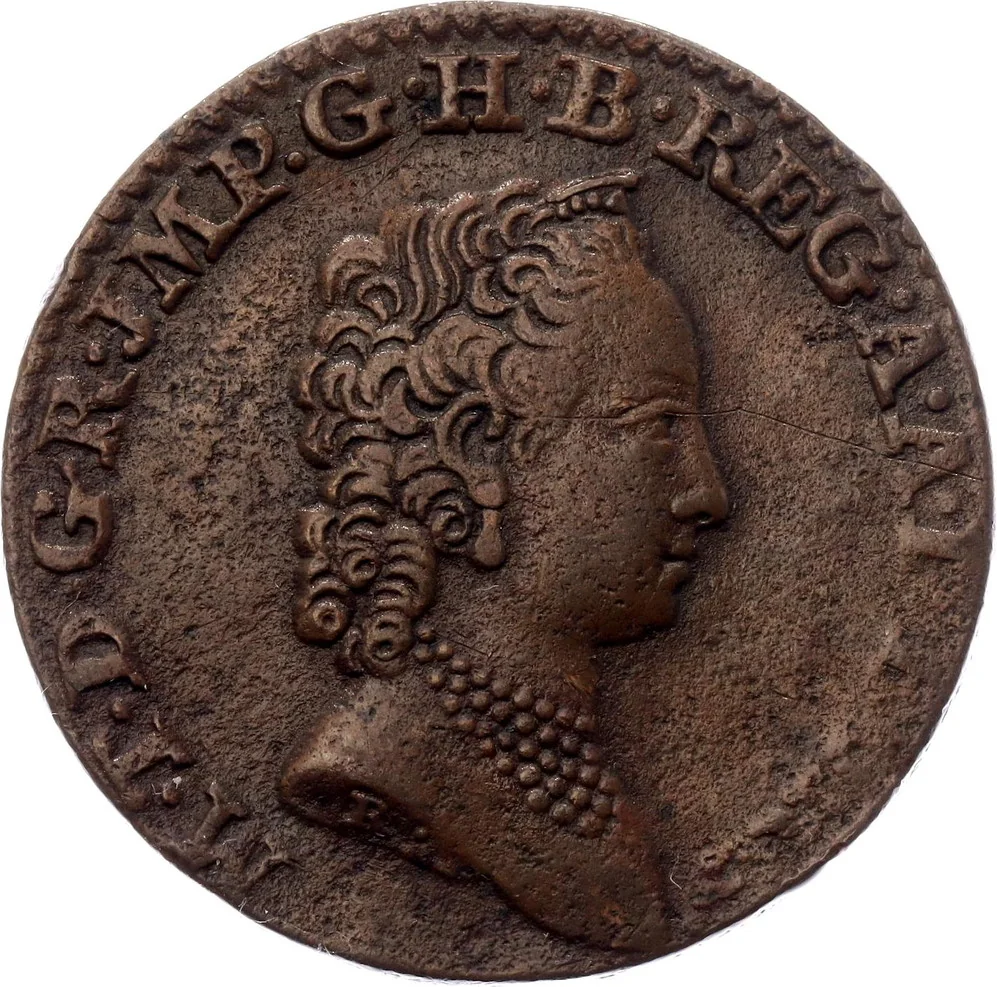
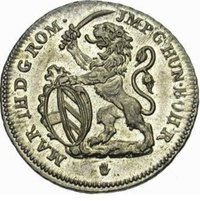
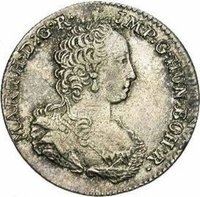
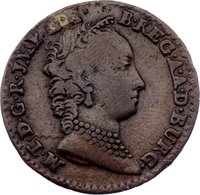
Obverse
Description:
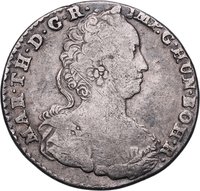
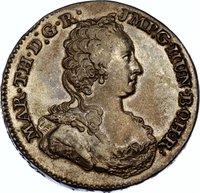
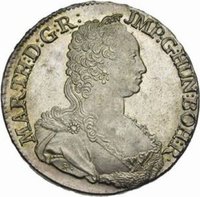
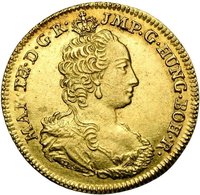
Bust with pearl necklace. Legend: "ARIA • HERESIA • EI: RATIA • ROMANORUM • IM ERATRIX • ERMANIAE • UNGARIE • OHEMIAE • RE INA • RCHIDUX • USTRIAE • UX • BUR UNDIAE"
Inscription:
M·T·D·G·R·JMP·G·H·B·REG·A·A·D·BURG·
Script: Latin
Engraver: Jacques Roëttiers
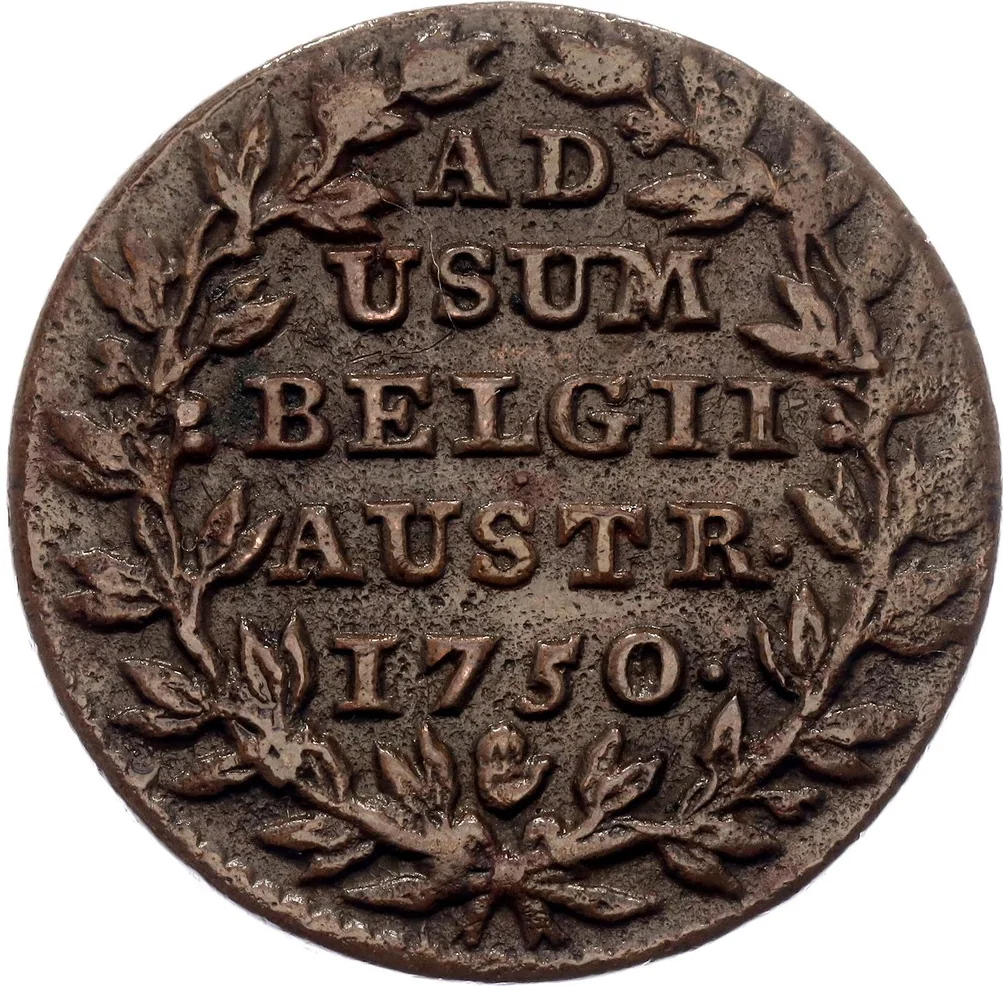
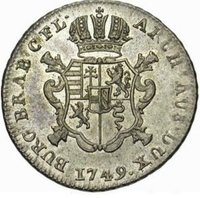
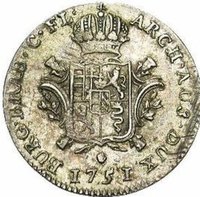
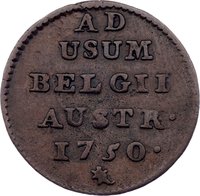
Reverse
Description:
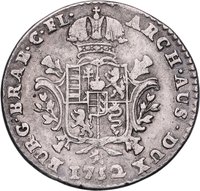
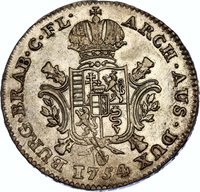
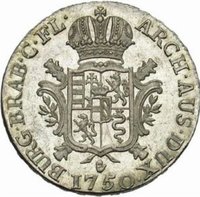
Inscription in five lines, date and mint mark within wreath.
Inscription:
AD
USUM
BELGII
AUSTR·
1750·
(marque d'atelier)
USUM
BELGII
AUSTR·
1750·
(marque d'atelier)
Script: Latin
Engraver: Jacques Roëttiers
Edge
Plain
Mintings
| Year | Mint Mark | Mintage | Quality | Collection |
|---|---|---|---|---|
| 1749 | — | — | ||
| 1750 | — | — | ||
| 1751 | — | — | ||
| 1752 | — | — | ||
| 1753 | — | — | ||
| 1754 | — | 47,496 |
Historical background
In 1749, the Austrian Netherlands found itself grappling with a severe and multifaceted currency crisis, a direct legacy of the recent War of the Austrian Succession (1740-1748). The region, a wealthy but politically contested hub of trade, had been a battleground and was occupied by French forces for much of the conflict. This military occupation had drained local resources and, critically, led to the widespread circulation of debased and foreign coins, including light-weight French liards and overvalued Prussian rixdollars. The monetary system became a chaotic patchwork of coins of uncertain weight and value, destroying public trust and hampering economic recovery.
Recognizing the urgent need to restore stability, the provincial estates, under the authority of the Habsburg governor-general, Count Charles of Lorraine, took decisive action in 1749. They passed a sweeping monetary ordinance that aimed to sweep away the corrupted currency. The legislation demonetized the suspect foreign and debased coins, effectively declaring them worthless for official transactions. In their place, it reintroduced and confirmed the full-valued, traditional silver coins of the region—such as the Patagon and the Kronenthaler—as the sole legal standard, seeking to re-anchor the economy to reliable, intrinsic value.
This bold reform, while necessary, was socially and economically painful. It effectively wiped out the value of the demonetized coins held by ordinary people, leading to significant losses for the poor and middle classes, while often benefiting wealthy speculators who had anticipated the move. Consequently, the 1749 recoinage was a pivotal but contentious step. It successfully reestablished a uniform and stable currency, laying a foundation for commercial revival, but it did so at a considerable short-term social cost, highlighting the challenges of post-war financial reconstruction in the 18th century.
Recognizing the urgent need to restore stability, the provincial estates, under the authority of the Habsburg governor-general, Count Charles of Lorraine, took decisive action in 1749. They passed a sweeping monetary ordinance that aimed to sweep away the corrupted currency. The legislation demonetized the suspect foreign and debased coins, effectively declaring them worthless for official transactions. In their place, it reintroduced and confirmed the full-valued, traditional silver coins of the region—such as the Patagon and the Kronenthaler—as the sole legal standard, seeking to re-anchor the economy to reliable, intrinsic value.
This bold reform, while necessary, was socially and economically painful. It effectively wiped out the value of the demonetized coins held by ordinary people, leading to significant losses for the poor and middle classes, while often benefiting wealthy speculators who had anticipated the move. Consequently, the 1749 recoinage was a pivotal but contentious step. It successfully reestablished a uniform and stable currency, laying a foundation for commercial revival, but it did so at a considerable short-term social cost, highlighting the challenges of post-war financial reconstruction in the 18th century.
🌱 Fairly Common