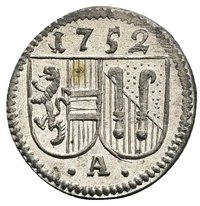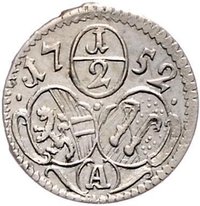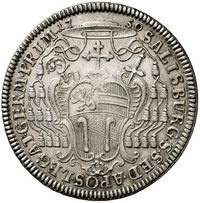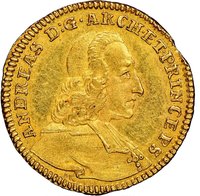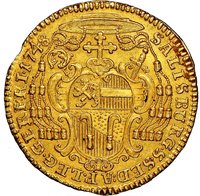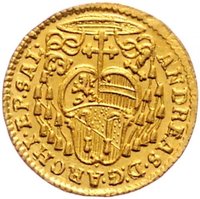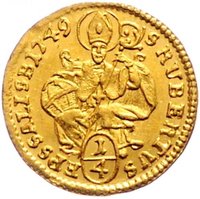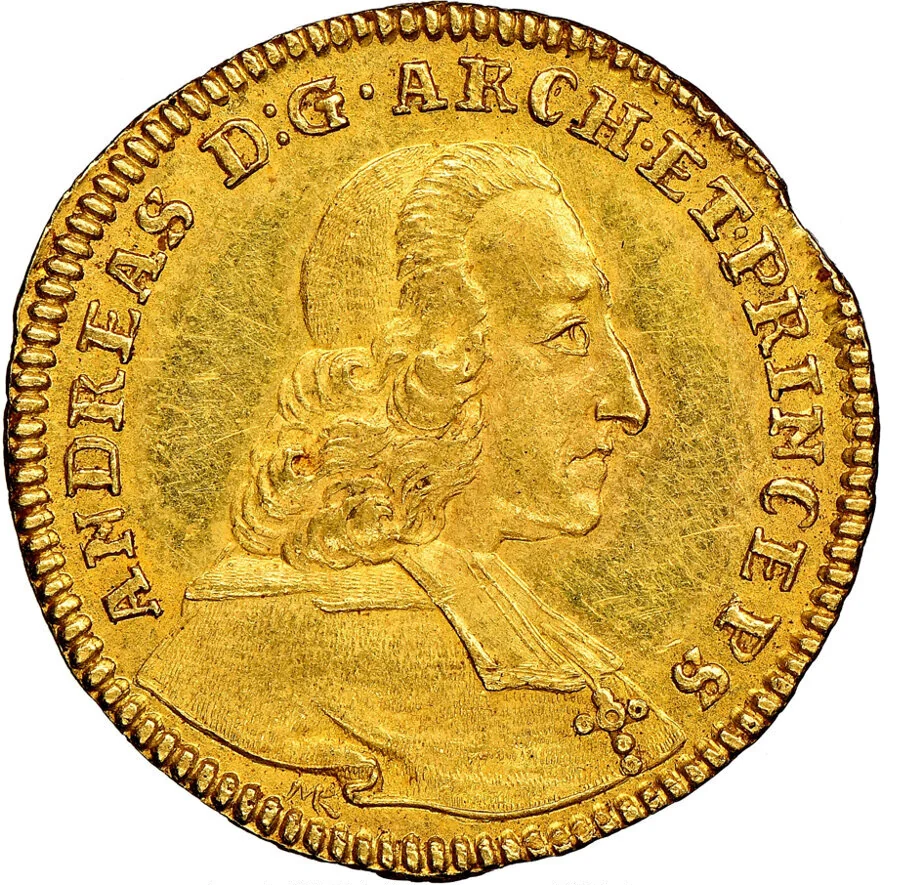
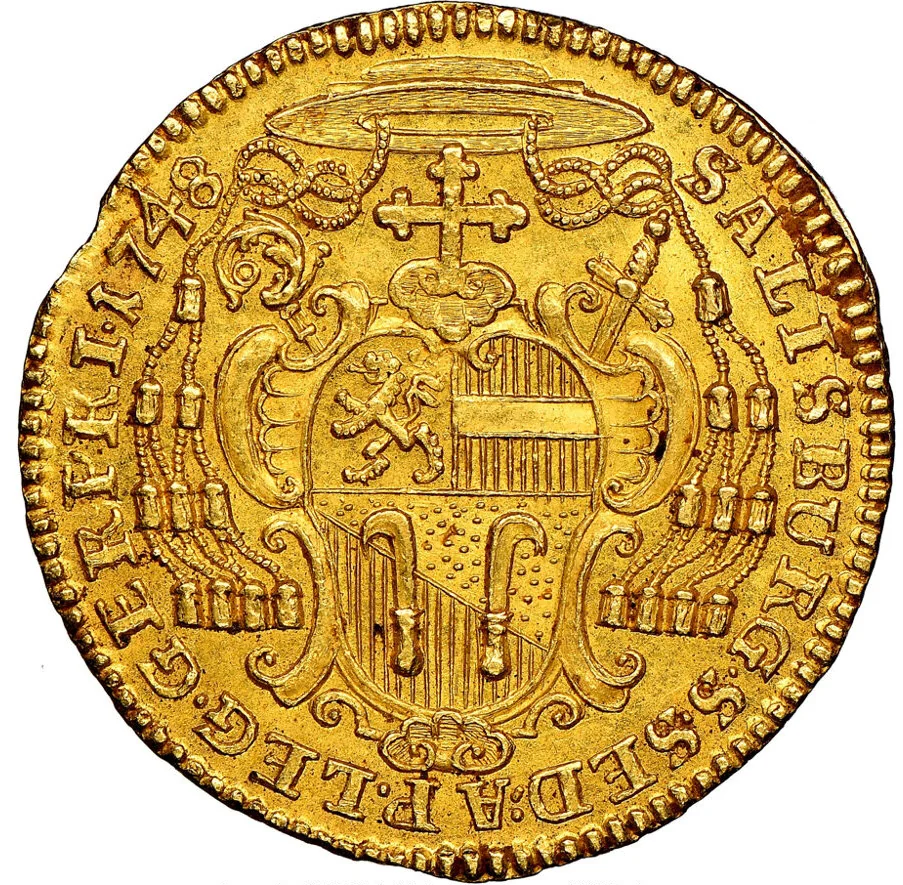
In 1748, the Prince-Archbishopric of Salzburg operated within the complex and fragmented monetary landscape of the Holy Roman Empire. The territory did not possess a unified, modern currency system of its own but instead relied on a mix of circulating coins. The most important official currency was the
Salzburg Gulden (florin), which was subdivided into 60 Kreuzer. However, the actual money in daily use included a variety of domestic and foreign coins, notably silver
Reichsthalers (Imperial Thalers) and smaller regional coinage from neighboring states like Bavaria and Austria. The value and exchange rates between these coins were officially set by the prince-archbishop's minting ordinances, but their actual worth was influenced by their precious metal content and the volatile interstate monetary agreements of the era.
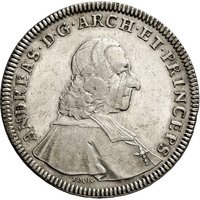
The period was marked by significant monetary instability across the Empire, and Salzburg was not immune. A key challenge was the chronic shortage of high-quality, full-weight small change (Kreuzer coins) needed for everyday transactions. This often led to the circulation of debased, worn, or counterfeit coins, causing confusion and loss of public trust. Furthermore, the economic policies of Prince-Archbishop
Andreas Jakob von Dietrichstein (reigned 1747–1753) were constrained by the substantial state debt inherited from his predecessor, Leopold Anton von Firmian. This financial pressure limited the ability to reform the currency system or issue new, stable coinage in sufficient quantities.
Consequently, the currency situation in 1748 was one of precarious balance. While the Gulden provided a nominal standard, the practical economy functioned with a heterogeneous mix of coins whose values were constantly negotiated. The authorities faced the dual task of managing sovereign debt while attempting to maintain monetary order, a difficult endeavor in a region where cross-border trade and the inflow of foreign coins made strict control nearly impossible. This environment set the stage for the more comprehensive monetary reforms that would later be attempted under Archbishop Sigismund III von Schrattenbach in the 1760s.