

1 Giulio – Ferrara
Italy
Context
Material
Diameter: 23 mm
Weight: 2.8 g
Silver weight: 2.80 g
Shape: Irregular round
Composition: Silver
Magnetic: No
Alignment: Medal alignment
flip
References
KM: #Click to copy to clipboard74
Numista: #238822
Value
Bullion value: $8.12
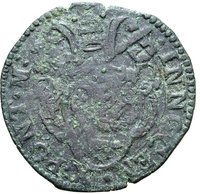
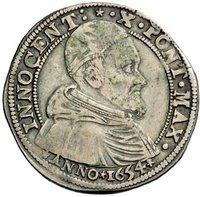
Obverse
Description:
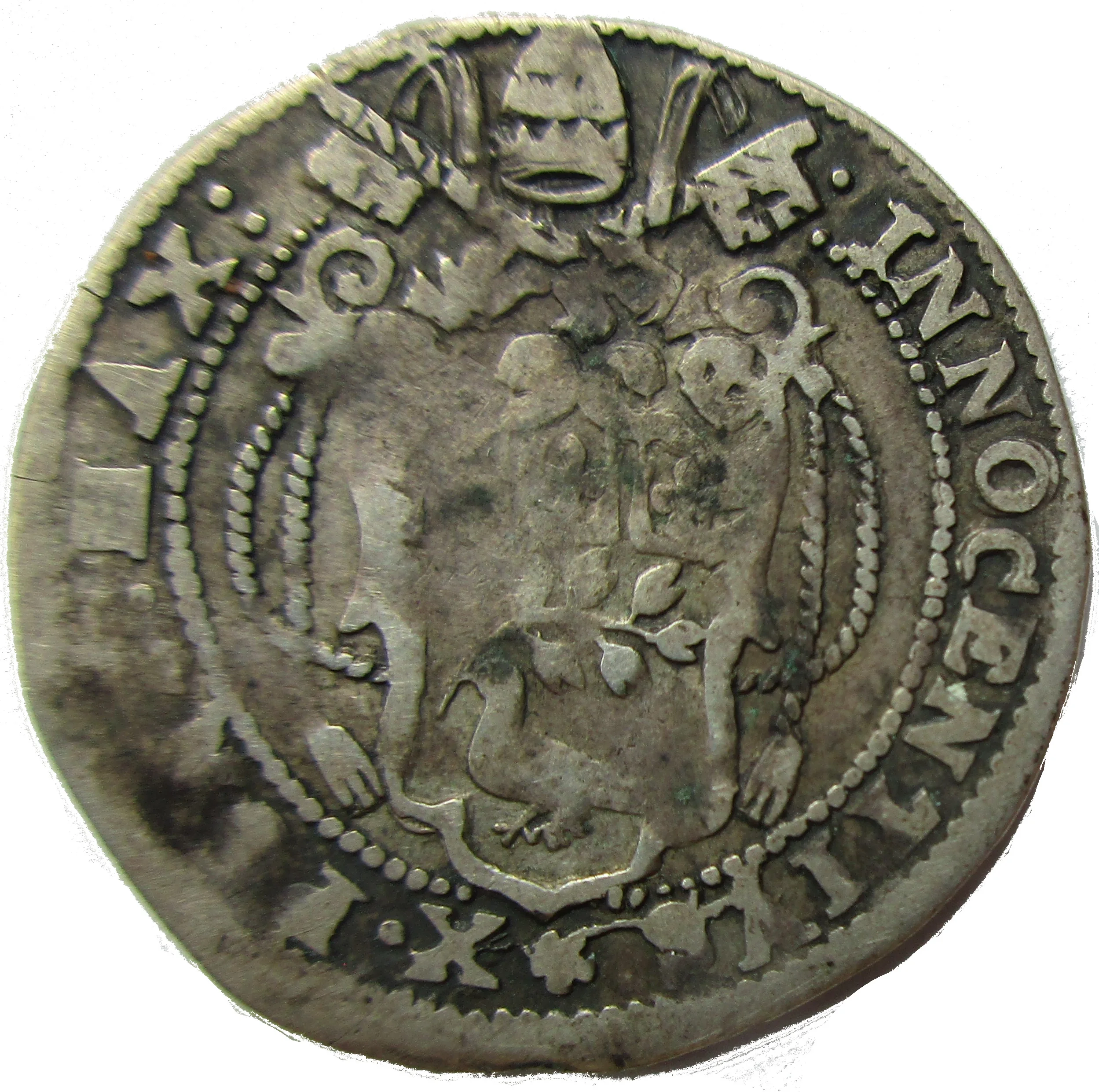
Pamphili coat of arms with papal tiara and keys within a beaded circle.
Inscription:
: INNOCENTIVS *X . PONT: MAX:
Script: Latin
Reverse
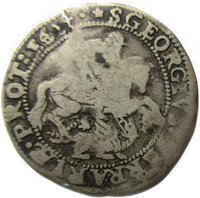
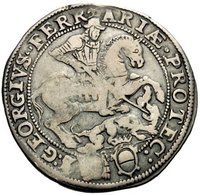
Description:
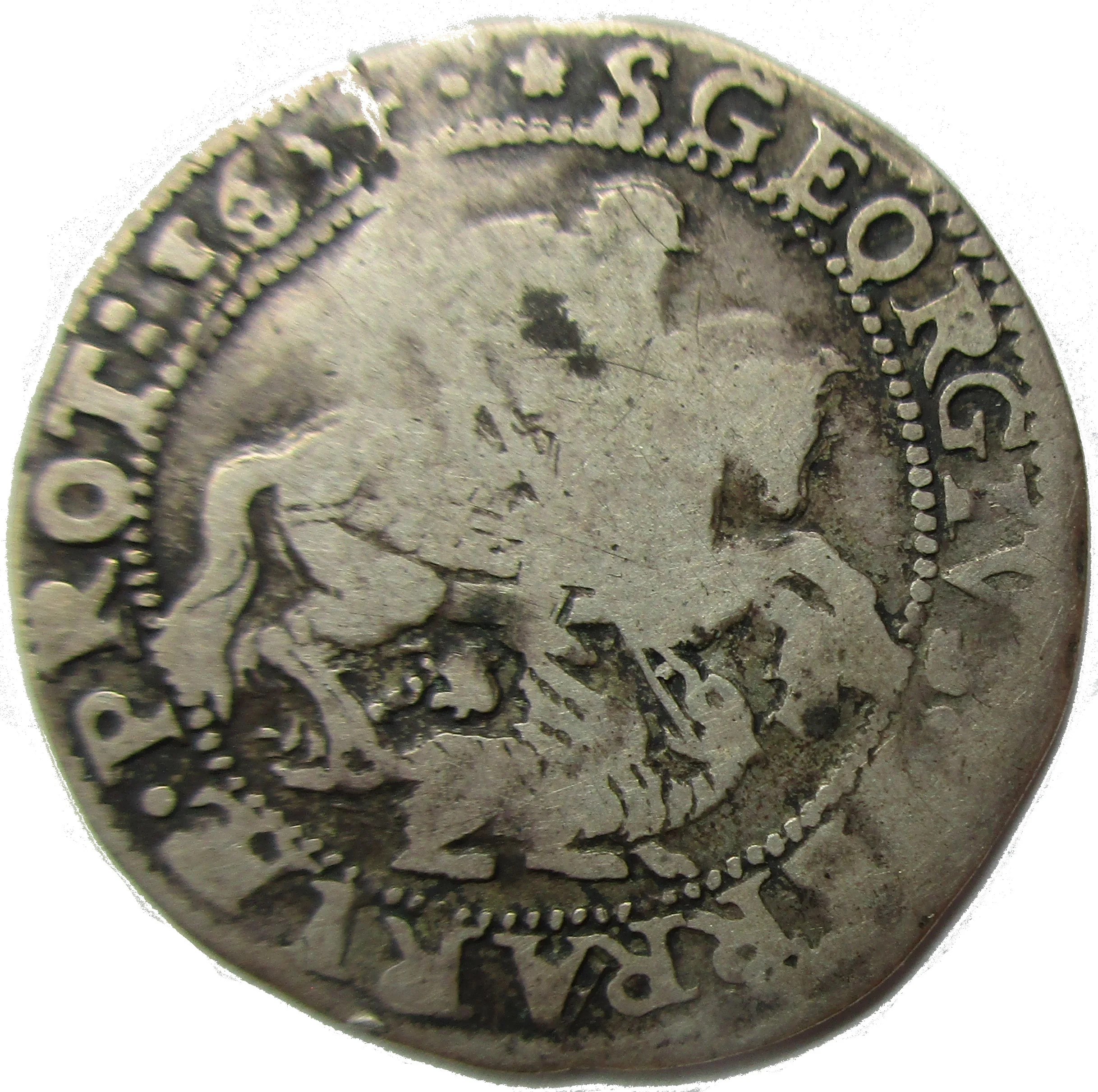
Saint George slaying the dragon.
Inscription:
+ S GEORGIVS : FERRARIAE . PROT : 1654
Script: Latin
Edge
Mints
| Name | Mark |
|---|---|
| Ferrara | — |
Mintings
| Year | Mint Mark | Mintage | Quality | Collection |
|---|---|---|---|---|
| 1654 | — | — |
Historical background
In 1654, the currency situation in the Duchy of Ferrara was one of profound instability and transition, deeply influenced by its political status. Since the death of the last Este duke, Alfonso II, in 1597, Ferrara had been incorporated directly into the Papal States after Pope Clement VIII refused to recognize the illegitimate heir, Cesare d'Este. By 1654, Ferrara had been under direct papal administration for over half a century, which meant its monetary system was no longer autonomous but integrated into, and subordinate to, the broader Papal currency zone. Local minting had ceased, and the city’s economy relied on a complex circulation of external coins, primarily papal scudi and giuli, alongside a persistent undercurrent of older, worn Este-era coins.
This integration, however, did not bring stability. The mid-17th century was a period of severe monetary crisis across Italy, characterized by widespread debasement and the proliferation of low-value billon coins (copper with a thin silver wash). Papal monetary policy, often manipulated to finance debts and conflicts, led to frequent adjustments in the value and metal content of coins. For Ferrara's merchants and populace, this meant chronic uncertainty in exchange rates, price inflation for basic goods, and the practical problem of handling multiple coinages of fluctuating intrinsic value. The infamous "crying money" (moneta che piange)—debased small change—flooded local markets, eroding trust in everyday transactions.
Consequently, economic life in Ferrara was marked by a duality: official accounts and larger transactions were conducted in silver-based scudi, while the common people contended with unstable copper coinage. This environment fostered frequent disputes, required constant official proclamations (grida) to fix exchange rates, and placed a heavy burden on the poor, who were most affected by the depreciation of small change. Thus, in 1654, Ferrara’s currency was not its own but a reflection of papal fiscal strains and the broader European "crisis of small change," creating a daily economic reality of complexity and hardship for its citizens.
This integration, however, did not bring stability. The mid-17th century was a period of severe monetary crisis across Italy, characterized by widespread debasement and the proliferation of low-value billon coins (copper with a thin silver wash). Papal monetary policy, often manipulated to finance debts and conflicts, led to frequent adjustments in the value and metal content of coins. For Ferrara's merchants and populace, this meant chronic uncertainty in exchange rates, price inflation for basic goods, and the practical problem of handling multiple coinages of fluctuating intrinsic value. The infamous "crying money" (moneta che piange)—debased small change—flooded local markets, eroding trust in everyday transactions.
Consequently, economic life in Ferrara was marked by a duality: official accounts and larger transactions were conducted in silver-based scudi, while the common people contended with unstable copper coinage. This environment fostered frequent disputes, required constant official proclamations (grida) to fix exchange rates, and placed a heavy burden on the poor, who were most affected by the depreciation of small change. Thus, in 1654, Ferrara’s currency was not its own but a reflection of papal fiscal strains and the broader European "crisis of small change," creating a daily economic reality of complexity and hardship for its citizens.
✨ Legendary