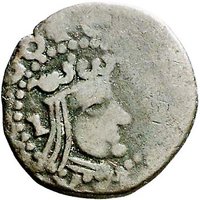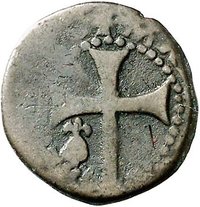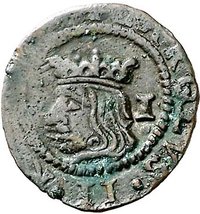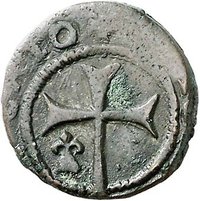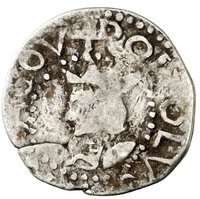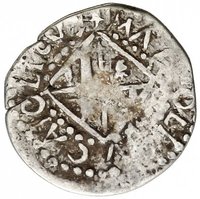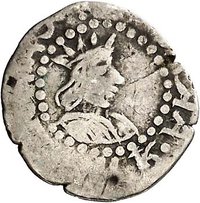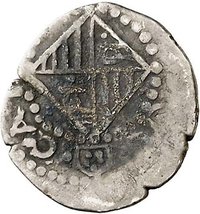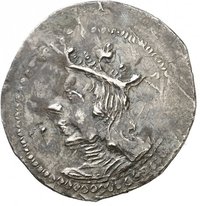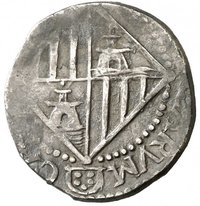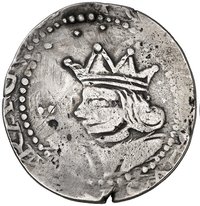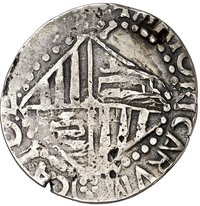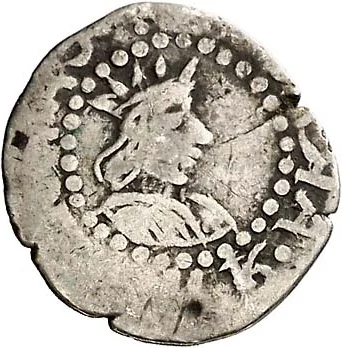
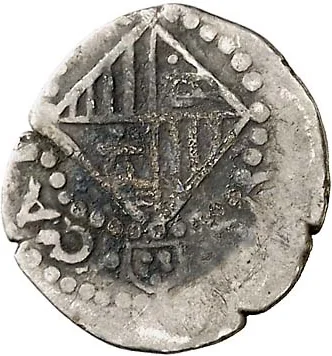
In 1665, the Kingdom of Majorca, a Mediterranean archipelago under the Spanish Crown, operated within the complex and strained monetary system of the wider Habsburg Empire. The local economy relied on a mix of coins, including the ubiquitous Spanish
real and the silver
peso, but was profoundly affected by the Crown's chronic financial crises. Decades of warfare and deficit spending had led to repeated debasements and manipulations of coinage, causing inflation and a loss of confidence in the official currency. This created a environment where the actual value of a coin often depended more on its metal content and date of mint than its face value.
Locally, this instability was exacerbated by the circulation of a wide variety of foreign coins from trade with Italy, France, and North Africa, particularly the popular
Louis d'or from France and various Italian
scudi. These foreign coins, often of more reliable silver or gold content, circulated freely alongside official Spanish issues, leading to a de facto bimetallic system where merchants and money-changers set practical exchange rates. The authorities in Palma struggled to enforce royal monetary decrees, as the necessity of commerce often overruled the official, but eroded, currency standards.
Consequently, the currency situation in 1665 was one of practical complexity and underlying weakness. While daily transactions proceeded using a familiar array of coins, the system was fragile, inflationary, and heavily influenced by external economic pressures. This monetary confusion mirrored the kingdom's broader political and economic dependence on Madrid, which was itself nearing a state of fiscal collapse, a prelude to the wider crises that would engulf the Spanish Empire later in the century.